2026 Top Petroleum Refining Catalysts for Global Buyers
Global refining markets are entering 2026 with tighter specifications, uneven crude quality, and stronger pressure to reduce emissions. These conditions make Petroleum Refining Catalysts a strategic purchasing decision, not merely a technical expense. Buyers must examine activity, selectivity, regeneration performance, and supply consistency. A catalyst that performs well in one refinery may disappoint elsewhere.
Professor James J. Spivey, a recognized catalysis researcher, has stated, “Catalysis is the heart of the petroleum refining industry.” His observation remains practical today. In a hydrocracking unit, catalyst performance can influence sulfur removal, conversion rates, hydrogen consumption, and product yield. In fluid catalytic cracking, particle strength and coke control matter beside conversion activity. Small differences become visible in operating data.
This guide examines the 2026 catalyst landscape for global buyers. It considers hydroprocessing, fluid catalytic cracking, reforming, alkylation, and emerging lower-carbon applications. It also reviews technical support, loading procedures, laboratory testing, documentation, and supplier reliability. These details often decide whether a purchase succeeds.
No catalyst wins everywhere. That is the difficult part.
Buyers should compare catalysts against actual feedstock assays, reactor conditions, turnaround schedules, and local compliance requirements. Price alone can hide higher replacement frequency, disposal costs, or unstable product quality. Verified performance data, independent testing, and transparent traceability provide stronger evidence. Still, published results are not guarantees. Refinery conditions change, and some comparisons remain imperfect. Careful evaluation is therefore essential before selecting Petroleum Refining Catalysts for a global operation.
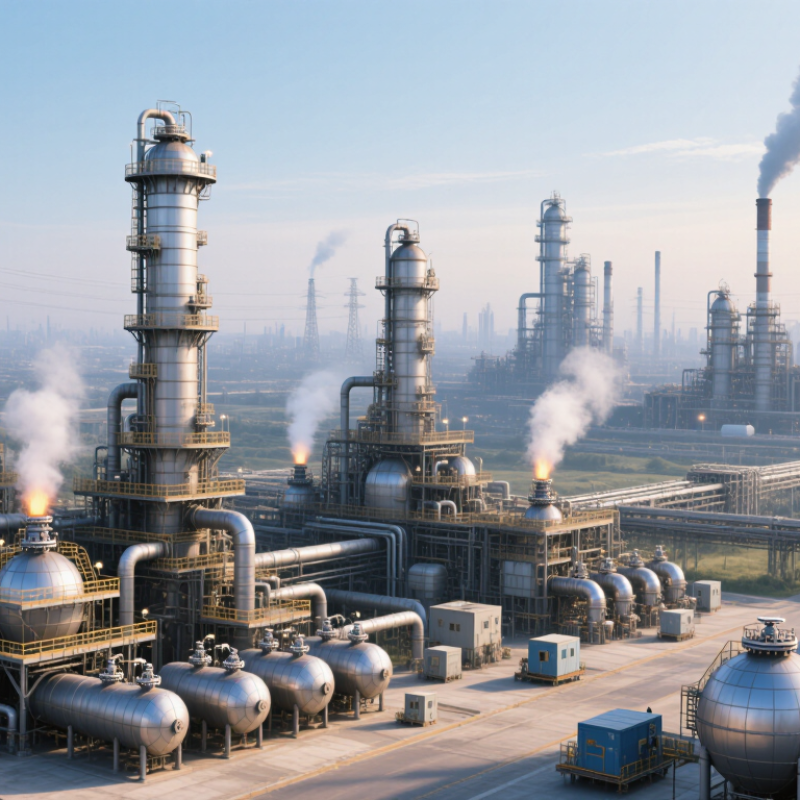
Petroleum Refining Catalysts: Definition, Types, and Core Functions
Petroleum refining catalysts are engineered materials that speed up chemical reactions without being consumed in normal operation. They help convert crude oil into cleaner, more valuable products. Common forms include porous pellets, extrudates, and fine powders. Their internal pores create large active surfaces. That structure allows heavy hydrocarbon molecules to contact reactive sites efficiently. Catalysts are not simple filters. They actively guide molecular changes inside carefully controlled reactors.
Major types include hydrotreating catalysts, fluid catalytic cracking catalysts, hydrocracking catalysts, and reforming catalysts. Hydrotreating materials remove sulfur, nitrogen, and selected metals with hydrogen. Fluid catalytic cracking catalysts break large molecules into gasoline-range products and light gases. Hydrocracking catalysts combine cracking with hydrogen addition. Reforming catalysts rearrange molecules and increase octane value. Each type requires different temperatures, pressures, feed qualities, and regeneration practices.
Core functions include bond breaking, hydrogenation, isomerization, and selective conversion. In practical refinery evaluations, engineers examine activity, selectivity, stability, pressure drop, and resistance to poisons. Feedstock changes can quickly alter performance. A catalyst may perform well in laboratory testing but struggle with high metals or unstable residues. That gap needs attention. Operators should compare fresh activity with real operating data, including temperature trends and product analysis. Catalyst selection is therefore both a technical decision and a process-control decision. Small changes in pore structure or metal loading can affect yield, emissions, and operating cost. Results are never perfectly predictable. Reliable decisions require qualified testing, documented operating history, and periodic review.
2026 Top Petroleum Refining Catalysts for Global Buyers
Petroleum Refining Catalysts: Definition, Types, and Core Functions
| Catalyst Type | Typical Active Components | Main Refining Process | Core Functions | Typical Operating Conditions | Primary Feedstock | Key Buyer Considerations |
|---|---|---|---|---|---|---|
| Fluid Catalytic Cracking Catalysts | Zeolite-containing silica-alumina particles, commonly based on faujasite-type molecular sieves with matrix and binder materials. | Fluid catalytic cracking (FCC) | Converts vacuum gas oil and heavier fractions into gasoline-range hydrocarbons, liquefied petroleum gas, light olefins, and light cycle oil. | Approximately 480–550 °C in the riser reactor; catalyst is continuously regenerated by burning deposited coke. | Vacuum gas oil, atmospheric residue, and selected hydrotreated heavy feeds. | Zeolite activity, attrition resistance, metals tolerance, coke selectivity, particle size distribution, and compatibility with the regenerator. |
| Hydrocracking Catalysts | Bifunctional systems combining acidic zeolite or amorphous aluminosilicate sites with hydrogenation metals such as nickel–molybdenum, nickel–tungsten, or noble metals. | Hydrocracking | Cracks heavy molecules while adding hydrogen, producing low-sulfur diesel, jet fuel, naphtha, and high-quality base-stock streams. | Approximately 350–450 °C and 70–200 bar hydrogen pressure, depending on unit design and conversion target. | Vacuum gas oil, deasphalted oil, coker gas oil, and other hydrotreated heavy distillates. | Conversion level, selectivity to middle distillates, nitrogen tolerance, catalyst cycle length, pressure-drop control, and regeneration or replacement strategy. |
| Hydrotreating Catalysts | Sulfided molybdenum or tungsten promoted with nickel or cobalt on high-surface-area alumina; specialized formulations may use other supports. | Hydrodesulfurization, hydrodenitrogenation, and hydrodemetallization | Removes sulfur, nitrogen, oxygen, and selected metals; saturates olefins and improves downstream feed quality. | Approximately 280–400 °C and 20–130 bar hydrogen pressure, depending on feed and product specification. | Naphtha, kerosene, diesel, gas oil, and residue streams. | Sulfur-removal performance, nitrogen resistance, metals capacity, hydrogen consumption, pressure drop, and expected operating-cycle duration. |
| Catalytic Reforming Catalysts | Platinum-based bimetallic or multimetallic catalysts on chlorided alumina, with controlled acidity and metal dispersion. | Naphtha catalytic reforming | Raises octane number by forming aromatics and isoparaffins while generating hydrogen for refinery hydrotreating units. | Approximately 480–530 °C and 5–35 bar, with hydrogen-rich recycle gas and controlled moisture and chloride levels. | Hydrotreated straight-run naphtha rich in paraffins and naphthenes. | Octane uplift, hydrogen yield, coke formation, chloride management, regeneration frequency, and sensitivity to sulfur and nitrogen contaminants. |
| Alkylation Catalysts and Catalytic Systems | Strong liquid acids such as sulfuric acid or hydrofluoric acid; some emerging systems use solid-acid or ionic-liquid approaches. | Isobutane–olefin alkylation | Produces highly branched, high-octane alkylate with very low sulfur and no aromatics or olefins. | Usually low-temperature liquid-phase operation; sulfuric-acid processes commonly operate near 0–15 °C, while hydrofluoric-acid processes operate at higher temperatures. | Isobutane and light olefins, mainly propylene and butylenes from FCC or steam-cracking-related streams. | Acid consumption, feed purity, corrosion control, safety systems, refrigeration demand, and product octane and vapor-pressure targets. |
| Isomerization Catalysts | Chlorided alumina with a platinum function, sulfated metal oxides, or zeolite-based bifunctional formulations. | Light naphtha isomerization | Rearranges straight-chain C5–C6 paraffins into branched isomers, increasing octane without significant aromatics formation. | Approximately 120–250 °C, with hydrogen recycle for metal-containing formulations and very low sulfur and water levels. | Hydrotreated light straight-run naphtha containing pentanes and hexanes. | Water and sulfur sensitivity, chloride balance, octane improvement, catalyst stability, and feed pretreatment requirements. |
| Olefins Oligomerization Catalysts | Solid phosphoric acid, zeolite, or other solid-acid catalyst systems. | Oligomerization of light olefins | Combines propylene and butylenes into larger hydrocarbons suitable for gasoline blending, distillate production, or specialty feedstocks. | Approximately 150–300 °C and moderate-to-high pressure, depending on the catalyst and desired product distribution. | FCC light olefins, refinery off-gases, and selected petrochemical olefin streams. | Product boiling range, acidity, water tolerance, pressure drop, catalyst life, and control of branching and secondary reactions. |
| Sulfur Recovery Catalysts | Alumina or titania-supported catalysts containing active metal oxides or modified catalytic formulations. | Claus sulfur recovery and tail-gas treatment | Converts hydrogen sulfide into elemental sulfur and supports the reduction of sulfur compounds in tail gas. | Claus catalytic stages commonly operate at approximately 200–350 °C; exact conditions depend on sulfur condensation control. | Acid gas from amine treating, sour-water stripping, and refinery desulfurization units. | Resistance to thermal aging, fouling, sulfation, water effects, carbon deposition, and compliance with sulfur-emission limits. |
| Hydrogen Production Reforming Catalysts | Nickel-based catalysts supported on calcium aluminate, magnesium aluminate, or related refractory materials. | Steam methane reforming and refinery hydrogen generation | Converts natural gas or light hydrocarbons with steam into synthesis gas, followed by water-gas shift conversion to increase hydrogen production. | Primary reforming commonly occurs around 750–950 °C; downstream shift catalysts operate at substantially lower temperatures. | Natural gas, refinery fuel gas, LPG, or light naphtha after sulfur removal. | Coking resistance, sulfur tolerance, thermal stability, pressure-drop management, tube-temperature uniformity, and hydrogen yield. |
Note: Operating ranges are representative industry ranges rather than universal specifications. Actual catalyst selection depends on feed composition, unit configuration, product targets, hydrogen availability, contaminant levels, emissions requirements, and regeneration or replacement practices.
How Refining Catalysts Support Key Conversion and Treatment Processes
Petroleum refining catalysts turn heavy, contaminated feedstocks into cleaner, higher-value products. In fluid catalytic cracking, zeolite-based catalysts split vacuum gas oil into gasoline-range molecules and light olefins. Hydroprocessing catalysts, commonly containing nickel, cobalt, or molybdenum, remove sulfur and nitrogen under hydrogen pressure. Reforming catalysts increase octane and generate hydrogen for nearby treatment units. Small formulation choices matter.
The International Energy Agency’s Oil 2024 report projects global oil demand to reach 105.4 million barrels per day by 2029. It also expects refining capacity to expand by about 3.3 million barrels per day through 2030. This may intensify competition between refineries. Catalyst activity, regeneration stability, and tolerance to metals can protect margins when feedstock quality changes. OPEC’s World Oil Outlook 2024 also highlights continued demand for cleaner fuels and more complex conversion capacity. That pressure makes sulfur removal, residue upgrading, and hydrogen efficiency increasingly important.
Real operating data should guide procurement. A catalyst that performs well in a laboratory may struggle with high vanadium, unstable feed, or limited reactor temperature. It happens. Buyers should compare conversion, pressure drop, cycle length, coke yield, and product sulfur under matching conditions. Carbon emissions also deserve closer measurement, although many purchasing evaluations still treat them as secondary. The better question is not “Which catalyst is strongest?” It is “Which formulation remains reliable in this refinery’s actual feed and operating window?”
2026 Top Petroleum Refining Catalysts for Global Buyers
How Refining Catalysts Support Key Conversion and Treatment Processes
The chart shows representative operating-temperature ranges for widely used refinery catalyst families. Fluid catalytic cracking and catalytic reforming support conversion and octane improvement, while hydrotreating and hydrocracking remove sulfur and nitrogen and upgrade heavier fractions. Actual conditions vary with feedstock, catalyst formulation, reactor design, and product specifications.
Temperature ranges are general industry reference ranges, not product specifications.
2026 Advances in Catalyst Formulations, Performance, and Sustainability
In 2026, petroleum refining catalysts are being redesigned around efficiency, feedstock flexibility, and lower environmental impact. The IEA’s Oil 2024 report projects global oil demand will reach about 105.4 million barrels per day by 2030. Refiners therefore need catalysts that process heavier, higher-sulfur feeds without excessive hydrogen consumption.
Formulation advances now combine stronger pore structures with carefully balanced acidity and metal dispersion. These features can improve hydrocracking selectivity, reduce coke formation, and extend operating cycles. Small shifts matter. A catalyst that lowers reactor temperature by a few degrees may reduce fuel use across a large unit. However, laboratory performance does not always survive commercial operation. Feed impurities, pressure changes, and uneven temperature profiles remain difficult variables.
Sustainability is becoming a measurable purchasing criterion. The IEA’s Global Hydrogen Review 2024 states that low-emissions hydrogen represented less than 1% of global hydrogen production in 2023. This highlights a practical concern: hydrogen-intensive refining cannot depend on cleaner supply alone. Catalyst suppliers and buyers should examine regeneration energy, material recovery, service life, and lifecycle emissions. The International Energy Agency also identifies energy efficiency as a central lever in industrial emissions reduction. Yet lifecycle data are still inconsistent across projects. Buyers should request transparent testing methods, not only headline conversion rates. Performance claims need independent verification.
Criteria for Global Buyers Evaluating Refining Catalyst Suppliers
2026 Top Petroleum Refining Catalysts for Global Buyers
Global buyers should evaluate refining catalyst suppliers through operating evidence, not polished brochures. Start with feedstock compatibility, because crude quality changes catalyst performance. Ask for data on sulfur tolerance, nitrogen resistance, activity, selectivity, and expected cycle length. These figures should reflect similar refinery conditions. Laboratory results alone can mislead. Field reality differs.
Supplier expertise should be visible in technical documents, pilot testing, and commissioning support. A reliable supplier explains testing methods, measurement limits, and expected uncertainty. Request batch traceability, quality certificates, safety documentation, and clear storage instructions. Check whether the catalyst complies with destination-country requirements and responsible chemical handling rules. Data matters more. Vague promises do not.
Commercial evaluation must include more than the purchase price. Compare catalyst loading, replacement frequency, energy demand, pressure drop, regeneration needs, and waste-management costs. Review production capacity and delivery resilience across regions. Ask how technical teams respond during feedstock changes or unexpected deactivation. References from comparable refineries can reveal practical strengths. They can also expose weak support.
Buyers should challenge every assumption. A catalyst that performs well in one unit may underperform in another. Even experienced teams can misread early trial results. Our own assumptions can be wrong. Use staged trials, defined acceptance criteria, and independent verification before wider adoption. The strongest supplier is not always the one offering the highest initial activity. It is the one that provides transparent evidence, consistent quality, and accountable support throughout the catalyst’s working life.
Market Applications, Selection Factors, and Future Industry Trends
Petroleum refining catalysts serve different duties across modern plants. Their value depends on feed quality, operating conditions, and product targets. In hydrotreating units, catalysts remove sulfur and nitrogen while supporting cleaner fuels. Fluid catalytic cracking catalysts help convert heavy gas oils into gasoline and light olefins. Residue conversion requires stronger pore structures and better metal tolerance.
Small details matter. Feed sampling should capture seasonal changes, not one laboratory bottle. Operators should compare activity, selectivity, pressure drop, regeneration behavior, and replacement intervals. A catalyst with high initial activity may lose performance quickly under high metals exposure. Lower purchase cost can become expensive through downtime, extra hydrogen demand, or frequent unloading. Safety records, technical documentation, and compliance with local environmental requirements also deserve careful review.
Future catalyst development is moving toward longer cycles and lower energy use. Researchers are testing improved pore networks, reduced critical-material content, and designs that tolerate unstable feedstocks. Digital monitoring may connect reactor temperature, product quality, and catalyst aging in near real time. Yet prediction is imperfect. A model can miss fouling caused by an unusual feed blend. Practical pilot data remains essential before a refinery changes its loading plan. Circular recovery and responsible catalyst handling are gaining attention as buyers examine full lifecycle impacts, from raw materials to spent-material treatment.
English
Français