2026 Top Steel Pipe Types and How to Choose?
Steel Pipe is not a single, interchangeable product. A line carrying water through a building has different demands from one moving oil, steam, or compressed air. Wall thickness, diameter, material grade, and manufacturing method all affect performance. Small choices matter.
This guide examines common options, including seamless, welded, carbon steel, stainless steel, and galvanized pipe. Each type offers practical strengths, but none is best for every job. Seamless pipe may suit demanding pressure conditions, while welded products can offer economical choices across many applications. Stainless steel can resist corrosion, yet its cost and grade still need careful review. Galvanizing adds a protective coating, but it does not make a pipe suitable for every environment.
The details count. Consider operating pressure, temperature, fluid characteristics, corrosion exposure, connection method, and installation conditions before comparing prices. A low purchase cost can become expensive if the pipe needs frequent replacement or does not fit the system. That sounds simple. It isn't.
Standards and product specifications should be checked against the project’s location and intended use. Confirm dimensions, tolerances, test requirements, and material certificates with qualified suppliers or engineers. A neat comparison table can still hide an important mismatch. Even experienced buyers revisit their assumptions when project conditions change.
The sections ahead explain how major pipe types differ and what to assess when selecting one. The goal is a clear, practical shortlist—not a universal answer. A well-chosen pipe begins with the actual service conditions, not just the label or price.
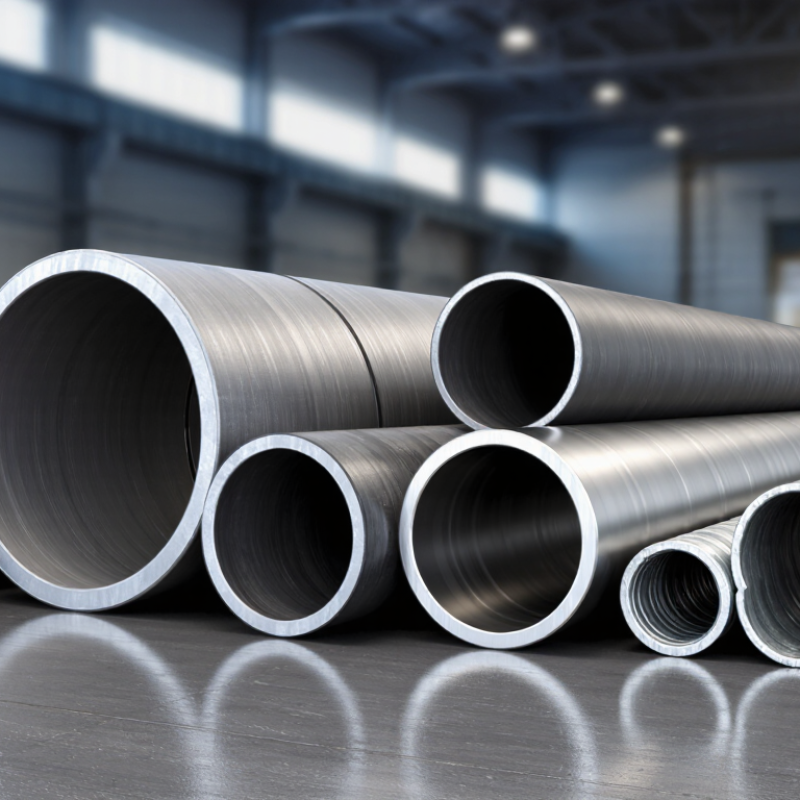
Steel Pipe Fundamentals: Materials, Forms, and Manufacturing
Steel pipe selection begins with its material and service conditions. Carbon steel is common in structural frames, water systems, and industrial lines. It offers strength and wide availability, but moisture can cause corrosion without suitable protection. Stainless steel resists many corrosive environments, though grade selection still matters. Alloy steel suits applications requiring greater heat resistance or strength. No material is best everywhere.
Pipes also differ by form and manufacturing route. Seamless pipe is made by piercing and rolling a heated solid billet into a hollow section. Welded pipe begins as flat plate or coil, which is formed into a tube and joined along a seam. That seam is inspected and tested against the relevant specification. Small details matter. Wall thickness, outside diameter, end finish, and tolerances all affect fit and performance. A polished sample can look convincing, but service conditions tell more. Check fluid chemistry, temperature, pressure, installation loads, and maintenance access before choosing. Standards and test records help verify quality, but they cannot replace a clear understanding of the application. It is easy to focus on strength alone; corrosion allowance and joining method deserve attention too. Sometimes an early choice needs a second look.
Major Steel Pipe Types and Their Key Differences
Steel pipe types differ mainly by how they are made, their geometry, and the loads they must handle. Seamless pipe has no longitudinal weld and is often specified for demanding pressure or temperature conditions. ERW pipe is formed from strip steel and electrically welded; it can offer consistent dimensions for water, construction, and many industrial services. LSAW and spiral-welded pipe suit larger diameters, but weld inspection and project specifications matter. No type wins every job.
For structural frames, square and rectangular hollow sections provide flat faces for connections, while round pipe handles pressure and flow applications. ASTM A53 covers welded and seamless steel pipe; ASTM A500 addresses structural tubing, and API Specification 5L covers line pipe grades. These standards define requirements, not a guarantee that a product fits a specific service. The World Steel Association reported 1,882.6 million tonnes of crude steel production in 2024; this shows the scale of the upstream industry, not the availability or quality of any pipe grade. Easy to overlook.
Tips: Match the pipe to pressure, corrosion exposure, temperature, and joining method. Check grade, wall thickness, test records, and the applicable standard before ordering. I would verify the design conditions twice; a familiar pipe size can still be the wrong choice.
How Pipe Standards and Specifications Define Performance
A steel pipe’s performance depends on more than whether it is seamless, welded, or stainless. The specification sets measurable limits for dimensions, wall thickness, chemistry, strength, and testing. ASME B36.10M covers dimensions for welded and seamless wrought steel pipe, while ASTM A106 covers seamless carbon steel pipe for high-temperature service. For line pipe, API Specification 5L defines requirements that include grade and inspection level. These documents help engineers compare materials against operating pressure, temperature, and corrosion exposure. Size is not enough.
The World Steel Association’s World Steel in Figures 2025 reports global crude steel production of 1,882.6 million tonnes in 2024. That figure describes the scale of steelmaking, not pipe quality; a large supply does not guarantee consistent performance. Buyers should check the exact standard edition, grade, nominal wall thickness, and required tests on the mill certificate. A pipe may meet its grade yet still be unsuitable if its wall is too thin for the design conditions. I have seen specifications treated like paperwork. That is a risky shortcut. Requirements for impact testing, weld examination, and dimensional tolerance can change between standards and service conditions, so confirm them before procurement.
How to Choose Steel Pipe for Your Operating Conditions
How to Choose Steel Pipe for Your Operating Conditions
Start with what the pipe will carry and where it will operate. Water, steam, oil, and abrasive slurry place different demands on the pipe wall. Record the working pressure, temperature range, flow rate, and any pressure surges. Small details matter.
A brief temperature spike can affect material selection as much as the normal operating temperature.
Match the pipe material and construction to those conditions. Carbon steel is commonly used for many industrial services, while alloy or stainless steel may suit higher temperatures or more corrosive environments. Seamless and welded pipes also differ in manufacturing and inspection requirements; neither is automatically the right choice for every job.
Check wall thickness against pressure calculations, corrosion allowance, and expected service life. Then consider supports, vibration, thermal expansion, and how the pipe will be joined.
The surrounding environment deserves attention, too.
Soil chemistry, salt spray, condensation, and contact with dissimilar metals can contribute to corrosion. Specify the required material grade, dimensions, manufacturing method, and inspection documents clearly. Verify that the selection meets the project’s applicable engineering codes and operating limits with a qualified engineer.
One uncertainty often remains: actual service conditions can differ from design assumptions, so leave room for inspection and maintenance.
How to Compare Cost, Installation, and Maintenance Needs
The right steel pipe is not always the one with the lowest purchase price. Compare the full installed cost, including fittings, surface protection, labor, and future inspections. Carbon steel is often economical for general service, but it may need coatings where moisture can cause corrosion. Galvanized pipe has a protective zinc layer, while stainless steel can suit environments where corrosion resistance matters more. Each option has trade-offs. Wall thickness and pipe diameter also affect weight, handling, and material cost.
Installation choices can change the budget quickly. Welded joints need trained labor and suitable site conditions; threaded or grooved connections may simplify assembly in some systems. Check the project drawings and operating conditions before deciding. A coating damaged during cutting or welding may need repair, especially on galvanized pipe. Small detail. Leave enough clearance around joints and supports for inspection and repair. Maintenance needs depend on exposure, water quality, and operating temperature. Periodic checks for leaks, rust, damaged coatings, and loose supports can catch problems early. Keep inspection notes. Still, estimates can miss awkward access or site delays, so allow some flexibility rather than treating the first quote as exact.
2026 Top Steel Pipe Types: Cost, Installation & Maintenance
Indicative comparison of common steel pipe options. Ratings are qualitative planning estimates, not measured specifications or project quotations; actual costs and effort vary with pipe size, grade, site conditions, labor, and service environment. Higher scores are more favorable.
How to read it: Carbon steel is often economical upfront but generally needs corrosion protection; galvanized steel has a zinc coating that can reduce corrosion in suitable conditions; stainless steel offers strong corrosion resistance but typically costs more. Confirm material suitability against the fluid, pressure, temperature, applicable standards, and expected service life.
 English
 Français
