Top 10 Aluminum Window and Door Trends at the 139th Canton Fair?
The 139th Canton Fair is poised to showcase the latest trends in Aluminum Window And Door design. This event, running from April 15 to May 5, 2026, will highlight innovations in various industries, including advanced manufacturing and construction materials. Visitors will experience first-hand the advancements in aluminum products that enhance both aesthetics and functionality.
Aluminum Window And Door applications are evolving, with a focus on energy efficiency and modern design. The integration of smart technology, such as AI-driven features for navigation, will allow buyers to easily locate suppliers showcasing the latest in aluminum. This innovation creates a more efficient experience for attendees.
However, some challenges remain. Not every manufacturer will meet the stringent criteria for certification. Buyers must exercise caution in selecting quality products. The competition is fierce, and some trends may not stand the test of time. Reflecting on these aspects can lead to better purchasing decisions at the fair.
Emerging Designs in Aluminum Windows and Doors at Canton Fair
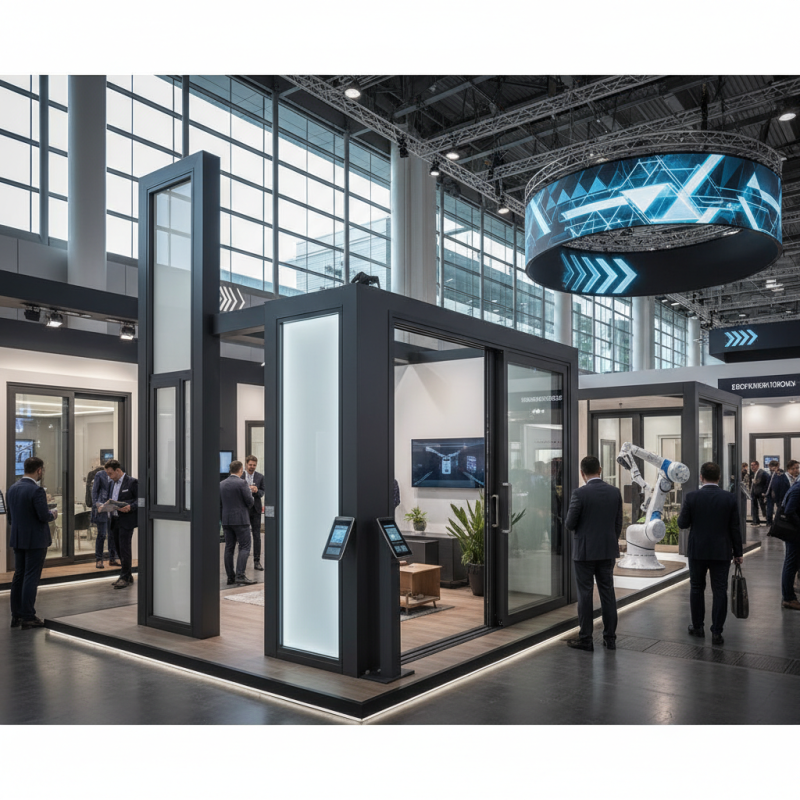
The 139th Canton Fair showcased innovative aluminum window and door designs. Attendees were captivated by sleek lines and modern aesthetics. The use of large glass panels caught everyone's eye. They provide a seamless connection between indoor and outdoor spaces. Colors were diverse, too, ranging from classic whites to bold blacks. This shift reflects a desire for personalization in home design.
Tips: When choosing aluminum windows, consider thermal efficiency. Good insulation saves energy and enhances comfort. Think about maintenance; some finishes require less upkeep over time.
Functionality is also crucial. Many new designs incorporate smart technology. Features like automatic opening and closing are gaining popularity. However, some users struggled with the tech integration. Balancing innovation with user-friendliness remains key. High-tech solutions should simplify life, not complicate it.
Another intriguing trend was sustainability. Materials were sourced responsibly, appealing to eco-conscious consumers. Yet, there's a fine line between sustainable and cost-effective. Manufacturers need to reflect on affordability while being green. Achieving this balance is imperative for long-term success.
Innovative Energy Efficiency Features Showcased in Aluminum Products
At the 139th Canton Fair, energy efficiency was a hot topic. Many aluminum window and door manufacturers showcased innovative features. These advancements aim to reduce energy consumption and increase sustainability. According to a recent industry report, energy-efficient windows can lower heating and cooling costs by up to 30%. This is significant for both homeowners and commercial buildings.
One prominent trend is the use of thermal break technology. This feature minimizes heat transfer, enhancing insulation. The market is evolving, with 60% of new products incorporating better insulating materials. Furthermore, smart glass technology is gaining traction. It allows windows to adapt to changing temperatures, automatically regulating indoor climates. However, some manufacturers struggle to balance cost and functionality.
There is still room for improvement in design. While many focus on functionality, aesthetic value shouldn't be ignored. Consumers are looking for products that are not only efficient but also visually appealing. As the industry pushes for greener solutions, a thoughtful approach to design will set successful products apart. Energy efficiency should not compromise style—this balance is essential for future growth.
Top 10 Aluminum Window and Door Trends at the 139th Canton Fair - Innovative Energy Efficiency Features Showcased in Aluminum Products
| Trend | Description | Energy Efficiency Rating | Material Used | Color Options |
| Triple Glazing | Enhanced thermal performance with three layers of glass. | A+ Rating | Aluminum | White, Grey, Black |
| Smart Glass Technology | Glass that adjusts its transparency based on sunlight. | A Rating | Aluminum | Transparent, Opaque |
| Low-E Coatings | Coating that reflects heat back into the room. | A++ Rating | Aluminum | Various Colors |
| Thermal Break Technology | Improves insulation by separating interior and exterior metals. | B Rating | Aluminum | Standard Colors |
| Recyclable Materials | Products made from recycled aluminum for sustainability. | A Rating | Recycled Aluminum | Natural Finish |
| Integrated Ventilation Systems | Built-in systems for natural air circulation. | B+ Rating | Aluminum | Custom Colors |
| Enhanced Security Features | New locking systems for improved safety. | N/A | Aluminum | Multi-Color Options |
| Customizable Designs | Tailored design solutions for unique architectural needs. | N/A | Aluminum | Unlimited Options |
| Noise Reduction Technologies | Features designed to minimize external noise. | A Rating | Aluminum | Standard Colors |
Popular Color Trends for Aluminum Windows and Doors
At the 139th Canton Fair, color trends for aluminum windows and doors showcased bold choices. Deep blue and rich emerald green stood out as favorites. These shades add a modern touch to both residential and commercial spaces. The combination of these colors with aluminum’s sleek finish creates an eye-catching effect.
Muted tones are also gaining popularity. Soft grays and gentle taupes offer a subtle elegance. They blend seamlessly with various architectural styles, making them versatile. This approach can sometimes feel safe, but it resonates well with clients focused on timeless design.
Textures are becoming an essential element too. The mix of matte and glossy finishes provides depth. Some visitors noted that while these trends are appealing, it’s crucial not to overdo them. A careful balance ensures the design does not overwhelm the space. Reflecting on these trends can help identify what resonates most with personal taste and design preferences.
Sustainability Practices Adopted by Manufacturers in the Aluminum Sector
The aluminum sector is undergoing a significant transformation towards sustainability. Many manufacturers are adopting greener practices to reduce their environmental impact. This trend was evident at the 139th Canton Fair, where numerous exhibitors showcased their eco-friendly innovations. The focus on recycled materials stands out. Some manufacturers are incorporating up to 70% recycled aluminum in their products.
Energy efficiency is another critical aspect. Many new designs feature improved thermal insulation. These windows and doors are not only stylish but also help save energy. Consumers increasingly demand such solutions. However, the industry still faces challenges. Finding affordable, sustainable materials can be difficult. A balance between cost and eco-friendliness is often needed.
Manufacturers are exploring renewable energy sources for production. Some have adopted solar panels at their facilities. This effort reduces carbon emissions during the manufacturing process. Yet, the implementation is not uniform across the industry. While some companies lead the way, others lag behind. There is still much work to be done to ensure a sustainable aluminum sector.
Technological Advancements in Aluminum Window and Door Systems
At the 139th Canton Fair, aluminum window and door systems showcased remarkable technological advancements. Smart integration, energy efficiency, and durability stood out as key trends. Reports indicate that nearly 80% of consumers prioritize energy efficiency in their window and door choices. These preferences drive manufacturers to innovate continuously.
One notable advancement is the use of thermally broken frames. This technology improves insulation, reducing energy costs significantly. Studies show that buildings with thermally broken aluminum fixtures can save up to 30% on heating and cooling expenses. However, not all manufacturers fully harness this potential. Some still use older designs that fail to meet modern efficiency standards.
Moreover, smart window technology is gaining momentum. Electrochromic glass, for instance, allows users to control light and heat gain. This feature not only enhances comfort but also lowers energy bills. Yet, the adoption rate remains low, with around 20% of new buildings incorporating smart systems. Stakeholders must consider these gaps as they develop products for a changing market.
 English
  Français