
2026 Best Adhesive Vent Waterproof Products for Buyers

    Waterproof enclosures face a quiet engineering challenge: they must block rain and dust without trapping heat or pressure. Adhesive Vent Waterproof products address this trade-off with a breathable membrane and peel-and-stick backing. They appear on battery housings, outdoor sensors, vehicle lamps, and compact electronic cases. Small parts. High stakes.

    Grand View Research estimated the global automotive electronics market at USD 279.1 billion in 2023, with projected annual growth of 7.8% from 2024 to 2030. That forecast signals expanding electronics use, but it does not measure demand for vent membranes specifically. Buyers should treat it as context, not product proof. For enclosure protection, IEC 60529 defines IP ratings, while real performance still depends on assembly, materials, and exposure conditions. A strong specification should state airflow, water-entry resistance, adhesive compatibility, operating temperature, and test method. A tidy datasheet can still hide gaps.

    This 2026 guide compares adhesive vent waterproof products by those practical criteria. It also considers membrane area, housing surface, installation pressure, and service environment. For example, a vent bonded to a curved, dusty casing may perform differently from one applied to a clean, flat panel. Ask suppliers for test results tied to the finished assembly, not just the membrane. Look for traceable methods, sample conditions, and clear limits. No single product fits every enclosure. The best choice is the one that balances pressure equalization, water protection, and reliable bonding in the buyer’s actual design.
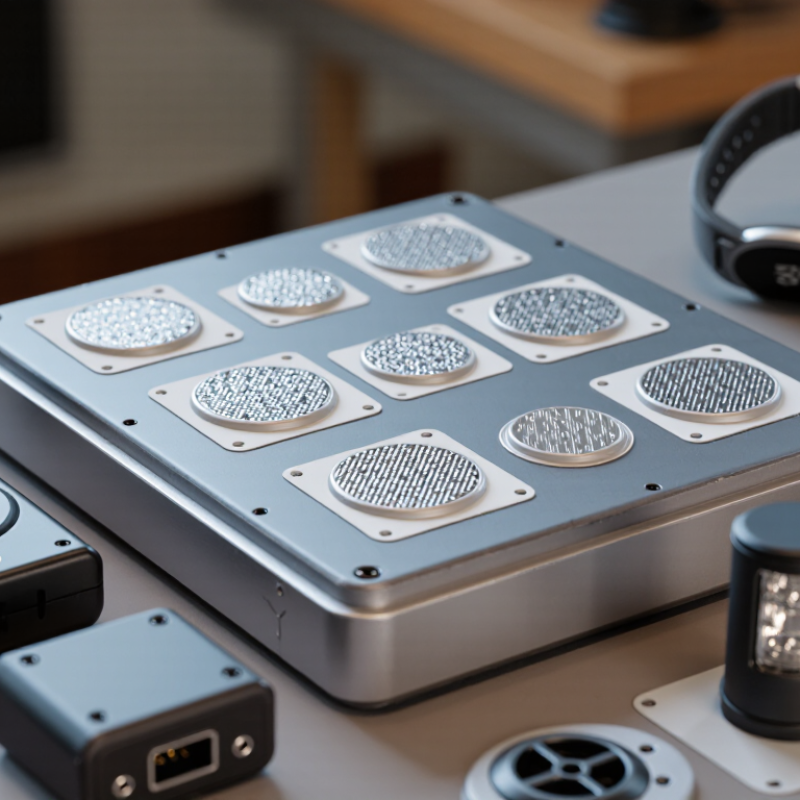
    2026 Best Adhesive Vent Waterproof Products for Buyers

    What Adhesive Vent Waterproof Products Are and How They Work

    Adhesive vent waterproof products are low-profile membrane vents bonded over an opening in an enclosure. Their pores let air pass while resisting liquid water and, depending on the design, dust. That matters. As temperatures change, trapped air expands or contracts, creating pressure differences that can stress seals or pull moisture inside. A vent helps equalize pressure without leaving the housing fully open. Not magic. Performance depends on membrane properties, vent area, enclosure design, and the product’s stated water-entry rating. A waterproof claim alone does not guarantee protection during every spray pattern or immersion condition.

    These vents can be useful in compact electronics, sensors, outdoor lighting, and other sealed housings. Installation details count. Clean and dry the bonding surface, press the adhesive evenly, and avoid touching or stretching the active membrane. Even a small wrinkle can create a leak path. Follow the supplier’s technical data for temperature limits and adhesive settling time. The trade-off is real: more vent area can improve pressure equalization, but placement and available space may limit the design.

    Before selecting a vent, compare its airflow, operating temperature, and chemical compatibility with the enclosure’s actual conditions. One size rarely suits every application. Testing the finished assembly under heat cycling and water spray can reveal weak spots. For critical equipment, assess the whole enclosure, not just the vent; seams, cables, and fasteners also affect moisture protection.

    Main Types of Adhesive Vent Products and Their Applications

    2026 Best Adhesive Vent Waterproof Products for Buyers
    Main Types of Adhesive Vent Products and Their Applications

    Adhesive vent products generally include membrane patches, vent strips, and compact vent plugs. Each uses a breathable, water-resistant membrane to help balance pressure while limiting liquid water and dust entry. Patches suit flat surfaces on sensor housings, outdoor lights, and control enclosures. Strips can cover longer openings, while plugs fit prepared holes in molded or metal cases. Fit matters. A product rated for one enclosure may not perform the same way on another.

    Tips: Clean and dry the bonding area, then apply the vent to a flat surface without wrinkles. Check the specified opening size, adhesive compatibility, and installation temperature. Leave clear space around the membrane.

    Selection depends on the enclosure material, exposure, and airflow needs. A small electronic housing may need only gradual pressure equalization; a larger case can require more vent area. Adhesive type matters too, especially on textured plastics or powder-coated metal. A neat-looking bond can still lift at the edges after heat, moisture, or vibration. That detail is easy to miss. Review technical data and, where possible, test the assembled enclosure under realistic conditions before choosing a product for production.

    Key Performance Criteria for Comparing Waterproof Vent Products

    When comparing adhesive vent waterproof products, match the stated performance to the enclosure’s real conditions. Check airflow at a specified pressure difference, not just a general “breathable” claim. A vent that passes too little air may not relieve pressure during rapid temperature changes. Look beyond a headline rating. Ask how water resistance was tested, including spray direction and exposure time.

    Adhesive compatibility matters as much as membrane performance. Confirm the recommended surfaces, surface preparation, and application temperature. Dust, textured plastics, and curved panels can weaken the bond around the vent’s edge. That edge is easy to overlook. Review temperature, humidity, and chemical-resistance data if the enclosure faces outdoor use or cleaning agents. Product dimensions and vent placement also affect performance; a suitable membrane cannot compensate for a blocked opening.

    Compare test conditions across suppliers before treating figures as equivalent. Results from different methods may not be directly comparable, and real assemblies can behave differently from samples. This part is not perfectly tidy. Request installation guidance and, where practical, evaluate a sample on the intended housing. Check airflow and inspect the adhesive perimeter after exposure to heat, moisture, and handling. Record the conditions, since a quick bench check may miss slow edge lift or changing airflow.

    Hydrostatic Pressure Reference for Waterproof Vent Comparison
    These values are calculated for still freshwater using pressure = density × gravity × depth. Use them as a reference when comparing a vent’s stated water-entry pressure; they are not product ratings and do not represent water-jet exposure. Also compare airflow, adhesive peel strength, temperature range, and the test methods used in each product’s datasheet.

    Best Adhesive Vent Waterproof Product Categories for 2026

    Best Adhesive Vent Waterproof Products for Buyers

    Adhesive vent products generally fall into three useful categories: membrane patches, die-cut vent inserts, and vent strips. Each combines a pressure-sensitive adhesive with a breathable membrane. The membrane helps limit water and dust entry while allowing air to pass, which can reduce pressure changes inside sealed enclosures. Patches suit flat, compact surfaces. Inserts offer a cleaner fit in prepared openings. Strips can cover longer vent areas, but need careful alignment.

    Tips: Clean and dry the mounting surface before application. Check the specified temperature range and water-resistance test conditions. Fit matters more. A small wrinkle or dusty edge can create a leak path, even when the membrane itself performs well.

    For 2026 purchasing, compare airflow, water-entry resistance, adhesive compatibility, and usable vent area—not just overall dimensions. Consider whether the enclosure faces rain, washdown, condensation, or frequent temperature swings. These conditions place different demands on a vent. Ask suppliers for test data and sample parts, then evaluate them on the actual housing material. Some adhesive vents are harder to remove cleanly than expected; that trade-off is easy to overlook. A short trial under realistic conditions can reveal fit and bonding issues before a larger order.

    2026 Best Adhesive Vent Waterproof Products for Buyers – Best Adhesive Vent Waterproof Product Categories for 2026

    A practical comparison of adhesive-mounted vent categories for enclosure designers and buyers. Select a product based on the complete assembly, operating environment, and verified supplier test data.

    Product Category Typical Construction Primary Function Common Applications Key Selection Considerations Useful Verification
    General-purpose hydrophobic adhesive vent Microporous, water-repellent membrane with a pressure-sensitive adhesive perimeter. Allows air and pressure equalization while helping resist liquid-water entry when correctly installed. Outdoor electronics enclosures, sensor housings, and sealed lighting assemblies. Check membrane compatibility, adhesive bond to the enclosure surface, vent location, and exposure to dust, water, and temperature. Review airflow and water-entry test data for the specific part and test conditions; evaluate the finished enclosure.
    Oleophobic adhesive vent Water-repellent membrane treated or selected to resist wetting by oils and other low-surface-tension liquids. Provides pressure equalization with added resistance to certain oils or chemical splashes. Equipment exposed to lubricants, oily handling, or selected industrial contaminants. “Oleophobic” does not mean resistant to every oil or chemical. Confirm compatibility with the actual fluid, concentration, temperature, and exposure duration. Request fluid-specific compatibility and ingress test results; test the adhesive and membrane together.
    High-airflow adhesive vent Large-area or low-resistance vent construction using a permeable membrane and adhesive mounting layer. Supports faster pressure equalization where enclosure pressure changes rapidly. Enclosures subject to fast temperature changes, altitude changes, or frequent pressure cycling. Compare airflow at the same pressure differential and test method. A larger airflow rating alone does not establish water protection. Check airflow-versus-pressure data and water-entry performance for the exact vent size and mounting arrangement.
    Low-profile adhesive vent Thin vent element designed for limited mounting depth, typically with an adhesive attachment area. Provides a compact route for pressure equalization without a protruding threaded fitting. Compact handheld devices, slim control units, and space-constrained housings. Confirm available bonding area, surface flatness, installation clearance, and resistance to handling or abrasion. Verify dimensions and adhesive-bond performance on the production enclosure material.
    High-temperature adhesive vent Vent membrane, carrier, and adhesive selected for a specified elevated-temperature operating range. Maintains vent attachment and function in applications with higher thermal exposure. Industrial equipment, vehicle electronics, and enclosures near warm components. Temperature limits depend on the full construction, especially the adhesive. Consider temperature cycling, humidity, and long-term aging. Review continuous and intermittent temperature limits, aging data, and bond testing under the intended conditions.
    Acoustic-transmitting adhesive vent Acoustically permeable membrane supplied with an adhesive perimeter for mounting over an enclosure opening. Allows sound to pass while helping protect an opening from environmental contaminants. Devices with microphones, speakers, alarms, or acoustic sensors. Balance acoustic transmission with environmental protection. Performance can vary with frequency, opening design, and membrane placement. Check frequency-dependent acoustic data and ingress results on the assembled device.
    Adhesive vent patch or die-cut vent Membrane supplied as a shaped patch, often with a liner for handling and application. Provides a ready-to-apply vent format for a defined enclosure opening or surface. High-volume assembly lines and products with non-standard opening shapes. Specify patch geometry, alignment features, adhesive coverage, liner handling, and application pressure. Validate placement repeatability, adhesion, and enclosure performance after the production assembly process.

    Buyer note: An adhesive vent does not by itself establish an enclosure’s IP rating. Ingress-protection classifications are determined by testing the complete enclosure assembly to the applicable requirements, such as IEC 60529. Confirm the test method, mounting instructions, operating limits, and results for the exact product and application before purchase.

    How Buyers Can Select and Install the Right Product

    Choosing an adhesive vent waterproof product starts with the enclosure, not the package. Identify the housing material, exposure, temperature range, and required airflow. A vent for a sealed electronics case may not suit a dusty outdoor cabinet. Check the product’s stated water-resistance, airflow, and operating-temperature data against the actual conditions. Small details matter. Confirm that the adhesive is compatible with the surface, especially if it is textured, coated, or low-energy plastic. A common mistake is choosing by size alone. The right vent must cover the opening without blocking needed airflow.

    For installation, work on a clean, dry surface in the temperature range specified by the supplier. Remove dust and oil, then let the surface dry fully. Mark the position before peeling the liner; repositioning can weaken the bond. Press evenly around the full perimeter, paying close attention to corners. Do not stretch the vent or touch the adhesive. Allow the bond to cure before exposing the assembly to water, if the instructions require it. Inspect the edge for lifting and test the finished enclosure under realistic conditions. Even careful preparation cannot fix a poor material match, so review the fit before ordering in quantity.