10 Best Chicken Layer Cage Manufacturers for Sale
Choosing a Chicken Layer Cage manufacturer is a practical decision that affects daily work, bird comfort, and long-term operating costs. This guide introduces ten manufacturers for buyers comparing equipment for new or expanding layer farms. A supplier’s product photos can look convincing. The details matter more.
Compare cage dimensions, galvanized steel quality, weld finish, manure-removal systems, feeding access, and drinker-line compatibility. Ask how the equipment fits your building, ventilation plan, and local operating requirements. These details can be easy to overlook during a sales call. They are harder to fix after installation. Shortlist manufacturers that provide clear specifications, installation guidance, spare-part information, and responsive after-sales support. Request references from farms using similar systems, and confirm which services are included in the quoted price.
This list is a starting point, not a guarantee that every manufacturer suits every farm. Product ranges, lead times, and support can change, so verify current details directly with each company. Compare written offers on the same basis, including shipping, installation, warranty terms, and replacement components. Pay attention to what remains unclear. A lower price may not include essential service, while a polished presentation does not prove consistent performance. The right choice depends on your building, workforce, budget, and management priorities. No single option fits everyone. Take time to check the claims against your actual needs before making a commitment.
What Chicken Layer Cages Are and How They Support Egg Production
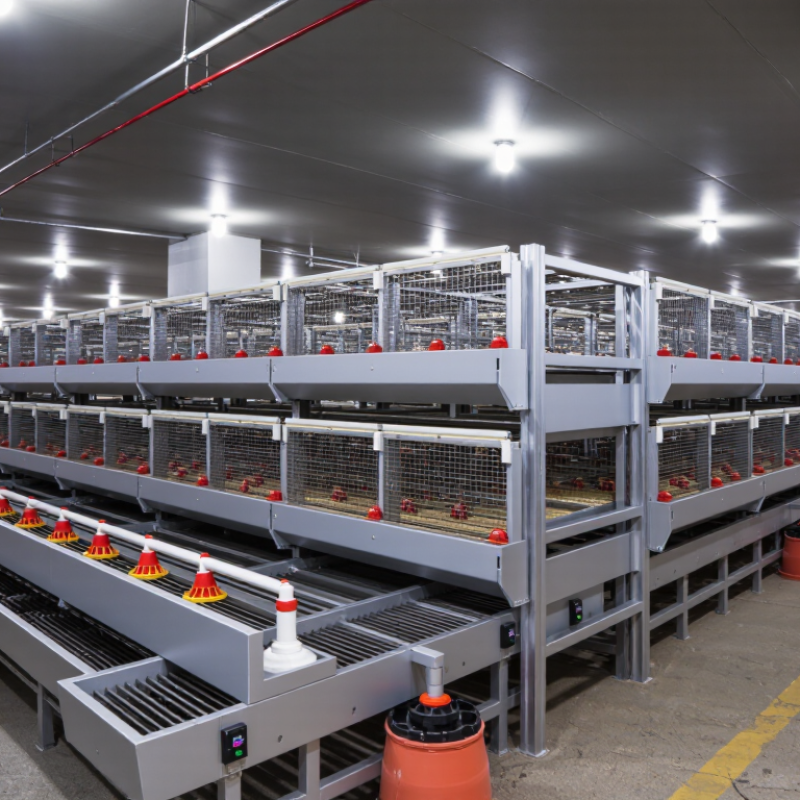
A chicken layer cage is a housing unit for hens kept for egg production. It usually combines a sloped floor, feed troughs, drinker lines, and a system for collecting eggs and removing manure. In enriched designs, hens may also have nests, perches, and scratching areas. These features keep eggs cleaner and make daily collection more predictable. Small details matter. A poorly adjusted floor can leave eggs trapped, while uneven drinker pressure can affect flock access to water.
Cages support production by organizing feeding, watering, egg handling, and flock observation in a compact space. But the cage alone does not determine output; genetics, nutrition, lighting, ventilation, and health management all matter. FAOSTAT recorded roughly 91 million tonnes of hen eggs produced worldwide in 2022, showing the scale of the sector, not the performance of any one housing system. EFSA’s 2023 scientific assessment also identifies nesting, perching, and dustbathing as important behavioral needs. That creates a real design challenge: efficient collection must not erase opportunities for natural behavior. Conditions inside one house can vary, too, so routine checks at bird level remain essential.
Ten Chicken Layer Cage Manufacturers and Their Product Ranges
A useful review of ten chicken layer cage manufacturers should compare more than advertised capacity. Their ranges commonly include A-frame and H-frame systems, manual or automated egg collection, manure belts, drinker lines, and feeding equipment. Smaller farms may need simple layouts with easy access for cleaning. Larger facilities often prioritize tiered cages, conveyor systems, and controls that reduce routine labor. Details matter: inspect welds, belt tension, drinker height, and access around the end rows.
FAOSTAT’s 2022 food and agriculture data records more than 90 million tonnes of hen eggs produced worldwide. That scale helps explain the variety of equipment on offer, but it does not prove that any one system suits every farm. Ask manufacturers for drawings, stocking-capacity calculations, spare-parts lists, and references from comparable operations. A glossy brochure is not a performance test. It rarely is.
Product ranges also differ in how easily they fit existing buildings. Compare aisle width, ceiling clearance, ventilation needs, and the space required for egg conveyors before requesting a quotation. Ask how belts and drinker lines are serviced, and whether replacement parts are locally available. These checks can expose costs that a basic equipment price leaves out. I would still treat projected labor savings cautiously; daily results depend on flock size, maintenance, and staff training.
Comparing Cage Capacity, Design, Materials, and Automation
10 Best Chicken Layer Cage Manufacturers for Sale
Comparing cage capacity, design, materials, and automation helps buyers assess whether a system fits their flock and daily routine. Start with usable bird space, not just the advertised capacity. A cage that looks spacious in a brochure may feel crowded once feeders, drinkers, and birds are in place. Check tier height, aisle width, and access for inspection. Small layout details matter.
Materials affect cleaning, service life, and repair needs. Ask about wire thickness, corrosion protection, weld quality, and the finish around joints. Request specifications and inspect a sample if possible. Automation can reduce repetitive work, but only when controls are practical and spare parts are available. Compare feed delivery, egg collection, manure removal, and alarm functions. Watch a system operate, not just in a sales video. Even careful comparisons can miss issues that appear after installation, so request references from farms with similar flock sizes.
Tips: Match capacity to your expected flock, leaving room for routine checks. Ask how common faults are diagnosed and repaired. Keep a little skepticism; a polished specification sheet is not proof of reliable performance.
How to Choose a Manufacturer for Your Poultry Farm
Choosing a chicken layer cage manufacturer starts with your farm’s daily routine, not a catalog photo. Match cage dimensions and tier layout to your building, flock size, and available labor. Ask for wire specifications, corrosion protection details, and the expected service life under your local humidity and cleaning schedule. A glossy finish can look reassuring, but it does not prove consistent welds or durable coating. Request drawings, inspection records, and references from farms with similar housing conditions.
Check how the system handles feeding, watering, manure removal, and egg collection. Ask which spare parts are commonly needed and how quickly replacements can be shipped. Installation guidance matters, too; a small alignment error can disrupt belts or waste labor. Compare the full operating cost, including maintenance and downtime, rather than choosing by purchase price alone. It is tempting to focus on capacity. That can be a mistake. I would also ask the manufacturer to explain what happens when a component fails during peak production.
Tips: Send your building measurements before requesting a quote. Ask for a sample panel or close-up photos of joints and coating. Get maintenance instructions in writing, and clarify who provides on-site support. A few questions now can prevent costly surprises later.
EU Minimum Space Requirements for Laying Hens
Use these regulatory benchmarks when evaluating cage designs and comparing poultry housing options. Requirements vary by region.
EU reference: Council Directive 1999/74/EC. Conventional cages require at least 550 cm² of cage area per hen; enriched cages require 750 cm² of cage area, including at least 600 cm² of usable area; non-cage systems are limited to 9 hens per m² of usable area (about 1,111 cm² per hen). Definitions differ, so compare specifications carefully.
 English
 Français