China Best Belaz Suspension Bushings Supplier?

    China’s heavy-mining equipment market is expanding, but suspension component quality remains uneven. Grand View Research estimates the global mining equipment market reached approximately USD 135 billion in 2023. It also forecasts steady growth through 2030. That growth increases demand for reliable Belaz Suspension Bushings.

    BelAZ vehicles operate under severe loads. The BELAZ-75710, for example, carries up to 450 tonnes. Each bushing must resist shock, vibration, dust, oil, and temperature changes. A small rubber crack can become a costly maintenance event. Quickly.

    Peter Jost, the tribology expert who introduced the term “tribology,” defined it as “the science and technology of interacting surfaces in relative motion.” His principle applies directly here. Bushings are not simple rubber parts. They are engineered interfaces between suspension pins, metal sleeves, and moving loads.

    A capable China supplier should provide compound specifications, hardness records, bonding details, and dimensional inspection reports. ISO 9001 certification helps, but it does not replace application testing. Suppliers should also verify compression set, abrasion resistance, tensile strength, and fatigue performance.

    The best manufacturers study actual haul-road conditions. They examine bushing wear patterns, grease contamination, pin alignment, and installation methods. This experience matters more than a polished catalog.

    Still, product selection is not always perfect. OEM dimensions may differ slightly between machine versions. Drawing confirmation is essential. A low purchase price can hide rapid replacement costs.

    This guide will compare Chinese manufacturers, material choices, testing practices, and export reliability. It will help buyers evaluate Belaz Suspension Bushings using evidence rather than promises.
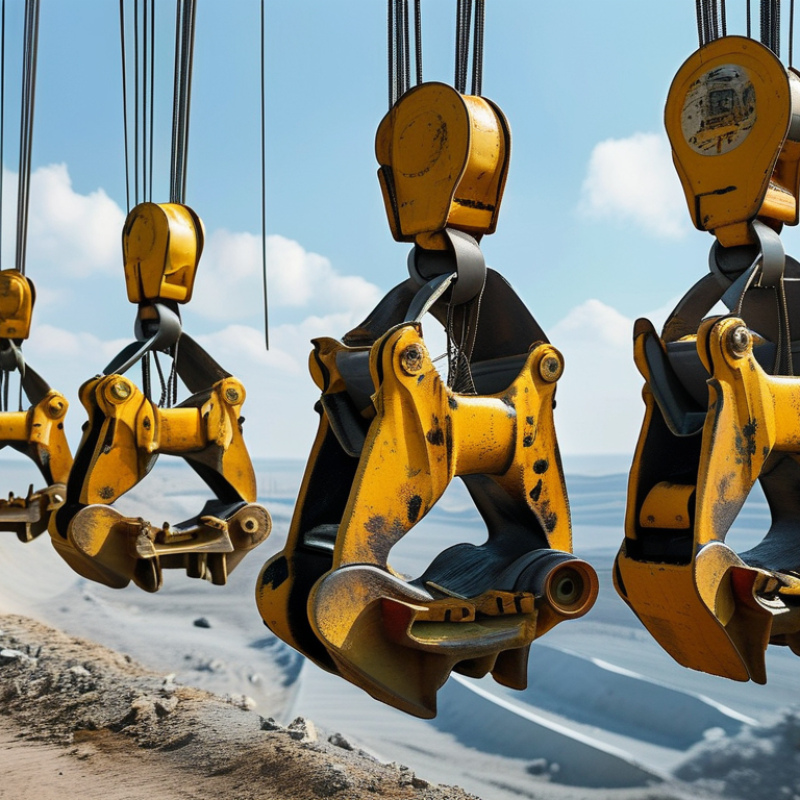
    China Best Belaz Suspension Bushings Supplier?

    What Are BelAZ Suspension Bushings and Why Do They Matter?

    Suspension bushings are resilient components fitted between a haul truck’s suspension parts. They absorb vibration, control movement, and reduce metal-to-metal contact. In a loaded truck, each bushing faces heavy shocks, dust, water, and repeated steering forces. Small parts matter.

    A properly selected bushing keeps the suspension aligned during braking and uneven travel. It also helps protect pins, housings, and nearby mounting surfaces. During inspections, technicians should check for cracks, swelling, uneven wear, and loose movement. Measure the bore and outer diameter carefully. Guesswork can create expensive problems. A bushing may look acceptable outside while its inner sleeve is already worn.

    Material choice requires practical judgment. Polyurethane can offer strong wear resistance, while rubber may provide better vibration control in certain working conditions. The correct option depends on load, temperature, lubrication, and operating terrain.

    Installation also matters. Clean contact surfaces, confirm the press fit, and avoid forcing a damaged component into place. I have seen premature wear caused by poor alignment, not poor material. That detail is easy to miss.

    Suppliers should provide stable dimensions, clear material data, inspection records, and responsive technical support. Yet no supplier can replace regular maintenance. The operating team must review real wear patterns and adjust decisions when field evidence disagrees with the original plan.

    How to Evaluate a BelAZ Suspension Bushings Supplier in China

    Choosing a heavy-duty suspension bushing supplier in China requires more than comparing unit prices. The supplier should understand mining vehicles, high loads, abrasive dust, and uneven haul roads. Ask for engineering drawings, material specifications, hardness data, and dimensional tolerances. A reliable factory can explain how rubber, polyurethane, or composite compounds suit different suspension conditions.

    Look for practical production experience. Request inspection records from incoming materials, molding, machining, and final assembly. Key checks include outer diameter, inner diameter, concentricity, hardness, and compression set. Ask whether each batch receives a traceable lot number. Independent laboratory testing is useful for verifying tensile strength, wear resistance, and fatigue performance. Photos are helpful. Test reports matter more.

    Factory visits can reveal important details. Observe mold maintenance, storage conditions, and sample measurement procedures. Speak with the technical engineer, not only the sales representative. A serious supplier should review your operating temperature, axle load, installation method, and expected service hours. One common mistake is accepting a perfect-looking sample without testing it under real loads. I have seen dimensions pass inspection while installation still failed because the compound was too stiff. That lesson remains uncomfortable, but valuable. Clear drawings, controlled batches, realistic testing, and responsive after-sales support provide stronger evidence than a polished catalog.

    Which Materials and Manufacturing Standards Should Be Considered?

    Choosing a suspension bushing supplier for large haul trucks starts with material evidence, not catalog claims. The USGS Mineral Commodity Summaries 2024 estimated global iron ore mine output near 2.5 billion metric tons in 2023. That scale implies severe dust, shock, heat, and long maintenance intervals. Field experience shows that one universal elastomer rarely performs equally well across every axle position.

    Natural rubber offers strong fatigue resistance and elastic recovery under repeated articulation. Polyurethane can improve abrasion resistance, but it may transmit more vibration in cold conditions. Nitrile suits oil exposure; EPDM handles weather and hot water better. Material selection should follow measured temperature, oil contact, load, and compression-set data. ASTM D395, ASTM D412, ASTM D2240, and ISO 815-1 provide practical test routes. Hardness alone is not enough. We sometimes overvalue it.

    Manufacturing control matters as much as compound choice. ISO 9001:2015 supports traceability, corrective action, and documented process control. ISO 1629 identifies rubber types, while SAE J200 helps classify performance requirements. For bonded designs, inspect surface preparation, adhesive coverage, concentricity, and voids. A reliable supplier should provide batch records, cure curves, dimensional reports, and aging results. I would also request PPAP-style evidence, even when unnecessary contractually. Small inspection gaps can become large failures underground. That risk deserves honest review.

    How to Compare Quality, Compatibility, Pricing, and Delivery

    Selecting a China-based Belaz suspension bushings supplier requires more than comparing catalogue prices. Start with compound quality, hardness, tensile strength, and compression-set results. Ask for batch-level test records, not general brochures. ASTM D395 testing can reveal how rubber behaves under prolonged compression. ISO’s 2022 Survey recorded 1,265,216 ISO 9001 certificates worldwide, yet certification alone does not prove bushing performance. That distinction matters.

    Compatibility should be checked against the exact suspension position, pin diameter, sleeve length, and operating load. Request dimensional drawings and a sample before approving production. In field inspections, even a small interference error can create uneven wear around the sleeve. Material choice also matters in cold haul roads, abrasive dust, and oil-contaminated areas. A supplier’s engineering team should explain these limits clearly. Vague answers are warning signs.

    Pricing should include tooling, sampling, packaging, replacement stock, and transport. The lowest quotation may hide short service life or unstable dimensions. Deloitte’s 2024 mining industry outlook highlights continuing pressure to improve productivity and control operating costs. Longer bushing life can therefore matter more than unit price. Delivery comparisons should use production lead time, inspection time, shipping route, and customs documentation. Request a written schedule with inspection checkpoints. My practical preference is a small trial order before a large contract. It adds time, but it exposes weak quality control early. Supplier claims still need independent verification.

    What Quality Checks Should Be Completed Before Ordering?

    Choosing a China-based supplier for heavy-haul-truck suspension bushings requires more than comparing prices. The U.S. Geological Survey reported about 2.5 billion metric tons of global iron ore production in 2023. That scale reflects severe equipment demand. Every bushing should therefore receive a documented inspection before shipment.

    Request the compound specification, drawing revision, and batch traceability record. Check Shore A hardness, tensile strength, elongation, and compression set against agreed limits. ASTM D395 supports compression-set testing, while ISO 815-1 provides a recognized method for elastomer deformation. Inspect metal sleeves for diameter, roundness, coating coverage, and burrs. Measure rubber-to-metal alignment with calibrated gauges. Small errors matter.

    Ask for fatigue-test evidence using loads and temperatures similar to the truck’s operating conditions. Review inspection equipment calibration under an ISO 9001:2015 quality system. An independent laboratory can verify random samples. Do not accept only a supplier’s certificate. It sounds efficient, but it leaves a blind spot. Laboratory tests still cannot predict every field failure, especially under mud, heat, and uneven loading. I would also request photographs of failed samples and corrective-action records. That uncomfortable evidence often reveals more than polished brochures. Conduct a pre-shipment inspection before releasing payment.