What Are the Best China HDPE Plastic Sheets Suppliers?
Choosing the best China Hdpe Plastic Sheets supplier requires more than comparing online prices. A reliable supplier should demonstrate stable production, tested raw materials, and clear quality records. Buyers should examine resin grades, sheet thickness, density, impact strength, surface finish, and ultraviolet resistance. Small differences matter. A 10-millimeter sheet that varies noticeably across its width may create problems during fabrication or installation.
Dr. Robert M. Koerner, a leading geomembrane and polymer-materials authority, offers a valuable principle: “Quality must be designed into a product, not inspected into it.” This idea fits Hdpe Plastic Sheets perfectly. Strong suppliers use controlled extrusion lines, calibrated gauges, documented inspection procedures, and traceable production batches. They should also provide current test reports, technical data sheets, and practical samples. A sample is useful. It is not enough.
This guide introduces important questions for evaluating Chinese manufacturers. Can the supplier maintain thickness tolerance over repeated orders? Does its factory understand welding, cutting, forming, and site conditions? Can it explain how carbon black content protects outdoor sheets? Buyers should also review export experience, packaging quality, delivery reliability, and communication after payment. Certifications can support trust, but certificates alone do not prove consistent performance. That is an uncomfortable point. A polished website proves little. Factory audits, sample testing, and written specifications offer stronger evidence. No supplier is perfect. However, careful comparison can reduce material failures, unexpected costs, and project delays.
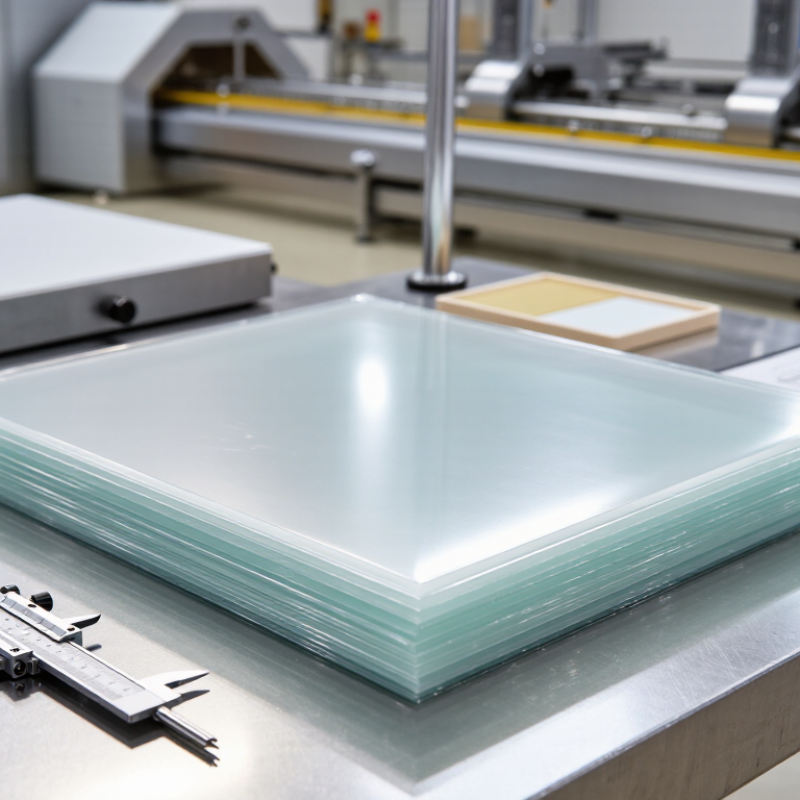
What Defines a Reliable China HDPE Plastic Sheets Supplier?
A reliable China HDPE plastic sheets supplier proves quality through consistent details, not attractive promises. Ask for technical data covering density, thickness tolerance, impact strength, chemical resistance, and operating temperature. A professional supplier should explain these figures clearly. They should also provide recent samples from regular production, not specially selected pieces. Check the sheet edges, surface finish, flatness, and color consistency under practical lighting. Small variations can reveal weak process control.
Experience matters when a supplier understands real applications. They should recommend suitable grades for liners, fabricated tanks, cutting boards, or industrial covers. Their advice should include limitations, such as heat distortion or difficult bonding. Reliable factories usually maintain batch records, inspection reports, and traceable raw-material information. Factory photos help, but a live production discussion is more convincing. I would still avoid trusting one video completely. Verification takes patience.
Tips: Request a sample, inspection report, packaging photo, and production timeline together. Compare the sample with the stated thickness using a calibrated gauge. Ask how rejected sheets are handled. Clear answers build confidence. Slow or vague replies deserve attention. Pricing is important, but an unusually low quote may hide thinner sheets, unstable materials, or limited inspection. A dependable supplier communicates changes early and accepts reasonable technical questions without defensiveness.
How to Evaluate HDPE Sheet Quality and Manufacturing Standards
When comparing China HDPE plastic sheet suppliers, judge the manufacturing process, not only the quotation. A low price may hide inconsistent resin or weak process control. Ask whether the sheets use virgin HDPE, recycled content, or a controlled blend. The answer should match your application.
Request a technical datasheet showing density, tensile strength, elongation, impact resistance, and operating temperature. Check thickness tolerance with a calibrated micrometer at several points. Uneven edges, waviness, pinholes, and dull patches often reveal poor extrusion control. Ask for batch numbers and retained samples. This makes complaints easier to verify later.
Reliable suppliers should explain their quality system and provide relevant test reports. ISO 9001 certification can indicate organized procedures, but it does not guarantee every sheet is perfect. Review testing methods against suitable ASTM or ISO standards. Confirm whether tests were performed in-house or by an independent laboratory. During a factory audit, inspect resin storage, drying controls, temperature records, cooling rollers, and packing protection. A sheet may look excellent after cutting, yet warp during installation. I have learned that small trial orders expose problems faster than attractive brochures. Still, one successful batch is not enough evidence. Recheck dimensions, surface finish, and performance after shipment and storage. Ask difficult questions, and record every answer.
Which China Suppliers Offer the Best Product Range and Customization?
When comparing China HDPE plastic sheet suppliers, examine product range before price. Strong suppliers offer standard and engineering grades, with thicknesses from thin liners to heavy wear plates. They may provide black, white, blue, or custom colors, plus smooth, textured, and patterned surfaces. Sheet sizes also matter. A broad range reduces joints, waste, and field cutting. Samples matter. Ask for proof.
Customization should cover more than color. Experienced manufacturers can cut sheets by CAD drawing, drill holes, route slots, bevel edges, and supply welded assemblies where suitable. Confirm thickness tolerance, flatness, density, impact strength, and operating temperature. Request a sample with the same resin grade and finish as production material. Otherwise, approval testing can become misleading. I would also check packaging, pallet protection, and storage instructions.
Reliable suppliers explain how they control incoming resin, extrusion temperature, cooling, and final inspection. Ask for inspection records, batch identification, and realistic lead times. A capable technical team should discuss chemical exposure, load, abrasion, and installation method, not simply promise “custom solutions.” Some catalogs look impressive but hide limited tooling. That is worth challenging. Start with a small trial order, measure the delivered sheets, and compare them with the drawing before approving repeat production. Good communication helps, but documented tolerances are safer.
How Do Pricing, Minimum Orders, and Export Services Compare?
When sourcing China HDPE plastic sheets, price is rarely the whole decision. A typical quotation depends on thickness, sheet size, color, surface finish, and resin grade. Standard black sheets may offer the lowest unit cost, while food-contact or UV-stabilized grades require closer specification review. Ask whether the price includes tooling, edge trimming, export packing, and inland delivery to the port. I have seen low quotations change after these items appeared. That is worth checking.
Minimum order quantities vary widely. Stock sizes may be available in small batches, but custom colors or thicknesses often require a larger run. A supplier offering 500 kilograms may seem flexible, yet production leftovers can increase the real cost. Another supplier may request one full container, reducing unit pricing but tying up cash and warehouse space. Request a trial order with written tolerances, sample approval, and a clear inspection method. Do not skip this.
Export service should be measured by documents and process, not polite promises. Reliable suppliers normally confirm HS classification, packing dimensions, loading photos, commercial invoices, and certificates when required. They should explain FOB, CIF, or other terms in plain language and identify who handles each shipping step. Check production updates before the balance payment, especially when delivery dates affect installation schedules. Communication can still fail across time zones. My cautious view is simple: compare the complete landed cost, not the attractive first quote.
What Should Buyers Check Before Choosing a Supplier?
When comparing China HDPE plastic sheet suppliers, buyers should verify more than a polished website. Ask for legal company details, factory address, production scope, and recent quality records. A video call can reveal whether the site has extrusion lines, cutting equipment, and basic testing tools. Request samples from the same production line used for bulk orders. Small samples can hide warping, uneven thickness, or poor surface finish. Measure thickness at several points with a calibrated gauge. Do not rely on touch alone.
A dependable supplier should provide a clear technical data sheet. Check density, thickness tolerance, tensile strength, impact performance, operating temperature, and chemical resistance. Ask which test methods support each value. Independent laboratory reports add confidence, especially for tanks, liners, or fabricated parts. Still, paperwork cannot prove every shipment. Review batch numbers, inspection photos, and packaging procedures. Ask how sheets are protected from sunlight, dust, and bending during transport. One overlooked corner can arrive damaged.
Evaluate communication before signing. Can the supplier answer practical questions about color consistency, welding behavior, minimum order quantity, lead time, and replacement handling? Written answers matter. Vague promises deserve caution. A pre-production sample or small trial order reduces risk, although it costs time. Many buyers focus on the lowest quotation and later pay for trimming, delays, or rejected sheets. Price matters, but the cheapest sheet may be expensive in use. Recheck the assumptions. Even a careful checklist can miss problems after production begins.
What Are the Best China HDPE Plastic Sheets Suppliers?
Before choosing a supplier, buyers should evaluate technical compliance, quality evidence, production reliability, and export capability rather than relying only on price.
The chart presents a practical procurement weighting totaling 100%. Buyers should confirm material grade, thickness tolerance, flatness, tensile performance, impact resistance, inspection reports, quality-system documentation, production lead time, minimum order quantity, packaging, and export experience before placing an order.
 English
 Français