7 Best Electronic Power Transformers for Global Buyers

    Choosing an Electronic Power Transformer for an international project takes more than comparing prices or headline efficiency. Buyers must match the unit to its real operating conditions. Supply voltage, frequency, load profile, installation space, and cooling method all matter. A transformer destined for a compact factory may need different features from one serving a large commercial building. Small details count.

    This guide highlights seven options for global buyers and explains what to examine before requesting a quotation. It considers rated capacity, insulation, temperature limits, expected service conditions, and manufacturer documentation. Clear technical records help buyers compare products and confirm that a model suits the intended application. Regional grid requirements and accepted standards can differ, so specifications should be checked with qualified engineers and local project teams.

    The “best” choice is rarely universal. A lower purchase price may bring higher operating costs, while an efficient model may not fit every budget or site. There is no perfect shortlist. Product information can also leave practical questions unanswered, such as lead times, maintenance access, or support after delivery. Treat those gaps as reasons to ask more, not as proof of poor quality. Use the options below as a starting point, then verify performance claims, warranty terms, and compatibility against your project’s documented requirements.
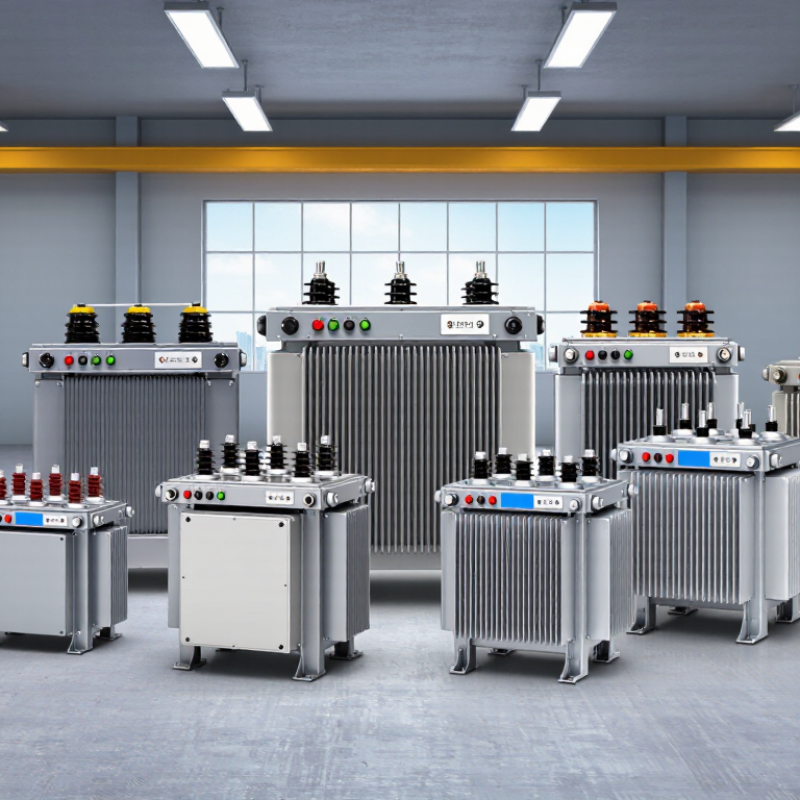
    7 Best Electronic Power Transformers for Global Buyers

    Electronic Power Transformers: Definition and Operating Principles

    An electronic power transformer transfers energy between circuits through electromagnetic induction, usually inside a switching power supply. Unlike a traditional mains-frequency unit, it often works with high-frequency pulses produced by switching transistors. A primary winding receives these pulses, and changing magnetic flux in a ferrite core induces voltage in secondary windings. That matters. The turns ratio helps set the output voltage, while rectifiers and filters convert the secondary waveform into usable direct current. Isolation can also separate input and output circuits when the design requires it.

    In practice, performance depends on more than the turns ratio. Core material, winding layout, insulation, switching frequency, and load current all affect heat, losses, and electromagnetic noise. A compact converter feeding a sensor board may need tight output control and low interference. A motor drive may face larger current swings. Trade-offs remain. Higher frequency can shrink magnetic components, but it may increase switching losses and make circuit layout more sensitive. Buyers should compare rated power, input range, isolation requirements, temperature rise, and test conditions with the intended application. Datasheets help, but real operating temperatures and transient loads deserve careful review. A rating alone may not tell the whole story.

    Main Types and Their Industrial Applications

    Power transformers raise or lower voltage at generation sites and major substations, moving bulk electricity across long distances. Distribution transformers then step voltage down near factories, offices, and homes. The International Energy Agency’s 2023 report, Electricity Grids and Secure Energy Transitions, estimates that 80 million kilometers of grids must be added or refurbished by 2040. That scale makes capacity, efficiency, and service access practical buying concerns.

    Oil-immersed units suit outdoor substations and heavy industrial loads, where cooling capacity matters. Dry-type transformers avoid liquid insulation and are often selected for indoor plants, hospitals, and commercial buildings. Autotransformers connect systems with nearby voltage levels, while isolation transformers help separate sensitive equipment from electrical disturbances. Rectifier transformers serve processes such as electrolysis and large motor drives. Small details matter. Enclosure ventilation and actual load profiles can change the best choice.

    For U.S. distribution equipment, the Department of Energy’s 2024 transformer efficiency rule estimates cumulative energy savings of about 10.3 quadrillion Btu over 30 years. Buyers should compare verified loss data, temperature rise, insulation class, fault withstand, and maintenance needs—not just nameplate capacity. A polished specification can still miss the site reality: dust, heat, and limited crane access complicate installation. That deserves a second look.

    7 Best Electronic Power Transformers for Global Buyers – Main Types and Their Industrial Applications

    Transformer Type How It Works / Key Features Typical Industrial Applications Buyer Considerations
    Liquid-Immersed Power Transformer Uses insulating liquid for electrical insulation and heat transfer. Commonly selected for utility substations and outdoor installations with substantial power requirements. Transmission and distribution substations, power plants, refineries, mining sites, and large manufacturing facilities. Evaluate cooling method, installation environment, fire protection, fluid containment, maintenance access, and applicable local safety requirements.
    Dry-Type Cast-Resin Transformer Uses solid insulation around the windings rather than an insulating liquid. Often installed indoors where reducing the risk of liquid leakage is important. Commercial buildings, hospitals, data centers, factories, tunnels, and other indoor distribution locations. Check ventilation, enclosure protection, temperature rise, noise limits, fire-safety requirements, and suitability for the site’s dust or humidity conditions.
    Autotransformer Uses a winding shared by the input and output circuits. It can be smaller and use less material than a two-winding transformer for certain voltage ratios, but it does not provide galvanic isolation. Interconnecting systems with similar voltage levels, industrial motor starting, and voltage adjustment in power networks. Confirm voltage ratio, load and fault conditions, grounding arrangement, and whether electrical isolation is required for the application.
    Isolation Transformer Uses separate primary and secondary windings to provide galvanic isolation. It may also support a specified voltage conversion or help manage electrical noise when designed for that purpose. Industrial control panels, sensitive equipment supplies, maintenance workshops, test benches, and selected medical or laboratory installations. Specify primary and secondary voltages, rated load, insulation level, shielding needs, grounding, and any required leakage-current limits.
    Rectifier Transformer Designed to supply rectifier systems, often with winding arrangements and thermal capacity suited to harmonic-rich loads and high current demand. Electrochemical plants, electrolysis, industrial DC drives, large battery-charging systems, and process-power installations. Provide the rectifier configuration, pulse number, harmonic profile, duty cycle, load range, and required secondary voltage and current.
    Electric Furnace Transformer Built for demanding furnace duty, including high current, frequent load changes, and the electrical conditions associated with melting or heating processes. Steelmaking, electric arc furnaces, ladle furnaces, induction-heating systems, and other high-temperature metal-processing operations. Assess furnace type, short-circuit conditions, operating cycle, cooling arrangement, secondary-current requirements, and coordination with the power system.
    Traction Transformer Designed for railway or transport power systems, with construction adapted to the electrical, mechanical, and operating demands of traction service. Railway substations, electric locomotives, commuter rail networks, and other electrified transport systems. Confirm whether the unit is for onboard or wayside use, along with system voltage, duty cycle, vibration requirements, cooling, and relevant railway standards.

    Selection note: Ratings, voltage levels, cooling methods, and applicable standards vary by design and region. Confirm the project specification and local requirements with a qualified transformer engineer before purchase.

    Key Specifications for Comparing Transformer Performance

    For global buyers comparing electronic power transformers, start with the actual load and supply conditions. Record rated capacity in kVA, primary and secondary voltages, frequency, and phase. Check impedance, because it affects voltage drop and short-circuit current. Compare guaranteed no-load and load losses under the same test conditions. Otherwise, efficiency figures may not be comparable. The IEA’s 2023 report, Electricity Grids and Secure Energy Transitions, says annual grid investment must exceed USD 600 billion by 2030, up from about USD 300 billion today. Over years of operation, transformer losses can materially affect energy costs. Small differences matter.

    Also review temperature rise, insulation class, cooling method, enclosure rating, and acoustic limits against the installation site. A warm plant room or dusty outdoor cabinet can change the practical choice. Confirm applicable test standards and request routine and type-test records. A specification sheet alone is not proof of performance.

    Tips: Ask for loss values at your expected operating load, not only at full rating. Check the test temperature and measurement method. If a quotation omits them, pause and ask. That detail is easy to overlook.

    Seven Leading Electronic Power Transformer Options for Global Buyers

    Global buyers should compare transformer designs against voltage, load profile, installation space, and maintenance capacity. The International Energy Agency’s 2023 report, Electricity Grids and Secure Energy Transitions, says annual grid investment must exceed US$600 billion by 2030. That pressure makes efficiency and dependable delivery practical purchasing priorities.

    Seven useful options serve different sites: dry-type units suit indoor facilities; oil-immersed units handle many outdoor, high-capacity duties; pad-mounted units fit underground distribution; pole-mounted units serve overhead networks; isolation transformers help separate sensitive equipment; autotransformers support voltage adjustment where electrical isolation is unnecessary; rectifier transformers supply conversion systems. Check nameplate voltage, frequency, cooling method, impedance, and temperature rise. For example, a plant with dust-sensitive electronics may favor a dry-type unit, while a compact street cabinet may need a pad-mounted design. The right choice depends on the actual load—not just rated capacity.

    Request test records and confirm operating conditions before comparing quotations. IEC 60076 provides widely used power-transformer requirements, but buyers should verify which edition and tests apply to their project. Ask about no-load and load losses, acoustic levels, enclosure rating, spare parts, and service access. A neat datasheet can still hide a poor fit. I would also leave room for uncertainty: future load growth is often estimated badly, so document the assumptions behind sizing.

    International Standards, Sourcing, and Supplier Evaluation

    For global buyers, the “best” electronic power transformer depends on its destination and operating conditions. A compact control transformer may suit a machine cabinet, while an isolation type may be better for sensitive equipment. Start with the actual load, input voltage, frequency, duty cycle, and available space. Small details matter. A unit rated for 60 Hz may not perform as expected on a 50 Hz supply.

    Check the standards required in the destination market. IEC 61558 covers safety requirements for many transformer types, but it may not cover every product or application. Confirm the exact standard, certification scope, and accepted markings with qualified compliance professionals. Ask suppliers for model-specific test reports, insulation class, temperature-rise data, and protection details. A certificate for a similar model is not enough. It is easy to overlook.

    Supplier evaluation should go beyond price and catalog ratings. Request a sample and compare its nameplate, terminals, lead length, and mounting dimensions with your design. Ask how production changes are controlled and whether material batches can be traced. For larger orders, discuss inspection criteria before shipment, including winding resistance and dielectric testing where appropriate. Factory visits can help, though a brief visit does not prove consistent quality. I would also review response times and technical answers; vague replies are a warning, even when the quotation looks polished.

    Grid Frequency: A Key Transformer Sourcing Check

    Nominal grid frequency varies by market: many European grids operate at 50 Hz, North American grids at 60 Hz, and Japan has both 50 Hz and 60 Hz regions. Confirm the destination site's frequency and applicable requirements when specifying a transformer. IEC 60076 and the IEEE C57 series are commonly referenced transformer standards; applicability depends on transformer type and project specifications.