2026 Best Injection Molding Machines for Global Buyers?
The injection molding machines sector is rapidly evolving. According to a recent report by MarketsandMarkets, the global injection molding machine market is expected to reach $29.8 billion by 2026. This growth highlights the rising demand for efficient and innovative manufacturing solutions.
In recent years, advancements in technology have driven significant shifts in this industry. Machine efficiency and precision are more critical than ever. Manufacturers increasingly seek machines that reduce waste and minimize energy consumption. Notably, the rise of Industry 4.0 emphasizes the integration of smart technologies into injection molding processes. However, many buyers still face challenges when selecting the best machines.
While there are numerous options available, factors like machine capacity, material compatibility, and automation level significantly impact performance. The sheer volume of choices can lead to uncertainty. Buyers should consider technical support and after-sales services as critical factors in their decision-making. As the market grows, so does the need for informed choices in selecting injection molding machines.
Overview of Injection Molding Machines in 2026
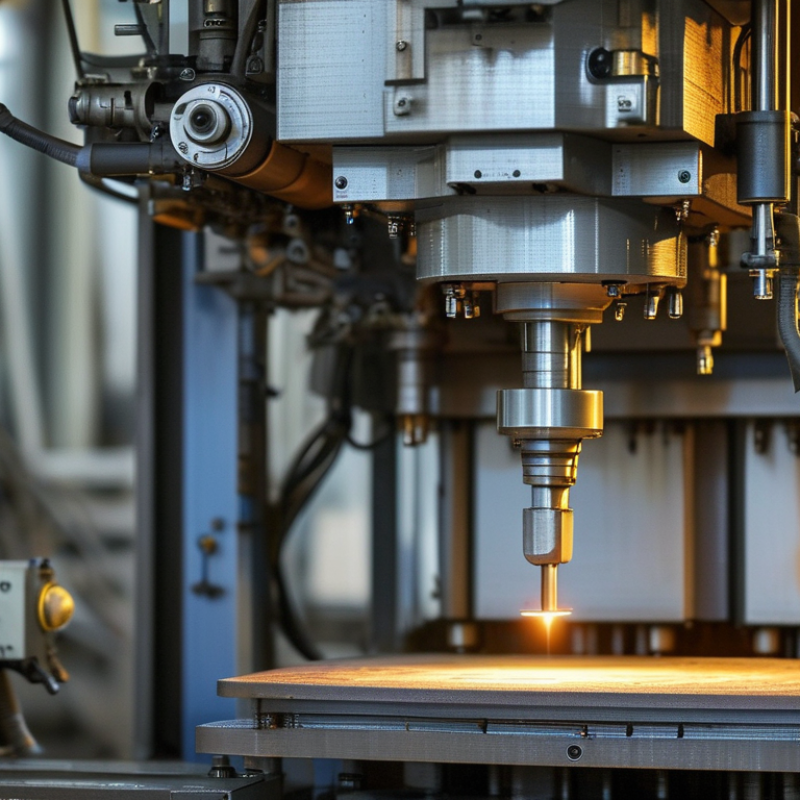
In 2026, injection molding machines are increasingly essential for manufacturing. They shape thermoplastics and thermosetting plastics into precise components. The market is evolving with technology and sustainability concerns. Energy efficiency is now a priority for many manufacturers. Machines are designed to minimize waste and enhance productivity.
Being knowledgeable helps in making better choices. When selecting a machine, consider the energy consumption rates, cycle times, and material compatibility. Do not overlook the importance of customer support. A reliable service team can make a significant difference when troubleshooting.
Innovative features are common in newer models. These include enhanced automation and better control systems. However, some advancements can lead to unforeseen issues. It's crucial to thoroughly evaluate the benefits and potential challenges before purchasing. Engaging with industry experts can provide insights on the latest trends and technology. This approach will guide buyers toward making informed decisions in a competitive market.
Key Features to Consider When Choosing an Injection Molding Machine
Choosing the right injection molding machine can significantly impact production efficiency and product quality. Key features to consider include the machine's clamping force, injection speed, and versatility. Clamping force is critical as it must be sufficient to hold the mold in place during injection, with industry standards suggesting a range of 2-5 tons for every ounce of plastic injected. This ensures consistent part quality and reduces defects.
Injection speed also plays a vital role. A faster injection speed can lead to smoother finishes and better surface quality. However, excessive speed can cause air entrapment, which compromises part quality. The balance between speed and precision is essential, as reported by the International Plastics Association which noted that 30% of manufacturers struggle with speed optimization in their processes.
Tip: Consider your specific production needs before selecting a machine. The versatility of the machine can save costs in the long run, whether you are producing large batches or custom parts.
Finally, pay attention to the control system of the machine. Advanced systems offer real-time monitoring and adjustments, which can enhance reliability. However, operating complex controls may require specialized training. Companies should reflect on their team's skill levels before investing in high-tech machines.
Top Manufacturers of Injection Molding Machines for Global Markets
The global market for injection molding machines is dynamic and competitive. Leading manufacturers are continuously evolving their technologies to meet diverse demands. Players in this sector focus on energy efficiency, precision, and ease of use. Advanced automation and IoT integration are key trends, allowing for better production management.
Manufacturers often face challenges in balancing innovation with cost. While many strive for cutting-edge features, it can lead to higher prices, which may not appeal to all buyers. Adapting to customer needs requires constant feedback loops and adjustments. This adaptability is crucial for success in various regional markets.
Sustainability is becoming a significant factor in machine design. Companies are exploring eco-friendly materials and processes. However, implementing these changes can be complex and costly. It's an ongoing reflection for manufacturers aiming to lead in this evolving landscape.
Emerging Technologies in Injection Molding: Trends to Watch
Emerging technologies in injection molding are reshaping the industry landscape. Automation is at the forefront, allowing for streamlined operations. Advanced robotics can handle repetitive tasks with precision. This boosts production speed and reduces labor costs. However, companies must balance automation with human oversight to maintain quality.
Sustainability is another key trend. Biodegradable materials are becoming popular, addressing environmental concerns. New techniques, such as organic additives, enhance the performance of these materials. Yet, the industry still grapples with the challenge of scaling these sustainable practices without compromising efficiency.
Data analytics is transforming decision-making in injection molding. Real-time monitoring helps identify issues before they escalate. However, businesses must invest in training staff to interpret data effectively. As technologies evolve, the need for skilled workers will continue to rise. This presents a challenge in an industry often reliant on traditional methods. Continuous adaptation is crucial for staying competitive.
Cost Analysis and Budgeting for Injection Molding Equipment in 2026
When considering the best injection molding machines for 2026, cost analysis plays a vital role. Buyers must evaluate the overall expenses, including purchase price, maintenance, and operation costs. A high initial investment might seem daunting, but inferior machines often lead to larger hidden costs. Refurbished options may seem budget-friendly, yet they can incur unexpected repairs. It's crucial to examine long-term value, not just upfront costs.
Budgeting effectively requires thorough research. Buyers should account for the machine's energy consumption and materials waste. Efficient machines save money on operational costs. However, less efficient models can inflate overall spending. Procurement managers should seek expert consultations to navigate complex specifications and options. Understanding the nuances of each machine type can lead to informed choices.
The unpredictability of market prices also complicates budgeting. Trends in material costs can fluctuate greatly. Companies may need to reassess their budgets mid-process. Ensuring flexibility allows for adjustments in direction, based on evolving needs. Investing in training for staff can further streamline processes, offsetting some costs. This strategic approach fosters resilience in an ever-changing market landscape.
 English
  Français