10 Best Plasma Cutters for Industrial Use in 2026

    Choosing the right Plasma Cutter for industrial work involves more than comparing amperage, price, or brand reputation. A machine may cut thick steel quickly, yet struggle with thin stainless sheet. Another may produce clean edges but lack the duty cycle required for a busy fabrication floor. These differences become visible beside the workbench, where sparks, heat, noise, and worn consumables reveal a cutter’s real performance.

    Industry educator Jim Colt offers a useful principle: “Match the plasma process to the material, thickness, and cut quality required.” That advice guides this review of the 10 Best Plasma Cutters for Industrial Use in 2026. Each model is considered through practical criteria, including cutting capacity, rated duty cycle, arc stability, torch ergonomics, CNC compatibility, consumable availability, and after-sales support.

    Real conditions matter.

    A workshop may cut six-millimeter mild steel in the morning, then face twenty-millimeter plate after lunch. Voltage fluctuations, compressed-air moisture, grounding problems, and incorrect travel speed can also damage results. Even an expensive Plasma Cutter cannot compensate for poor setup. This is where product claims need careful examination.

    No ranking is perfect. Some specifications depend on laboratory testing, while field results vary with operator skill and maintenance. The selected machines therefore receive a balanced review, including limitations, overlooked costs, and situations where a cheaper unit may be the wiser choice. Safety remains essential throughout, especially with high heat, ultraviolet radiation, fumes, and electrically powered equipment. Expect practical guidance, not exaggerated promises.
    10 Best Plasma Cutters for Industrial Use in 2026

    Understanding Plasma Cutters for Industrial Applications

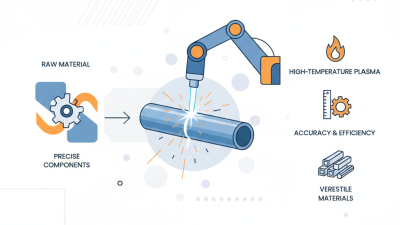
    Industrial plasma cutters convert compressed air and electrical energy into a focused arc that melts metal and removes it through high-speed gas flow. In industrial applications, cutting quality depends on more than amperage. Material thickness, duty cycle, air purity, torch height, and pierce control directly affect edge squareness and consumable life.

    The 2024 World Steel Association report recorded approximately 1.89 billion tonnes of crude steel production worldwide in 2023. That scale explains why fabrication shops need repeatable cutting, not merely impressive peak power. ISO 9013:2017 classifies thermal-cutting quality through dimensional accuracy, angularity, and surface roughness. A capable machine should maintain these results across carbon steel, stainless steel, and aluminum. In practice, a clean, dry air line can matter as much as the power supply. This is easy to underestimate.

    Safety also shapes industrial selection. OSHA’s 29 CFR 1910.1026 sets an 8-hour exposure limit of 5 micrograms per cubic meter for hexavalent chromium, which may occur when cutting stainless steel. OSHA’s 29 CFR 1910.95 establishes an 8-hour permissible noise exposure limit of 90 decibels. Local extraction, suitable respiratory controls, hearing protection, and enclosed cutting areas are therefore part of the equipment decision. A higher-rated cutter is not automatically better. I have seen specifications look excellent on paper, while unstable air pressure produced rough edges and frequent restarts. That gap deserves careful testing.

    10 Best Plasma Cutters for Industrial Use in 2026

    Understanding Plasma Cutters for Industrial Applications

    The chart compares representative industrial plasma cutter classes by rated output current and recommended maximum mild-steel cut thickness. Higher amperage generally supports thicker material, while actual performance depends on duty cycle, air quality, torch condition, travel speed, material type, and operating voltage.

    Key Features and Performance Criteria for Comparing Plasma Cutters

    10 Best Plasma Cutters for Industrial Use in 2026

    Comparing plasma cutters requires more than checking maximum amperage. The U.S. Bureau of Labor Statistics projects a 2% decline in welding-related employment from 2023 to 2033, increasing pressure on productivity and operator efficiency. A suitable industrial cutter should deliver stable arcs, fast piercing, clean kerfs, and repeatable results across long shifts.

    Duty cycle matters. A 60% rating at 80 amps means six minutes of cutting within ten minutes. Input power also deserves attention, especially in workshops with limited electrical capacity. Check rated cut thickness, not only the advertised maximum. ISO 9013:2017 provides useful quality classifications for thermally cut surfaces, including edge roughness and angularity. Air pressure, air cleanliness, torch cooling, and consumable life affect those results. Grand View Research’s 2024 analysis identifies automation and process efficiency as major forces in the industrial cutting equipment market. That supports choosing machines with CNC compatibility, clear diagnostics, and stable height control.

    Tips: Test three plate thicknesses before purchasing. Record pierce time, dross, kerf width, and consumable wear. Keep the air dry. A high amperage rating can still mislead. I would also inspect service access, cable flexibility, and noise levels. These practical details often matter more than a polished specification sheet. No single score fits every fabrication floor, and duty-cycle claims can feel optimistic under heat, dust, and continuous production.

    Top 10 Plasma Cutters for Industrial Use in 2026

    Top 10 Plasma Cutters for Industrial Use in 2026

    A practical 2026 shortlist should compare duty cycle, cut thickness, arc stability, and service access. These details matter more than advertised peak amperage.

    1. The first choice is a high-duty 120-amp unit for thick plate and continuous fabrication.
    2. The second is a 105-amp, three-phase cutter built for long production shifts.
    3. A portable 85-amp model suits maintenance crews moving between work areas.
    4. The fourth is optimized for compressed-air efficiency, helping control operating costs.
    5. The fifth offers CNC-ready control for repeatable profiles.
    6. The sixth combines 65-amp output with a compact cabinet for smaller industrial cells.
    7. The seventh is designed for stainless steel and aluminum, where clean starts matter.
    8. The eighth includes torch-height compatibility for automated tables.
    9. The ninth emphasizes replaceable consumables and simple internal access.
    10. The tenth is a rugged 45-amp machine for repair bays and lighter structural work.

    Look closely. In practical selection, a stable pilot arc, clear controls, and dependable cooling often outweigh extra amperage. A cutter reaching 100 amps but overheating quickly is not a strong industrial tool.

    Check input power, air-quality requirements, cable length, and local service support before ordering. Moisture in the air line can damage consumables and distort the cut edge. I would also test a sample plate, because real results can differ from the specification sheet.

    No shortlist is perfect. Operators should record kerf width, piercing time, slag, and consumable wear during a full shift. Safety interlocks, suitable eye protection, ventilation, and trained operation remain essential in every workspace.

    How to Choose the Right Plasma Cutter for Your Facility

    Choosing a plasma cutter for industrial use starts with the facility, not the catalog. Measure the thickest metal your team cuts weekly. Then add a modest capacity margin. A machine rated for occasional thick plate may struggle during repeated production runs. Duty cycle matters here. A high amperage rating means little if thermal protection interrupts work.

    Match the cutter to your power supply and workspace. Check input voltage, phase requirements, and available circuit capacity before ordering. Clean, dry compressed air is essential for stable arcs and longer consumable life. Moisture can create rough edges, excess dross, and early electrode wear. Air quality is easy to overlook. It should not be.

    For CNC tables, verify torch height control, pilot arc behavior, cable reach, and software compatibility. Hand cutting requires different priorities, including balance, trigger comfort, and visibility around the nozzle. I have seen operators choose maximum power and later regret the machine’s weight and operating cost. A practical test should include mild steel, stainless steel, and aluminum from your actual production range. Inspect edge squareness, kerf width, piercing time, and noise levels. A perfect sample cut can mislead. Operators should also review guarding, ventilation, eye protection, and local workplace requirements before regular use. Keep replacement consumables available, but question the supplier’s claimed service life against your cutting schedule.

    Safety, Maintenance, and Operating Considerations in Industrial Cutting

    Industrial plasma cutting rewards disciplined setup more than maximum amperage.

    Before starting, inspect the torch lead, ground clamp, air filter, and work return path. Moisture in compressed air can damage consumables and create unstable arcs. Keep the cutting table clear of slag and flammable debris.

    Safety controls must match the machine’s output. The U.S. Bureau of Labor Statistics recorded 5,283 fatal workplace injuries in 2023, showing why routine controls cannot become optional.

    Use suitable eye, face, hand, hearing, and respiratory protection. Plasma arcs generate ultraviolet radiation, noise, metal fumes, and sparks.

    OSHA’s noise standard uses 90 dBA over eight hours as an exposure limit, while NIOSH recommends a more protective 85 dBA level. Measure noise near the operator, not beside the machine. Small differences matter.

    Tips:

    Use a daily checklist. Verify ventilation before striking an arc. Replace worn electrodes early. Do not stretch consumables beyond stable cut quality.

    Record pierce counts and air pressure; these notes reveal gradual failures. A monthly inspection should include cables, torch insulation, cooling airflow, and emergency stops.

    Maintenance intervals often look simple on paper, but production dust changes them. That is the part many plans miss.

    Review the schedule after heavy plate work, frequent piercing, or visible fume buildup. Calibration records and operator training should remain accessible for audits and shift handovers.