
Best Poultry Slaughtering Equipment Supplier in China?

    Choosing the best poultry slaughtering equipment supplier in China is not simply a price comparison. The decision affects line capacity, product consistency, cleaning routines, and future maintenance. The OECD-FAO Agricultural Outlook 2024–2033 identifies poultry as a leading contributor to projected growth in global meat production. That outlook makes dependable processing capacity an important consideration for buyers planning new or expanded facilities.

    A practical evaluation starts with the actual production line. Can the supplier explain how scalding, defeathering, evisceration, chilling, and conveying equipment work together at the requested throughput? Ask for equipment specifications, material details, installation plans, and maintenance guidance. Check whether proposed capacity matches your bird size and shift schedule; a headline figure may not reflect real operating conditions. Small details matter. A clear spare-parts list and accessible technical support can save time when a line stops. Still, a polished brochure proves little by itself. Compare references, request evidence of comparable installations, and clarify what commissioning support includes. FAO publications on food processing and handling also provide useful context for assessing hygiene and operational practices, but buyers should verify each supplier’s claims directly. This guide examines the criteria behind a reliable choice of poultry slaughtering equipment in China, while recognizing that no supplier is the right fit for every plant. The best decision balances documented performance, service capability, and the realities of your facility.
    Best Poultry Slaughtering Equipment Supplier in China?

    What Poultry Slaughtering Equipment Suppliers in China Provide

    Best Poultry Slaughtering Equipment Supplier in China?

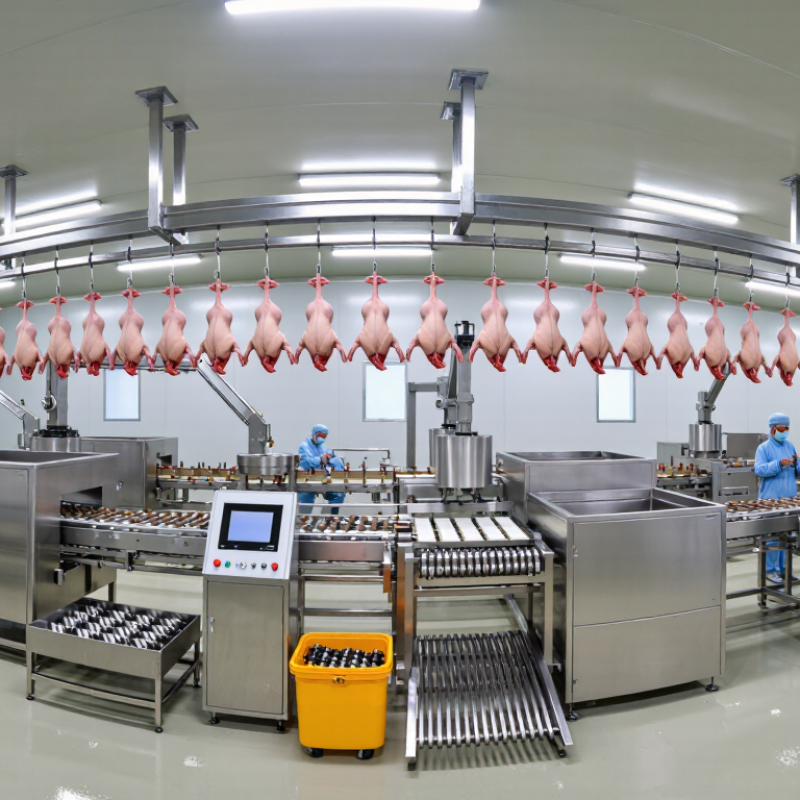
    Poultry slaughtering equipment suppliers in China typically provide integrated or modular processing lines. Common equipment includes receiving and hanging systems, stunning units, bleeding conveyors, scalding tanks, defeathering machines, evisceration stations, inspection points, and carcass chillers. Some suppliers also offer weighing, grading, packing, and wastewater-treatment equipment. The exact scope varies. Buyers should ask whether installation, operator training, spare parts, and commissioning support are included.

    Capacity matters, but so does product consistency. The OECD-FAO Agricultural Outlook 2024–2033 projects global poultry meat production to grow by 16% over the outlook period. That growth increases demand for dependable processing, yet a larger line is not automatically a better fit. Match hourly output to bird size, shifts, available floor space, water supply, and cold-room capacity. Ask for documented throughput figures and a clear layout before comparing quotations.

    Details reveal a supplier’s practical experience. Request food-contact material specifications, cleaning procedures, maintenance intervals, and equipment test records. Check how workers access evisceration and cleaning points; cramped spaces can slow routine work. Be cautious when a proposal gives a single capacity figure without explaining operating conditions. It is an imperfect comparison. A site visit or reference installation can help confirm what the machinery actually delivers.

    How to Assess Equipment Quality, Capacity, and Compliance

    Choosing a poultry slaughtering equipment supplier in China takes more than comparing quoted line speeds. FAOSTAT production data records over 140 million tonnes of poultry meat worldwide in 2022, underscoring the importance of dependable throughput. Rated capacity, however, is not sustained output. Numbers can mislead.

    Ask for a witnessed acceptance test using your target bird weight, shift length, and staffing plan. Record birds per hour, stoppage time, water use, and reject rates. Request operating data from comparable installations. Inspect welds, drainage, belt tracking, guards, and whether cleaning crews can reach hollow frames and joints. A polished showroom tells little.

    For hygiene, review design documents against Codex Alimentarius CXC 1-1969, General Principles of Food Hygiene, including its HACCP-based approach. Request material certificates, electrical drawings, cleaning instructions, and traceable component lists, then check requirements in the destination market. Codex guidance does not replace local rules or plant-specific review. I would not accept a certificate alone. Commissioning, operator training, and replacement-part response times also deserve written terms.

    Poultry Slaughter Line-Speed Benchmarks for Supplier Assessment

    U.S. federal rules allow a maximum line speed of 140 birds per minute under the traditional inspection system and up to 175 under the New Poultry Inspection System (NPIS). These are regulatory limits, not guaranteed equipment throughput; actual capacity depends on the installation and operating conditions. Assess compliance alongside equipment quality and documented performance. Source: USDA FSIS.

    Which Slaughtering and Processing Systems Suit Different Poultry Operations

    Which Slaughtering and Processing Systems Suit Different Poultry Operations

    Poultry plants need equipment matched to bird volume, labor, and product mix. A small processor may need a compact line with controlled shackling, scalding, plucking, evisceration, and chilling. Modular stations can support gradual expansion, though manual handling may limit throughput and consistency. Scale matters. Larger plants often need automated conveyors, calibrated defeathering machines, and integrated chilling systems. These reduce bottlenecks, but only when maintenance, water supply, and trained operators are planned alongside capacity.

    FAO’s 2024 Statistical Yearbook reports that poultry contributes roughly 40% of global meat production, underscoring the need for dependable, appropriately sized processing systems.

    For high-volume operations, an integrated line can coordinate stunning, bleeding, scalding, plucking, evisceration, inspection, and chilling. The right line speed depends on bird size and the plant’s ability to maintain hygienic handling at every station. OECD-FAO Agricultural Outlook 2024–2033 projects poultry will account for about 45% of additional global meat production over the outlook period. That growth does not mean every plant should buy the fastest system. Smaller or mixed-species facilities may benefit more from flexible equipment and changeover space.

    I would recheck one assumption: advertised capacity rarely reflects real output when cleaning, maintenance, and staffing are included. Ask suppliers for operating data under comparable conditions, including water use, downtime, and chilling performance.

    How to Compare Chinese Suppliers, Pricing, and After-Sales Support

    When comparing Chinese poultry slaughtering equipment suppliers, start with the process you actually need, not a catalogue’s largest capacity figure. List bird size, target throughput, floor space, and connections to existing scalding, defeathering, or chilling units. Ask for a layout drawing and a written scope showing which conveyors, controls, guards, and water connections are included. Details matter. Request a live video of a comparable line running, and ask how output changes during cleaning or routine adjustments.

    Compare quotations line by line. Separate machine price from packing, freight, installation, commissioning, training, and recommended spare parts. A low quote may omit a control cabinet or site work; a higher quote may include useful support, but verify every item. Ask for material specifications, motor details, warranty exclusions, and a realistic delivery schedule. For after-sales support, get response hours, remote troubleshooting steps, technician availability, and spare-part lead times in writing. Ask who responds when a sensor fails during a shift, and what information they need. No answer? That is a warning, though not proof of poor service. Even a careful checklist has limits; review technical claims with your engineers and allow contingency for commissioning.

    Steps for Selecting and Verifying a Poultry Equipment Supplier

    Choosing a poultry slaughtering equipment supplier starts with a clear production brief. Define the bird weight range, target throughput per hour, available floor space, and water supply. These details shape the line, from scalding and defeathering to evisceration and chilling. Ask for a layout drawing and a written capacity estimate. Details matter. Check whether quoted output reflects steady operation or a short test run. Request material specifications, equipment dimensions, utility requirements, and maintenance intervals in writing. Compare these against your site conditions, not just the purchase price.

    Verify the supplier with a live or recorded equipment trial using birds close to your expected size. Observe carcass handling, cleanliness, noise, and how quickly operators can access routine service points. Ask for customer references with similar line capacity, then confirm spare-part availability and typical response times. Ask for proof. Review inspection records, component lists, and warranty terms before agreeing on acceptance criteria. A factory visit helps, but one staged run cannot prove long-term reliability. That limitation deserves attention. Have a qualified technician review the proposed layout and installation plan. Keep a written record of promised performance, training, and support; vague assurances are difficult to assess later.