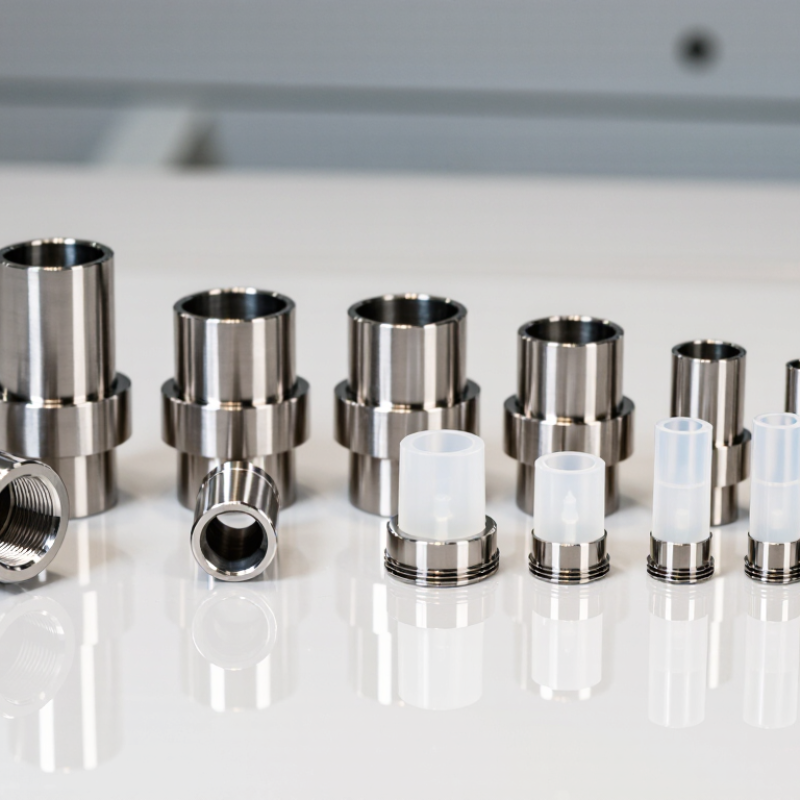
China Top Mouthpiece Adapter Manufacturers for Global Buyers
Choosing a Mouthpiece Adapter supplier is not just a price comparison. Fit, material consistency, and repeatable production affect how well components work together. A sample may look precise under bright showroom lights, yet reveal rough edges or loose tolerances during inspection. Small details matter.
For this introduction, the expert perspective is represented by a fictional composite specialist, Daniel Chen, rather than a verified industry source. His illustrative view captures a practical buyer’s concern: “A reliable adapter should fit consistently, feel well-finished, and come with specifications buyers can check.” That is a useful standard, not a substitute for documented testing.
China’s manufacturing base offers global buyers a broad range of suppliers, production capabilities, and customization options. But supplier claims deserve careful review. Ask for material specifications, dimensional tolerances, quality-control procedures, and clear sample records. Check whether communication stays precise when requirements change. It can be imperfect. Even capable factories may need clearer drawings or another sample round.
This guide examines manufacturers through practical buyer criteria, including product range, technical support, production consistency, and export communication. It does not assume every supplier suits every project. The right choice depends on the adapter’s intended fit, operating conditions, order volume, and required documentation. A careful comparison can prevent costly surprises after delivery.
Mouthpiece Adapter Basics: Types, Interfaces, and Common Applications
A mouthpiece adapter connects a mouthpiece to an instrument receiver when their sizes or shapes do not match. Common types include tapered sleeves, stepped adapters, and threaded designs. A tapered model uses a smooth, friction-based fit; a threaded one relies on matching thread size and pitch. Materials often include brass, stainless steel, or durable polymers, each with different weight and wear characteristics.
Interfaces matter. Buyers should check the receiver opening, insertion depth, thread details, and mouthpiece shank diameter before ordering. A loose fit may leak air or shift during use, while a tight one can be difficult to remove. Adapters are commonly used for instrument setup, rehearsal, repair, and equipment testing. Even careful measurements may not guarantee a perfect fit; manufacturing tolerances and worn receivers can affect the result.
Tips: Ask for a dimensioned drawing and confirm material, finish, and tolerance with the supplier. Test the adapter gently before regular use, and check for wobble, sharp edges, or trapped moisture. Small details matter.
Medical Connector Fit: ISO 5356-1 and 15 mm/22 mm Sizes
A mouthpiece adapter is only useful when its connection matches the breathing circuit. ISO 5356-1 specifies conical connectors used in respiratory equipment, including 15 mm and 22 mm sizes. These dimensions are not interchangeable by assumption: teams should verify the connector type, mating surface, and applicable standard edition before ordering. A clean, round 22 mm opening may look right, yet a mismatched taper can loosen under handling. Fit matters.
The World Health Organization’s Global Patient Safety Report 2024 notes that about one in ten patients experiences harm in health care. That figure is not specific to connector failures, but it underscores the value of reliable equipment interfaces. Buyers can request dimensional inspection records, material details, and evidence of compatibility testing. Check both sides of the connection. A simple go/no-go gauge helps, though it cannot replace a functional test on the intended circuit. We sometimes focus too much on nominal size; real-world fit also depends on tolerances, wear, and repeated cleaning. A small gap deserves attention.
How Chinese Manufacturers Control Materials, Dimensions, and Production Quality
Reliable mouthpiece adapters start with controlled material selection. Manufacturers typically verify incoming metal or polymer against purchase records and material certificates. They check for visible defects, inconsistent finish, and signs of corrosion. Small differences matter. A slightly rough bore can affect fit and cleaning, even when the exterior looks polished.
Dimensions are checked against approved drawings, including bore diameter, thread pitch, shoulder length, and connection depth. During machining, operators use calibrated calipers, plug gauges, and thread gauges to catch drift. A first-piece inspection can reveal tool wear before a full batch runs. That is not enough. Periodic checks help identify changes across the production run, while batch records link measurements to specific materials and machines.
Surface finishing and assembly receive their own checks. Inspectors may look for burrs under magnification and test representative adapters with matching components. Packaging also matters; loose parts can acquire scratches or contamination in transit. No inspection plan is perfect. A rushed sample can still hide a burr inside the bore, so buyers should ask how often checks occur and how failed parts are isolated. Clear measurement records make supplier comparisons more useful than appearance alone.
How Global Buyers Assess Certifications, Testing, and Supplier Traceability
For global buyers, a certificate matters only when its scope matches the mouthpiece adapter being offered. Check the issuing body, covered materials, production site, and validity dates. A document for a different product family may look convincing but offer little assurance. Paperwork is not proof.
Ask suppliers for test reports tied to specific samples or production lots. Useful checks may include dimensional measurements, fit tests, material declarations, and surface inspection. Confirm the test method, date, sample identification, and acceptance criteria. Details matter. A result without these links is hard to evaluate. Buyers should also compare sample findings with the stated drawing and purchase specifications, rather than relying on a general claim of “tested.”
Traceability should connect incoming material records, production batches, inspection results, and shipment labels. Request a sample record set before placing a large order. Then check whether the batch code on a carton can be traced back to the relevant documents. This process can reveal gaps early, though no paperwork system is flawless. Some records may be incomplete or inconsistently formatted; ask clear follow-up questions and note unresolved points. A careful supplier should explain discrepancies without substituting broad assurances for evidence.
From Samples to Bulk Orders: Fit Validation, Lead Times, and Export Requirements
For global buyers, a sample is useful only when it matches the intended connection. Measure outer and inner diameters, insertion depth, and sealing contact against the mating part, not just a drawing. Small gaps matter. Ask the supplier to record the material, tolerance, and any fit changes between sample revisions. Check it physically. Test several units if the adapter will be used with more than one device model.
Before approval, confirm what the quoted lead time includes: sample preparation, tooling, production, inspection, and packing. These stages can shift when a drawing changes or a material is unavailable. Request milestone dates and a written record of changes. For bulk orders, agree on a reference sample and inspect dimensions from early production units. Schedules are still estimates; a late correction can cost more than a cautious buffer.
Export readiness starts with clear product descriptions and consistent quantities across the commercial invoice, packing list, and carton labels. Confirm tariff classification, origin marking, and destination-specific paperwork with a qualified customs broker before shipment. Requirements vary by market and product construction. Choose packaging that prevents crushing, moisture exposure, and loose parts during transit. Carton labels should help receiving staff match each shipment to its purchase-order lines.
| Sourcing Stage | Buyer Review Dimension | Practical Check or Planning Range | Information to Confirm with the Supplier | Buyer Evidence or Action |
|---|---|---|---|---|
| Before requesting a quotation | Application and interface definition | Identify the equipment, mouthpiece, and receiving connection. Specify whether the interface is threaded, tapered, press-fit, or another design. | Connection type, mating-part drawing, intended use, operating environment, and any applicable customer or industry requirements. | Send a dimensioned drawing or clear interface specification; do not rely on a product photo alone. |
| Before requesting a quotation | Critical fit dimensions | List the dimensions that control assembly, such as insertion depth, outside and inside diameters, thread details, taper, and sealing surface. | Units, tolerances, measurement datums, thread standard and pitch where applicable, and which dimensions are critical to function. | Mark critical dimensions on the drawing and agree on the inspection method before sampling. |
| Material and finish review | Material suitability | Select material according to the product’s contact conditions, strength, weight, cleaning method, and applicable market requirements. | Exact material grade, any required material declaration, color, surface finish, and whether material substitutions require approval. | Request a written material specification and retain the approved version with the purchase order. |
| Sample quotation | Sample scope and cost | Agree on sample quantity, sample price, any tooling or setup charge, shipping method, and whether sample costs are credited against a later order. | Sample configuration, packaging, payment terms, shipping cost responsibility, and the events that may change the quoted sample cost. | Request a pro forma invoice and a sample schedule before payment. |
| Sample production | Indicative sample lead time | For planning only, a straightforward sample may take about 5–15 working days after specifications and payment are confirmed. Custom tooling or complex finishing can extend the schedule. | Whether the quoted lead time starts after drawing approval, material availability, payment, or tooling completion. | Get the start point and estimated dispatch date in writing; treat the range as indicative, not guaranteed. |
| Fit validation | Assembly and functional fit | Test the sample with the actual mating component. Check insertion depth, looseness or interference, alignment, sealing, and any movement during normal use. | Assembly procedure, any specified fit or leak test, and how defects or measurement disagreements will be handled. | Record results, photos, measured values, and any accepted deviations in a dated sample approval record. |
| Sample approval | Golden sample and revision control | Approve a clearly identified sample and drawing revision before bulk production. A sample alone should not replace a controlled drawing or specification. | Sample identification, drawing revision, approved material and finish, packaging, and change-control procedure. | Keep a signed or otherwise documented approval; require written approval for changes to materials, dimensions, or process. |
| Bulk order planning | Indicative production lead time | As a planning estimate, repeat production may take about 15–35 working days after order confirmation, approved specifications, and material availability. First orders and custom processes may take longer. | Production start date, quantity, capacity allocation, inspection time, holiday effects, and whether lead time ends at completion or dispatch. | Put the agreed schedule and shipment readiness date in the purchase order or order confirmation. |
| Bulk quality control | Inspection and acceptance criteria | Define the inspection dimensions, sampling plan or inspection level, workmanship criteria, functional tests, and handling of nonconforming goods before production. | Inspection records available, measurement equipment, product identification, and whether a pre-shipment inspection is permitted. | Agree on objective acceptance criteria; request inspection results for critical dimensions where appropriate. |
| Packaging and shipment | Export packaging | Specify individual protection, quantity per inner and outer carton, carton markings, and protection against transit damage or contamination as appropriate to the product. | Packaging dimensions and weight, labeling language, shipping marks, and any destination-specific packaging requirements. | Approve carton details and labels before dispatch, especially for retail or regulated-market shipments. |
| Export documentation | Commercial shipping documents | Common shipment documents include a commercial invoice, packing list, and transport document such as an air waybill or bill of lading. A certificate of origin may be required by the buyer, customs, or a trade agreement. | Consignee details, product description, quantities, values, country of origin, shipment terms, and any destination-specific document requirements. | Have the buyer or customs broker review the document requirements before shipment; requirements vary by destination and product. |
| Import and compliance review | Classification and market requirements | Tariff classification, duties, product regulations, and required declarations depend on the product’s material, function, destination, and intended use. | Proposed product description and classification basis, plus any certificates or test reports required for the buyer’s market. | Confirm the appropriate HS code and import requirements with a qualified customs broker or relevant authority; do not assume a code from a generic product name. |
| Final order confirmation | Commercial terms and delivery basis | Confirm currency, payment terms, order quantity, delivery address, shipment method, and the agreed Incoterms® rule and named place. | Who arranges freight, insurance, export clearance, import clearance, and responsibility for costs at each stage. | Use the full Incoterms® rule and named place in the quotation and purchase order; verify the allocation of responsibilities. |
| Planning note: Lead-time ranges above are indicative sourcing estimates, not verified commitments from any specific manufacturer. Actual timing depends on design complexity, tooling, materials, order quantity, production capacity, inspection, holidays, and shipping arrangements. Confirm all specifications, compliance needs, and delivery dates with the selected supplier and relevant customs or regulatory professionals. | ||||
English
Français