China Top Heavy Duty Cantilever Racking System Supplier?
Choosing a China-based Heavy Duty Cantilever Racking System supplier is not just a price comparison. The right system must suit the stock, handling equipment, and available floor space. Long steel sections, timber boards, and pipe bundles place different demands on arm length, load rating, and rack layout. Small details matter.
A reliable supplier should explain how its design matches your actual loads. Ask for clear specifications, such as rated capacity per arm and per column, material and finish details, and installation requirements. Request drawings that show aisle widths and forklift access. Then compare like with like. A low quotation can leave important items unclear.
Supplier experience matters. So does documentation. Check whether the company can provide project references, production details, inspection records, and support after delivery. Visit the factory if practical, or request a live video walkthrough. Look closely at welds, base plates, and the consistency of the uprights. These checks cannot replace independent engineering review, but they can reveal useful questions. No shortcut here.
A named industry expert’s quotation would strengthen this introduction, but no verifiable source or expert statement was provided. Rather than inventing an attribution, this guide focuses on evidence buyers can check. The best supplier is not automatically the largest or cheapest. It is the one that can explain its design choices, show relevant experience, and answer specific questions without vague promises. That standard helps buyers compare China’s leading suppliers with more confidence—and notice what still needs review.
What Is a Heavy-Duty Cantilever Racking System?
China Top Heavy Duty Cantilever Racking System Supplier?
What Is a Heavy-Duty Cantilever Racking System?
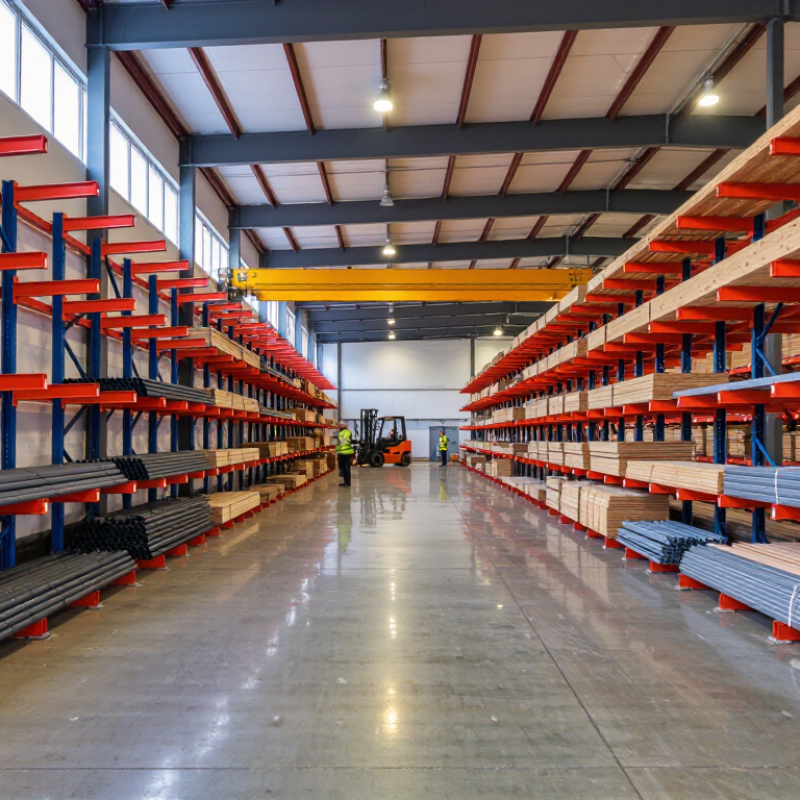
A heavy-duty cantilever racking system stores long, bulky items that do not fit neatly on standard pallets. It uses vertical steel columns, horizontal arms, and base supports. Bracing links the columns into stable rows. No front upright blocks access. Forklifts can approach loads from the aisle, which helps when handling steel tubes, timber, pipes, or sheet materials.
Each arm supports a rated load, while the columns and bases carry the combined weight. Those figures matter. Capacity depends on arm length, spacing, load shape, and weight distribution. A long bundle may bend or roll if support points are poorly placed. Before installation, check floor strength, anchoring, aisle width, and forklift reach. Small details change the plan.
During daily use, place loads evenly and keep projecting ends within the planned storage area. Inspect arms, column connections, anchors, and visible damage regularly. Outdoor installations may need corrosion protection, but a coating cannot fix poor drainage or neglected maintenance. In practice, the first layout is rarely perfect. Measure actual stock, not just catalog dimensions; bundles vary, and that mismatch can quietly reduce safe access.
How Does Its Design Support Long and Heavy Loads?
China Top Heavy Duty Cantilever Racking System Supplier?
Cantilever racks carry long loads on open arms, leaving no front uprights to obstruct pipes, timber, or steel sections. Their strength comes from the whole frame: columns resist bending, diagonal bracing limits sway, and baseplates transfer forces into the floor. Arm length and spacing must match the load’s dimensions and weight. A long beam projecting far beyond its column creates leverage; it is not a harmless extra inch.
The Rack Manufacturers Institute’s ANSI MH16.1 specification sets engineering requirements for industrial steel storage racks, including members, connections, and stability. A sound design therefore uses actual load data, not a rough “per arm” estimate. Operators should also check floor capacity, anchoring, and uneven load placement. The U.S. Bureau of Labor Statistics recorded 5,486 fatal work injuries across all industries in 2022; that figure is not rack-specific, but it underscores why structural decisions deserve care. See the BLS Census of Fatal Occupational Injuries. Small details matter. Honestly, site measurements are sometimes imperfect, so leave room to verify them before installation.
How Cantilever Rack Design Supports Long and Heavy Loads
Strong columns and cantilever arms transfer loads through braced frames to the floor. The chart compares specified minimum yield strengths for selected ASTM structural steel grades; these material values alone do not determine rack capacity. Arm length, load distribution, connections, bracing, and floor anchorage must also be considered.
Which Industries Use Heavy-Duty Cantilever Racking?
Heavy-duty cantilever racking is common in lumber yards, steel warehouses, and building-materials suppliers. These businesses store long or awkward loads that do not fit neatly on standard shelves. Timber beams, metal profiles, plastic pipes, and sheet goods can rest on open arms, with no front uprights blocking access. That matters when forklifts need to retrieve specific lengths quickly.
Manufacturers also use cantilever racks for furniture components, machine parts, and long production materials. A fabrication shop might store steel bars by length, keeping frequently used stock close to a cutting area. Automotive and equipment facilities may use them for items such as exhaust pipes or structural sections. Clear labels help workers identify sizes. Small detail, real impact.
The right setup depends on the load, not just the industry. Buyers should check arm capacity, column height, spacing, forklift access, and floor conditions before installation. Long steel sections may need more support points than lightweight trim. Outdoor yards also need protection suited to weather exposure. One mistake is assuming every long product can share the same rack layout. It cannot, always. In practice, reviewing actual load dimensions and handling routines usually reveals where the design needs adjustment.
China Top Heavy Duty Cantilever Racking System Supplier? - Which Industries Use Heavy-Duty Cantilever Racking?
| Industry | Typical Stored Materials | Why Cantilever Racking Is Used | Common Storage Considerations |
| Steel service centers and metal fabrication | Steel bars, tubes, pipes, structural sections, and sheet bundles | Open-front bays allow long and bulky stock to be loaded from the side without front columns obstructing access. | Select arm and column capacities for the actual load; account for bundle length, weight distribution, and forklift handling. |
| Lumber yards and wood-product manufacturing | Timber, dimensional lumber, plywood, boards, and other long wood products | Adjustable arms can accommodate different product lengths and package sizes while keeping stock accessible. | Consider product length, moisture and storage conditions, bundle stability, and safe clearance for handling equipment. |
| Construction materials distribution | Plastic pipe, metal conduit, mouldings, profiles, and other lengthy building materials | Cantilever arms support loads along their length and provide clear access for picking and replenishment. | Match bay depth and arm spacing to the product; use appropriate restraints where round or bundled loads could roll or shift. |
| Automotive and machinery manufacturing | Metal stock, extrusions, shafts, frames, and long machine components | Open storage makes irregular and oversized components easier to access than storage with a fixed front beam. | Assess load shape, center of gravity, handling method, and the need for dividers or protective supports. |
| Furniture and panel production | Long panels, trim, worktops, timber components, and packaged furniture parts | Adjustable arms and open bays can handle varying lengths and support organized storage by material type. | Protect finished surfaces, prevent sagging with suitable support spacing, and verify that loads remain stable during handling. |
| Building-products and window manufacturing | Long profiles, frames, sections, and packaged components | The unobstructed front makes it practical to store long items that are difficult to place on conventional pallet racks. | Use load supports suited to the profile shape and surface; plan aisle width for the equipment used to move the materials. |
Storage capacity and configuration depend on the rack design, load dimensions, load distribution, floor conditions, and handling equipment. Have the system specified and installed for the intended application.
How to Evaluate Cantilever Racking Suppliers in China
Evaluate a Chinese heavy-duty cantilever supplier by engineering evidence, not catalogue photos. Request drawings that state the load per arm and column, bay dimensions, steel grade, and anchoring requirements. Check whether the calculations match your actual stock: a bundle of long steel sections loads a rack differently from evenly spaced timber. Ask how welds are inspected and how production batches are traced. Small details matter.
Safety deserves close attention. The U.S. Bureau of Labor Statistics reported 4.8 recordable injury cases per 100 full-time workers in warehousing and storage in 2022, compared with 2.7 across private industry. This is a workplace risk benchmark, not a rating of Chinese suppliers. Still, it supports asking how the design addresses stability, access, and handling impacts. Request clear installation instructions and load signs, then have a qualified engineer review the proposed layout.
A supplier’s factory audit should cover material checks, welding controls, coating thickness, and final dimensional inspection. Ask to see inspection records for a recent production run, not just a polished sample. Confirm packaging protects arm ends and uprights during sea freight. If possible, test a sample bay with your own load and handling equipment. A certificate helps, but it cannot show how the rack fits your aisle. That gap is easy to miss.
What Should Buyers Check Before Placing an Order?
China Top Heavy Duty Cantilever Racking System Supplier?
What Should Buyers Check Before Placing an Order?
Before requesting a quote, record the longest, heaviest, and most awkward items you plan to store. Note their length, weight, and how loads will sit on each arm. A rack designed around average stock may not safely suit a few unusually heavy bundles. Ask for rated capacities per arm and per upright, plus drawings showing the proposed dimensions and load arrangement. Measure twice. Check forklift aisle width, mast height, and turning space against the layout, not just the rack footprint.
Confirm that the design matches the site. Ask what floor strength and anchoring details are required, and have a qualified professional verify the slab can support the planned loads. Check column height, arm adjustment increments, base dimensions, and finish suitability for your indoor or outdoor conditions. Drawings help, but site measurements can still miss a column or doorway. Recheck them.
Before placing an order, review what the quotation includes: engineering documents, installation, protective packaging, delivery schedule, and replacement parts. Request clear load labels and written guidance for inspection and maintenance. Compare warranty terms and confirm who handles damage or missing components on arrival. If a supplier cannot explain a capacity figure or provide supporting documentation, pause and ask for clarification. A low price is not useful if the specified rack does not fit your stock, equipment, or floor conditions.
 English
 Français