How to Choose a Diesel Pile Hammer in 2026?
Choosing a Diesel Pile Hammer in 2026 is not just a matter of comparing rated energy. The right choice must suit the pile, soil profile, installation depth, and available site equipment. A hammer that looks powerful on a specification sheet may perform poorly in dense layers—or prove excessive for a lighter pile. Details matter.
Pile-driving analysis specialist Dr. George A. Likins’ published work emphasizes analyzing hammer performance alongside pile and ground conditions. A practical summary of that approach is: “Match the hammer to the pile and the soil, then verify the expected driving response.” This is a paraphrase, not a verbatim quotation. For a real project, engineers should check manufacturer data and use appropriate drivability analysis. Field measurements can reveal what estimates miss.
Look beyond impact energy. Compare ram weight, stroke, fuel settings, cushion requirements, pile stresses, and maintenance access. Ask how the hammer behaves during startup and through changing soil layers. On site, a crew may notice slower blows, rising rebound, or an unexpected change in penetration. Those signals deserve investigation, not guesswork. And yes, selection can remain uncertain until the ground is tested. That uncertainty is worth stating plainly. This guide will explain how to evaluate key specifications, compare operating conditions, and identify questions to raise with suppliers and project engineers before choosing a Diesel Pile Hammer for 2026.
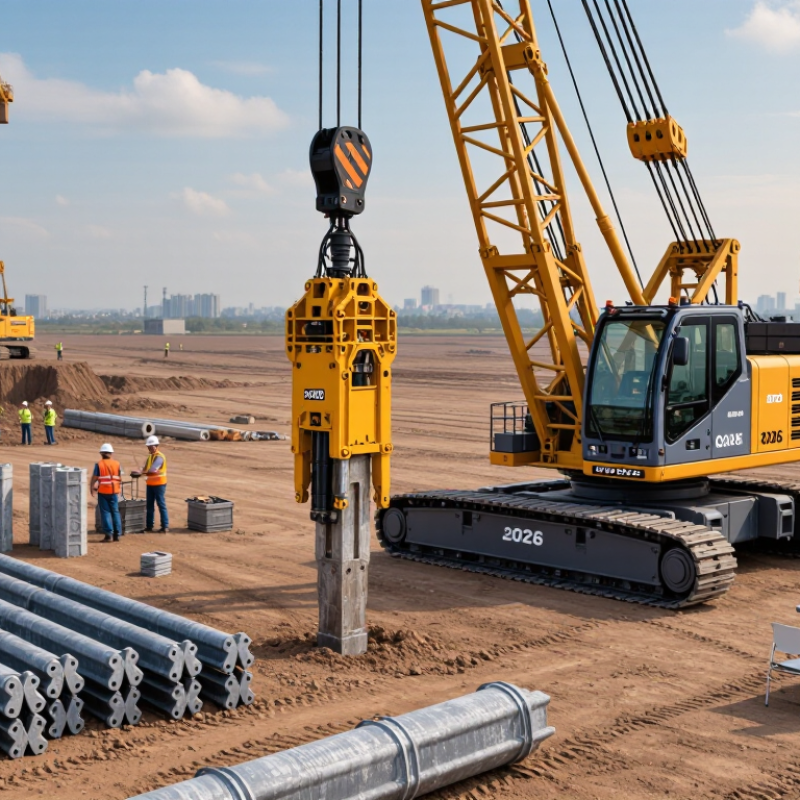
Define Pile Type, Diameter, and Required Axial Capacity in kN
Choosing a diesel pile hammer starts with the pile, not the hammer rating. Identify whether the pile is steel H-section, pipe, precast concrete, or timber. Record its outside diameter or section dimensions, wall thickness, length, and driving shoe. These details affect pile impedance and allowable driving stress. A large pipe pile may need more energy than a smaller section, but diameter alone does not establish capacity.
State the required axial capacity in kN and clarify whether it means service load or factored resistance. Also note compression or tension, and whether the value applies to one pile. FHWA’s 2016 manual, Design and Construction of Driven Pile Foundations, explains that capacity depends on soil resistance and installation, not pile size alone. It discusses wave-equation analysis and dynamic testing as tools for evaluating driveability and resistance. Useful evidence. Share the soil profile and target capacity with the engineer before selecting hammer energy.
Check that the hammer can reach the required resistance without overstressing the pile. ASTM D4945 describes high-strain dynamic testing using force and velocity measurements during impact. A field test can reveal whether the assumed resistance matches actual driving behavior. Keep a small uncertainty allowance in planning; soil layers can change sharply across a site. The perfect estimate is rare.
How to Choose a Diesel Pile Hammer in 2026
Define the pile type, diameter, and required axial capacity before screening hammer options.
These values are illustrative project requirements, not capacities inferred from pile diameter. Actual axial resistance depends on soil conditions, pile material, installation method, and design criteria. Select and verify a hammer using the project geotechnical data and the pile-driving system analysis.
Calculate Impact Energy from Ram Mass and Stroke: E = mgh
When comparing diesel pile hammers in 2026, start with the ram’s theoretical impact energy. Use E = mgh: m is ram mass in kilograms, g is 9.81 m/s², and h is the effective vertical stroke in meters. A 1,500 kg ram falling 2.0 m gives about 29,430 joules, or 29.4 kJ, before losses. Keep units consistent. A small stroke-measurement error can change the estimate noticeably.
That figure is potential energy, not a guarantee of energy delivered to the pile. Fuel combustion, mechanical friction, and impact conditions affect actual performance. Check the hammer’s operating data and use the stroke it can achieve under expected site conditions, not just its maximum rated stroke. It is easy to overtrust a neat calculation. Field readings may tell a less tidy story.
Use the estimate as one part of selection. Compare it with pile material, dimensions, soil conditions, and the required driving resistance. A hammer with excessive energy can damage a pile or its cushion; too little may slow installation. Ask the supplier or a qualified engineer to verify compatibility, then monitor blow count and pile response during driving. The equation is useful, but it is only a starting point.
Match Rated Hammer Energy in kJ to Soil Resistance and Pile Impedance
How to Choose a Diesel Pile Hammer in 2026?
Match Rated Hammer Energy in kJ to Soil Resistance and Pile Impedance
Rated energy is a starting point, not a guarantee of useful energy at the pile toe. Match the hammer’s kJ rating to expected soil resistance and the pile’s impedance, which depends on its material, cross-section, and wave speed. A heavy, stiff pile may transmit impact differently from a slender timber pile. Too little energy can stall driving; too much may cause damaging compression or tension stresses.
Review the soil profile, pile dimensions, and required penetration before selecting a hammer. A wave-equation analysis can estimate drivability and pile stresses, but its results depend on reliable soil inputs. Field behavior may differ, especially where dense layers, soft seams, or changing groundwater appear. Monitor blow counts and, where appropriate, dynamic measurements during installation. Adjust based on evidence, not rated energy alone. I have seen neat calculations miss an unexpected hard layer.
Tips: Compare rated energy in kJ with predicted resistance and pile impedance. Check stress limits, cushion condition, and measured driving response. Reassess if penetration per blow changes sharply. Keep a margin for uncertainty; the soil rarely follows the drawing perfectly.
Check Blow Count and Driving Stress Using ASTM D4945 High-Strain Testing
Choosing a diesel pile hammer in 2026 means matching its energy to the pile, soil, and required penetration. Rated energy alone can mislead. A hammer that is too powerful may create damaging compression or tension stresses, while an undersized hammer can stall in dense layers. Record the blow count as penetration progresses, noting changes in soil, pile cushion condition, and hammer operation.
ASTM D4945 high-strain dynamic testing adds measured evidence. Strain and acceleration sensors near the pile head record force and velocity during impact. From these signals, engineers can assess driving stresses and estimate pile resistance using appropriate analysis. Compare instrumented results with field blow counts: many blows for little penetration may indicate refusal, a hard layer, or changing soil resistance. Context matters.
Check compressive and tensile stress limits against the pile material and project criteria before adjusting hammer settings. Test representative piles when practical, and review results with a qualified engineer. A test captures a moment, not every future soil condition. Signal quality, sensor placement, and assumptions affect interpretation. It is not a perfect picture. Keep clear records of hammer settings, measured blows, penetration per blow, and test timing; small gaps in the log can complicate later decisions.
Compare 2026 Fuel, Noise, Emissions, and Maintenance Data Before Selection
How to Choose a Diesel Pile Hammer in 2026?
Compare fuel, noise, emissions, and maintenance figures under similar working conditions. A brochure’s hourly fuel estimate may not match a hammer driving piles through dense soil. Ask for recent operating records, noting pile type, ground conditions, idle time, and work completed per shift. Then compare fuel used per pile, not just per hour. Small differences add up across a long project.
Tips: Request noise readings at both the operator’s position and the nearest work boundary. Check the measurement method and distance; numbers taken at different points are not directly comparable. For emissions, review the specific unit’s documentation and confirm it fits the project’s site requirements. Keep the records.
Maintenance can change the real cost. Compare service intervals, typical inspection tasks, replacement-part availability, and reported downtime. Ask what a routine service involves, including time needed to check the fuel system and hammer components. A low fuel figure is less useful if servicing repeatedly interrupts work. One caveat: records from another soil type may offer only a rough guide. If possible, arrange a short trial and log fuel, noise, operating hours, and maintenance observations on your own site. Don’t overlook operator feedback. It can reveal practical issues that a neat data sheet misses.
 English
 Français