
How to Choose a Double Spiral Twin Shaft Concrete Mixer

    Concrete is made on a remarkable scale. The Global Cement and Concrete Association estimates that the world uses roughly 14 billion cubic metres each year. The International Energy Agency reported global cement production of about 4.1 billion tonnes in 2022. These figures do not tell buyers which mixer to choose, but they show why consistent mixing matters. Small details matter.

    A Double Spiral Twin Shaft Concrete Mixer can support demanding production when its design matches the plant’s real materials and output targets. Compare usable batch volume, shaft and blade arrangement, motor power, wear protection, discharge design, and maintenance access. Check the supplier’s stated cycle time against your actual mix recipes, not only a brochure example. Aggregate moisture, grading, and admixtures can change mixing behavior. A specification alone cannot show every operating condition.

    This guide explains how to assess mixer capacity, mixing performance, construction, controls, and after-sales support. It also highlights questions to ask before purchasing, including how wear parts are replaced and how performance is verified. Look for test data, clear technical documentation, and references from comparable plants. Be cautious with broad claims. They may sound convincing, yet still leave important gaps. The right choice is not automatically the largest or most powerful machine. It is the mixer that reliably produces the required concrete under your site’s actual conditions. That judgment takes careful comparison—and sometimes a second look.
    How to Choose a Double Spiral Twin Shaft Concrete Mixer

    Understand the Design of a Double Spiral Twin Shaft Concrete Mixer

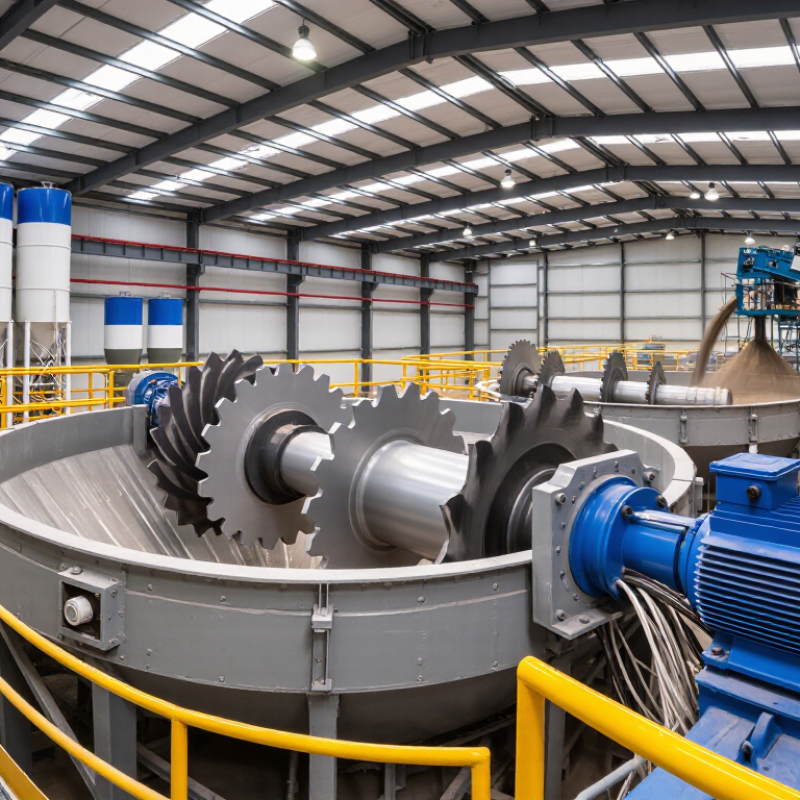
    A double spiral twin shaft concrete mixer uses two horizontal shafts fitted with spiral blades or paddles. As the shafts rotate in opposite directions, the blades move concrete through the chamber and across the mixing zone. The exact blade shape and spacing affect how quickly cement, water, sand, and coarse aggregate combine. Small details matter.

    Look closely at the blade arrangement, not just the motor rating. A helical layout can guide material along the shafts, while angled paddles help lift and redistribute it. Check the clearance between blades and the chamber lining. Too much wear can leave uneven mixing; overly tight clearance may increase friction when aggregate sizes vary. Ask how the mixer handles your typical mix and batch volume.

    The drive system, access doors, and replaceable wear liners also shape long-term performance. A design that is easy to inspect can reduce maintenance delays, especially when hardened residue gathers near corners. There is no perfect setting. A high-output configuration may not suit every mix, and the right choice depends on aggregate size, workability, and cleaning routines. Compare these details with actual production needs before choosing.

    Define Mixing Capacity and Project Requirements

    Define required output before comparing mixer sizes. Estimate concrete volume per shift from drawings, pour sequence, and placement rate. A 60-cubic-meter slab poured over six hours needs an average of 10 cubic meters per hour. Allow for truck delays, sampling, cleaning, and changes in the mix. Real sites rarely run like a spreadsheet. They pause.

    Then calculate usable output, not just the mixer’s advertised batch volume. Multiply actual batch yield by batches per hour, then reduce that figure for loading and discharge time. Check the required slump, aggregate size, and cementitious materials; these affect mixing time and consistency.

    The Global Cement and Concrete Association estimates that about 14 billion cubic meters of concrete are used worldwide each year. That scale makes dependable production important, but it does not set your plant capacity.

    The USGS Mineral Commodity Summaries 2024 reports estimated U.S. cement production of 91 million metric tons in 2023, another broad indicator of industry scale, not a project forecast. Compare those figures cautiously.

    A little overcapacity can cover delays, yet an oversized mixer may waste energy and floor space. Confirm the supplier’s stated capacity basis and test a representative mix before final selection.

    Compare Shaft, Blade, and Drive-System Specifications

    How to Choose a Double Spiral Twin Shaft Concrete Mixer

    Compare shaft, blade, and drive-system specifications—not just the mixer’s rated capacity. Shaft diameter and spacing affect stiffness, load handling, and clearance inside the trough. Check the shaft material, sealing arrangement, and bearing access. A small clearance issue can become costly when hardened mix builds near a blade. Blade shape and angle also matter: they influence how quickly cement, aggregate, and water move through the mixing zone. Ask for wear-part thickness and replacement guidance, then compare these details against your usual batch size and aggregate grading.

    Tips: Request a test mix using your own recipe. Watch for dry pockets near the corners and uneven coating on larger stones. A polished sample can hide slow discharge or difficult cleaning.

    For the drive system, compare motor power, gearbox torque, and overload protection together. Power alone does not show how well the mixer handles a heavy, low-slump batch. Review whether the shafts run through a shared gearbox or separate drive paths, and ask how synchronization is maintained. Confirm that service staff can reach couplings, seals, and lubrication points without major disassembly. Specifications can still leave gaps; this is easy to overlook. Make the supplier explain any unclear rating in writing, especially when operating hours or material conditions differ from the stated test setup.

    Evaluate Durability, Maintenance, and Safety Features

    When choosing a double spiral twin shaft concrete mixer, inspect wear liners, paddle tips, shaft seals, and gearbox access. Uneven liner wear can leave dead zones where hardened concrete accumulates. Ask how quickly a technician can replace a paddle and whether routine checks require confined access. Small details matter. Check service records for bearing temperatures, seal leaks, and replacement intervals; a low purchase price means little if repairs repeatedly stop production. The machine may look robust, but hidden shaft-seal wear is easy to miss.

    Safety features deserve the same close review. Confirm that guards cover rotating shafts and that the mixer can be isolated before cleaning or maintenance. OSHA sets a respirable crystalline silica permissible exposure limit of 50 micrograms per cubic meter over eight hours, with an action level of 25 micrograms. Dust controls around charging and cleanup should be assessed against that standard. The BLS Census of Fatal Occupational Injuries recorded 1,075 fatal work injuries in the construction industry in 2023; mixer safeguards cannot prevent every incident, but they should reduce avoidable exposure to moving parts. A practical site trial helps. Watch the discharge area, listen for abnormal bearing noise, and note whether operators can reach emergency stops without stepping around stored materials. One awkward access point can become a daily workaround.

    How to Choose a Double Spiral Twin Shaft Concrete Mixer

    Compare the factors that matter when evaluating durability, maintenance, and safety.

    How to use this chart: These illustrative priority ratings use a 1–5 scale, where 5 means a factor deserves greater attention during evaluation. They are a decision-making guide, not measured performance data or a rating of any specific mixer. Check specifications, maintenance instructions, and applicable safety requirements for each model.

    Verify Supplier Support and Installation Requirements

    Before comparing mixer capacities, check what the supplier will support after delivery. Ask for a written installation checklist covering foundation loads, anchor locations, lifting points, electrical supply, and service clearance. A double spiral twin shaft mixer may need overhead access to remove its cover or replace wear parts. Measure the route from the unloading area to the plant, too. A machine that fits on a drawing can still be difficult to position.

    Request drawings early. Confirm who provides the base, cabling, water connections, and commissioning labor. Ask whether a technician will inspect alignment and verify shaft rotation before the first batch. Training should cover safe startup, routine inspection, and adjustments to mixing settings. Get response-time expectations in writing, along with common spare parts and their lead times. Small seals matter. So do wear plates.

    Supplier support is more than a promise to answer emails. Ask for a sample service report or a clear escalation contact. If local contractors handle installation, clarify who coordinates them and approves completed work. This step can feel slow, and verbal assurances may seem sufficient. I would not rely on them alone. Even a capable supplier may miss a site-specific constraint, so compare its checklist with your floor plan and utility drawings. The first plan is rarely perfect.