
How to Choose a Multi Lane Powder Packing Machine?

    Choosing a Multi-Lane Powder Packing Machine is an engineering decision, not merely a capacity purchase. The right system must match powder flow, bulk density, moisture sensitivity, dosage accuracy, and package format. A fine flour behaves differently from instant coffee or pharmaceutical-grade nutrition powder. Small differences matter.

    PMMI’s 2024 State of the Industry report shows continuing investment in automation, labor reduction, and production flexibility across packaging machinery. Smithers also forecasts sustained growth in the global packaging market through 2028, increasing pressure on manufacturers to improve output without sacrificing seal quality. These reports support a practical point: speed alone does not define value. A machine producing 120 bags per minute may still lose money through dust, rejected seals, unstable dosing, or difficult cleaning.

    As PMMI President Jim Pittas has emphasized, “Automation is no longer an option; it is a necessity for manufacturers seeking to remain competitive.” That view applies strongly to powder packaging, where manual handling can create inconsistent weights and avoidable downtime. Yet automation should not become an excuse for poor selection.

    Ask harder questions. Can the auger handle your powder consistently? How quickly can operators change film width? Are contact parts easy to remove and sanitize? What happens when humidity changes overnight?

    There is no perfect machine. Sometimes, a slower model delivers better real-world output. Buyers should compare verified test results, lifecycle costs, service response, and compliance documentation. Supplier claims deserve careful checking. A reliable Multi-Lane Powder Packing Machine should fit the product, facility, workforce, and future production plan—not just the sales brochure.
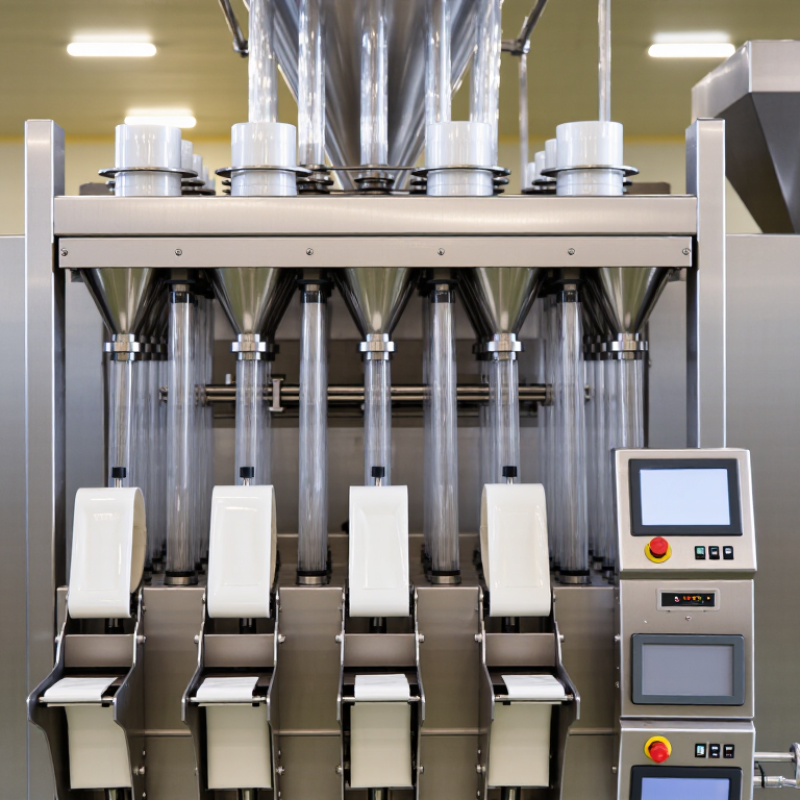
    How to Choose a Multi Lane Powder Packing Machine?

    Understanding Multi-Lane Powder Packing Machine Types

    How to Choose a Multi Lane Powder Packing Machine?

    Understanding Multi-Lane Powder Packing Machine Types starts with the product. Auger fillers suit flour, spices, milk powder, and other free-flowing powders. They use a rotating screw to control each dose. For dusty or inconsistent materials, an auger with servo control can improve repeatability. Gravimetric fillers weigh every pouch. They cost more, but they reduce overfilling when material density changes. Vacuum-assisted systems can handle light powders, although cleaning becomes more demanding.

    Multi-lane machines form several sachets at once. Four lanes may suit moderate output, while eight or twelve lanes require stronger film tracking and tighter synchronization. MarketsandMarkets valued the global packaging machinery market at about USD 52.8 billion in 2023 and forecasts continued growth through 2028. This supports automation investment, but market growth does not guarantee a suitable machine. Actual performance depends on powder behavior, target weight, seal width, and available floor space. A practical factory trial remains essential. I have seen specifications look excellent until sticky powder reaches the sealing area.

    Tips: Request samples using your real powder. Measure dose accuracy across every lane, not only the average. Check changeover time, dust extraction, washdown access, and spare-part availability. PMMI industry reports repeatedly identify labor pressure and automation as major packaging investment factors. Still, faster filling can create more rejected sachets if sensors and sealing temperatures are poorly matched. Ask for verified output at your target weight, rather than accepting a headline speed.

    Assessing Powder Characteristics and Packaging Requirements

    When choosing a multi lane powder packing machine, start with the powder itself. Its behavior often matters more than the advertised lane count. Check particle size, bulk density, moisture, flowability, and dust formation. Hygroscopic powders may absorb moisture during production. Fine powders can bridge inside the hopper or escape through small gaps.

    I have seen stable products run smoothly, while similar-looking powders caused inconsistent fills. Small differences matter. Test the powder under real humidity and temperature conditions. An auger system may suit powders with variable density, while volumetric dosing can work with more uniform materials. Load-cell feedback can improve accuracy, but it cannot fix poor powder flow. That part is often overlooked.

    Packaging requirements should guide the machine configuration. Define the target weight, acceptable tolerance, bag dimensions, film structure, seal temperature, and production speed. More lanes increase output, but they also increase cleaning points and adjustment work. Lane synchronization needs practical testing, not just a specification sheet. Ask for sample trials using your actual powder and packaging film. Measure fill accuracy, seal strength, dust leakage, changeover time, and rejected bags. Keep records from repeated runs. One successful test is not enough. Operators should also inspect access panels, auger removal, and cleaning procedures. A fast machine can become a slow investment when maintenance is awkward. Be realistic about your powder’s worst behavior, not only its best day.

    Comparing Machine Features, Capacity, and Filling Accuracy

    How to Choose a Multi Lane Powder Packing Machine?

    Comparing Machine Features, Capacity, and Filling Accuracy

    A multi lane powder packing machine should match the powder, pouch size, and daily output. Fine powders may bridge inside a hopper, while granular blends can separate during feeding. An auger filler with servo control usually offers better adjustment than a basic volumetric system. However, equipment specifications alone can mislead. Request a live trial using your actual powder.

    Capacity must be measured under working conditions, not only quoted speed. PMMI’s 2024 State of the Industry Report valued U.S. packaging machinery shipments at approximately $10.2 billion in 2023. This reflects strong automation demand, but it does not guarantee higher productivity for every product. Ask for tested packs per minute with all lanes running. Include sealing, cleaning, film changes, and operator pauses. A machine rated at 240 packs per minute may produce far fewer saleable packs in practice.

    Filling accuracy deserves the closest review. Test at the lowest, average, and highest target weights. Record at least 100 consecutive packs from each lane. Compare the mean weight, standard deviation, and reject rate. OIML R 61 provides a useful reference for automatic gravimetric filling equipment, although powder packaging applications may need tighter internal limits. Check whether the machine supports feedback correction, recipe storage, and lane-by-lane monitoring. Small errors become expensive quickly. One practical weakness remains: many suppliers show ideal trial results, not dusty, humid production conditions. Ask for repeat testing before purchase.

    Checking Material Compatibility, Automation, and Maintenance Needs

    How to Choose a Multi Lane Powder Packing Machine?

    Material compatibility should guide the machine choice, not its advertised speed. Powder behavior changes with particle size, moisture, oil content, and bulk density. A fine powder may bridge inside the hopper, while a heavier blend may damage auger flights. Request a product trial using your actual powder. Check fill accuracy, dust control, seal cleanliness, and changeover time. Codex food hygiene guidance also stresses cleanable surfaces and contamination control. Stainless steel alone does not guarantee hygienic design.

    Automation deserves a practical review. Multi-lane systems can increase output, but only when feeding, weighing, sealing, and inspection work together. PMMI industry reports place annual U.S. packaging machinery sales above 10 billion dollars, reflecting strong investment in automated production. However, more sensors can also create more failure points. Choose recipe storage, fault alerts, and accessible controls. Do not automate every adjustment. Operators still need clear visual feedback.

    Maintenance is where many purchasing decisions become uncomfortable. Ask for tool-free access to augers, forming tubes, and sealing jaws. Measure cleaning duration with a real powder, not an empty machine. Keep records for calibration, seal-temperature drift, and unplanned stops. A 2023 McKinsey manufacturing analysis found that predictive maintenance can reduce machine downtime by 30% to 50% in suitable operations. That result is not universal. If sensors are poorly maintained, they become expensive decoration. Spare parts, technician training, and response time should appear in the quotation.

    Evaluating Supplier Support, Cost, and Long-Term Performance

    How to Choose a Multi Lane Powder Packing Machine?

    A multi lane powder packing machine should be judged beyond its purchase price. Supplier support often decides whether production stays stable after installation. Ask for commissioning plans, operator training, spare-part availability, and response times. PMMI’s 2024 State of the Industry report identifies labor shortages and service capability as continuing packaging challenges. This matters when dust affects sensors, augers, and sealing jaws. A low-cost machine can become expensive after one week of delayed support.

    Compare total cost of ownership over five years. Include electricity, film waste, planned maintenance, replacement parts, software updates, and technician travel. McKinsey’s maintenance analysis suggests predictive maintenance can reduce downtime by 30–50% and maintenance costs by 10–40%. Ask whether the supplier provides condition monitoring or useful fault records. However, projected savings are not guaranteed. Your powder flow, humidity, and target speed may produce different results. Request a factory test using your actual powder, not a convenient substitute.

    Tips: Check dosing accuracy at slow and peak speeds. Request three customer references with similar products. Read the warranty exclusions carefully. Measure spare-part delivery in days, not promises. Keep one complete sealing-jaw set onsite. That small decision may prevent a long shutdown.