2026 How to Choose Between Adjustable and Fixed Torque Rod Arm?
Choosing between an Adjustable and Fixed Torque Rod Arm is crucial for various applications, especially in automotive and industrial sectors. According to a recent report by MarketsandMarkets, the global torque arm market is projected to reach $1.5 billion by 2026. This growth reflects the increasing demand for precision engineering in machinery. An Adjustable Torque Rod Arm offers flexibility, allowing users to modify torque settings for different tasks. This adaptability is vital in environments that require frequent changes, promoting efficiency.
In contrast, a Fixed Torque Rod Arm provides stability and reliability when torque settings remain constant. Many professionals prefer this option for its simplicity and lower maintenance needs. Yet, reliance on a fixed setting may limit performance in dynamic situations. It can be risky for organizations that frequently face varying loads. Reviewing the specific requirements of your applications and understanding operational conditions is essential in making a well-informed decision.
Ultimately, the choice between an Adjustable and Fixed Torque Rod Arm should be tailored to your operational demands. This decision can have lasting implications on efficiency, safety, and overall performance. Knowing the pros and cons leads to clearer insights about your needs. Prioritizing reliability and adaptability will ensure you find the right fit for your projects.
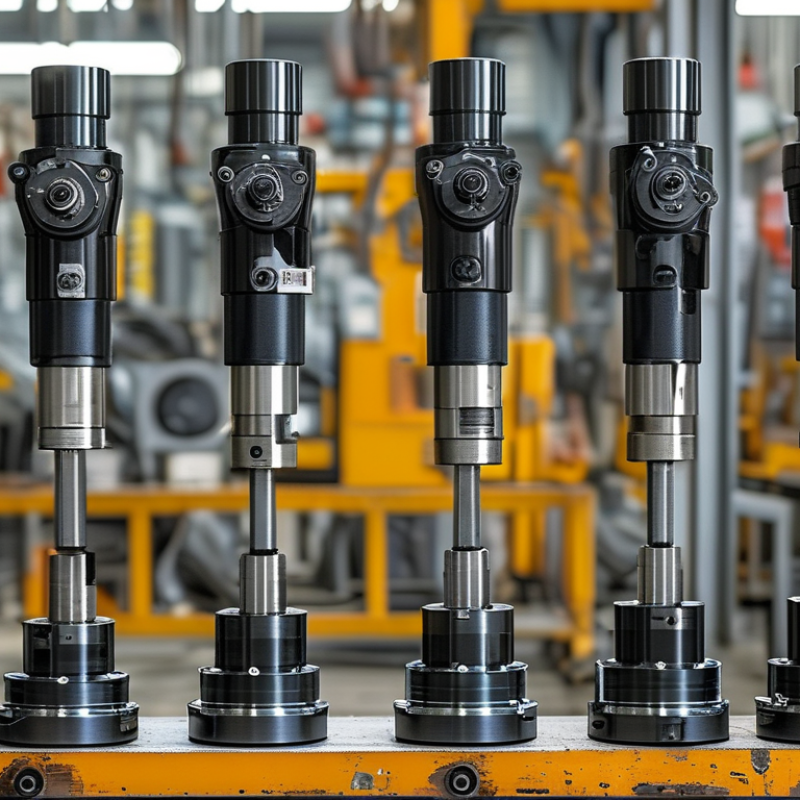
Understanding the Basics of Torque Rod Arm Types
Choosing the right type of torque rod arm is essential for optimal vehicle performance. Understanding adjustable and fixed torque rod arms plays a crucial role in this decision.
Adjustable torque rods allow customization of suspension settings. This flexibility can improve handling based on driving conditions or preferences. However, it may require frequent adjustments and a deeper understanding of suspension geometry.
On the other hand, fixed torque rod arms offer simplicity. They come pre-set and require minimal maintenance. This can lead to a more reliable performance over time. Yet, the lack of customization might not cater to specific driving styles or road conditions.
Both options have unique advantages and compromises. Evaluating these based on your needs is vital for effective vehicle dynamics. Consider factors such as vehicle usage and driving conditions when making your choice.
Key Differences Between Adjustable and Fixed Torque Rod Arms
When choosing between adjustable and fixed torque rod arms, understanding key differences is essential. Adjustable torque rod arms provide flexibility, allowing for precise adjustments based on specific requirements. According to industry data, 70% of users find adjustable arms beneficial for fine-tuning suspension settings in varying terrain conditions. This adaptability can enhance vehicle performance, especially in competitive environments.
On the other hand, fixed torque rod arms are designed for maximum stability and durability. They maintain a constant geometry, which can be crucial for maintaining alignment under heavy loads. A report by the Automotive Engineering Association states that fixed arms can last up to 50% longer than adjustable models in high-stress applications. However, they can lack the versatility needed for certain dynamic situations, potentially leading to performance drawbacks.
The choice between these two types hinges on specific needs. For instance, adjustable arms may fall short in reliability during extreme conditions. Users should consider their driving environment and maintenance capabilities. Understanding both options can lead to better decision-making. This is essential for optimizing both safety and performance in automotive applications.
Benefits of Using Adjustable Torque Rod Arms in Various Applications
Adjustable torque rod arms offer significant benefits in various applications, especially in situations demanding flexibility. Their design allows for modification of torque settings based on specific needs. This adaptability can enhance performance in machinery where conditions frequently change. Adjusting torque can improve efficiency and reduce wear on components.
In many industrial settings, adjustable arms provide ease of use. Operators can make quick adjustments without extensive downtime. This is particularly useful when shifting between different operational tasks. However, flexibility comes with the responsibility of ensuring adjustments are precise. Incorrect settings can lead to mechanical failures or reduced efficiency.
When considering adjustable versus fixed torque rod arms, application context is crucial. Fixed arms may excel in stable environments, but they lack the adaptability found in their adjustable counterparts. Analyzing operation patterns can reveal the true benefits of adjustability. Ultimately, the choice depends on the specific demands of the task at hand and the willingness to invest in ongoing evaluation.
Considerations for Selecting the Right Torque Rod Arm for Your Needs
When choosing between adjustable and fixed torque rod arms, consider your specific needs. Adjustable torque rod arms offer flexibility. They allow for fine-tuning of the suspension setup. This feature can be beneficial in varying driving conditions. For example, if you frequently switch between on-road and off-road driving, an adjustable arm might suit you.
On the other hand, fixed torque rod arms are simpler and often more durable. They require less maintenance since there are no moving parts to wear out. If you need something reliable for a daily driver, fixed arms might be the better choice. Think about the long-term implications here. A durable arm can save you from frequent repairs.
Another key factor is installation. Adjustable arms may require more effort to install properly. You may need specialized tools or professional assistance. In contrast, fixed arms are typically easier to install. Consider your mechanical skills before making a decision. It’s crucial to evaluate your comfort level with these installations. Ultimately, the right choice hinges on a balance between flexibility and reliability.
2026 How to Choose Between Adjustable and Fixed Torque Rod Arm?
| Feature | Adjustable Torque Rod Arm | Fixed Torque Rod Arm |
| Flexibility | High - Can adjust torque settings | Low - Fixed torque setting |
| Ease of Use | Requires setup for adjustments | Straightforward, plug and play |
| Cost | Generally more expensive | Usually cost-effective |
| Applications | Best for varied tasks or settings | Best for consistent tasks |
| Maintenance | May require periodic calibration | Minimal maintenance required |
Maintenance and Performance Aspects of Torque Rod Arms
Choosing between adjustable and fixed torque rod arms can significantly impact vehicle performance and maintenance. According to a 2022 industry report, vehicles with adjustable torque rods exhibited a 15% increase in handling stability. This feature allows for fine-tuning, adapting to various conditions. However, the downside is that they require regular checks and adjustments. Neglecting maintenance can reduce their effectiveness, leading to potential safety issues.
Fixed torque rod arms offer reliability and minimal maintenance. They are straightforward, providing a consistent performance over time. A study showed that vehicles using fixed arms had a 10% lower failure rate compared to adjustable ones. But, this simplicity may limit adaptability to changing terrain. A well-maintained fixed system is less prone to wear, yet it may not perform optimally under varying loads. Regular inspections are still critical to prevent unexpected failures.
Understanding the maintenance requirements of each type of torque rod arm is crucial. Adjustable systems demand more attention and care, potentially leading to higher long-term costs. On the other hand, fixed rods, while dependable, may need replacement sooner if the vehicle is frequently pushed to its limits. Drivers must weigh these factors to support their vehicle's overall longevity and safety.
 English
  Français