How to Choose the Right Diesel Pump for Your Needs?
Choosing the right Diesel Pump for your needs can be daunting. John Peterson, a recognized expert in the diesel industry, once stated, "Selecting a diesel pump is about finding the right fit for your operation." This highlights the importance of considering various factors when making a decision.
When evaluating diesel pumps, you should assess your specific requirements. Think about the flow rate, pressure, and fuel type that suits your operations. Ignoring these details could lead to inefficiency and extra costs. Each application is unique; a one-size-fits-all approach rarely works.
Moreover, consider the reliability and durability of the diesel pump. Not all pumps are created equal. Some manufacturers may offer lower prices, but this can compromise quality. Researching reputable brands and reading reviews will help you avoid making a costly mistake. Remember, investing time in choosing the right diesel pump pays off in the long run.
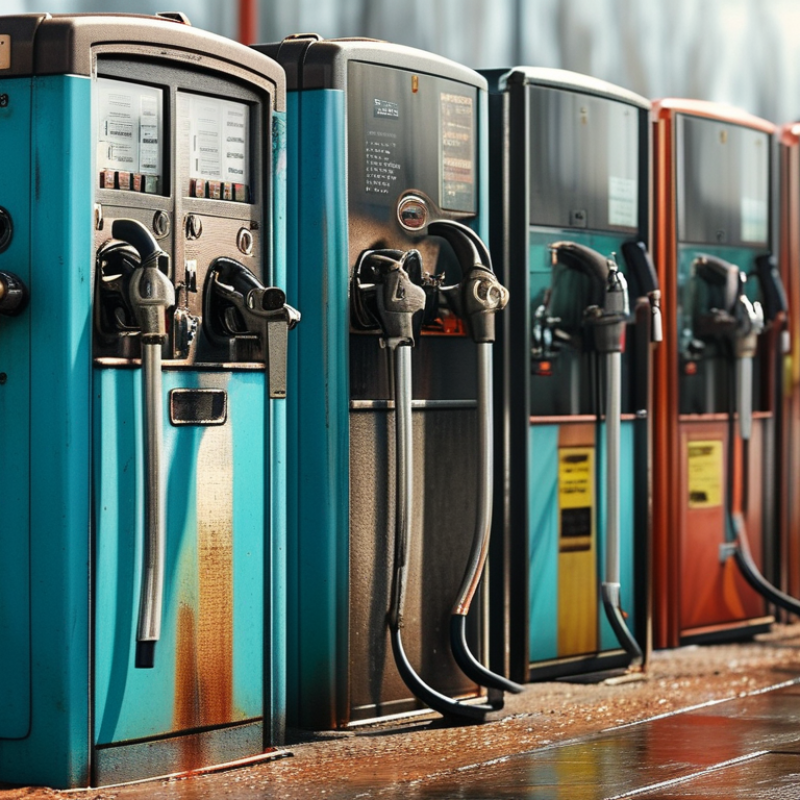
Understanding the Types of Diesel Pumps Available in the Market
When choosing a diesel pump, it's essential to know the different types available. There are portable pumps, rotary pumps, and diaphragm pumps, each serving distinct purposes. Portable pumps are ideal for temporary setup, while rotary pumps offer high efficiency for larger operations. Diaphragm pumps are perfect for transferring viscous fluids. Understanding these types can help you make an informed choice.
Tips for selecting the right pump: Consider your transfer requirements. Pump flow rate matters. A pump that is too slow will delay your operations. Ensure you have the proper connections. Compatibility with your existing system is crucial for smooth operation. Don't overlook the environment. Some pumps perform better in specific conditions.
You might feel overwhelmed by options. That's normal. Remember that what works for one application may not suit another. Always reflect on your specific needs. Take time to compare features and performance. Evaluate efficiency and durability too. Your choice should align with your operational goals. Prioritizing these aspects can lead to better outcomes in the long run.
Assessing the Required Flow Rate for Your Specific Application
When choosing a diesel pump, assessing the required flow rate is crucial. Different applications demand varying flow rates, which significantly impact efficiency and performance. For instance, a construction site may require higher flow rates than a small agricultural operation. The U.S. Environmental Protection Agency (EPA) suggests that flow rates for diesel pumps can vary from as low as 10 gallons per minute (GPM) to over 100 GPM, depending on the application. Understanding the specific needs of your operation will guide you in selecting the right pump.
Flow rate isn't the only factor to consider. The pressure required for your application can also affect pump performance. Reports indicate that a typical diesel pump may need to operate at pressures ranging from 30 to 80 PSI. It's important to analyze not just the current usage, but potential future needs as well. Assessing long-term requirements can prevent the common pitfall of under-sizing or over-sizing a pump, which can lead to inefficiencies.
Furthermore, consider other parameters like fuel type and environmental conditions. For example, operating in colder climates may affect the pump's performance. The American Society of Mechanical Engineers (ASME) stresses the importance of compatibility with specific operating conditions to avoid operational issues. This level of detail is essential for selecting a reliable diesel pump tailored to your unique requirements.
Evaluating the Pump's Material and Build Quality for Durability
When selecting a diesel pump, evaluating the material and build quality is crucial. A pump’s longevity hinges on its construction. Many failures occur due to substandard materials. According to a study by the American Society of Mechanical Engineers (ASME), components made from high-grade steel can reduce wear by up to 30%. This increase in durability is vital for maintaining efficiency in demanding environments.
Corrosion resistance also plays a key role in a pump’s life span. Pumps exposed to harsh conditions need materials that can withstand environmental stressors. Research from the National Institute of Standards and Technology (NIST) indicates that pumps treated with anti-corrosive coatings can last twice as long as untreated counterparts. Choosing the right protective coatings is essential in preventing premature wear.
Many buyers overlook the importance of regular maintenance for pumps. Even the best-built pumps require proper care to function optimally. A flawed maintenance routine can lead to significant performance drops, regardless of quality. Industry reports suggest that nearly 40% of pump failures relate to user neglect rather than manufacturing defects. Reflecting on these factors can guide individuals towards making informed choices.
How to Choose the Right Diesel Pump for Your Needs? - Evaluating the Pump's Material and Build Quality for Durability
| Material | Build Quality | Durability Rating | Ideal Use Cases | Maintenance Frequency |
| Stainless Steel | High | 5/5 | Commercial applications, long-term outdoor use | Once a year |
| Cast Iron | Medium | 4/5 | Industrial settings, low corrosive environments | Every 6 months |
| Aluminum | Medium | 3/5 | Portable systems, light-duty applications | Every 3-6 months |
| Plastic Composite | Low | 2/5 | Temporary setups, low usage scenarios | Every 2-3 months |
| Bronze | Medium | 4/5 | Aqueous applications, moderate corrosive environments | Every year |
Considering Power Source and Installation Requirements for Efficiency
Choosing the right diesel pump requires careful consideration of the power source and installation requirements. Diesel pumps can be powered by electric, hydraulic, or gasoline engines. According to industry reports, approximately 70% of users prefer electric power for its efficiency and low maintenance. However, the installation of electric pumps can be complex. Assessing electrical compatibility is crucial to avoid potential issues.
Installation space is another vital factor. Diesel pumps vary in size, affecting their integration with existing systems. Ensuring sufficient ventilation and access for maintenance is essential. Some reports indicate that improper installation may lead to a 40% decrease in pump efficiency. Users must balance performance with practical installation needs.
Security measures should not be overlooked. An installation lacks efficiency without safeguards against leaks or spills. Regular inspections help maintain reliability. Ignoring these aspects can result in costly repairs. Many users realize too late the importance of these details. Addressing power and installation concerns upfront is key to optimal performance.
Analyzing Cost and Maintenance Factors for Long-Term Use
When selecting a diesel pump, understanding cost and maintenance factors is crucial. High-quality pumps often have a higher initial cost. However, investing in durability can save you money in the long run. Cheaper pumps may have hidden costs. Frequent repairs can add up quickly. Finding a balance between upfront price and long-term reliability is essential.
Regular maintenance is key to extending your pump’s lifespan. Some pumps require minimal upkeep, while others need more attention. You might find that your manual lacks specific instructions. This can lead to confusion during maintenance. It's vital to keep an eye on wear and tear, as even minor issues can escalate if ignored. Developing a maintenance schedule helps prevent unexpected breakdowns.
Consider your unique usage scenario when making your choice. A pump for heavy industrial work will differ from one for occasional use. Assess factors like operational hours and load demands. It’s easy to underestimate how often a pump will be used. Failure to accurately predict this can lead to costly mistakes. Prioritize your needs to ensure you select a pump that is reliable and practical.
 English
  Français