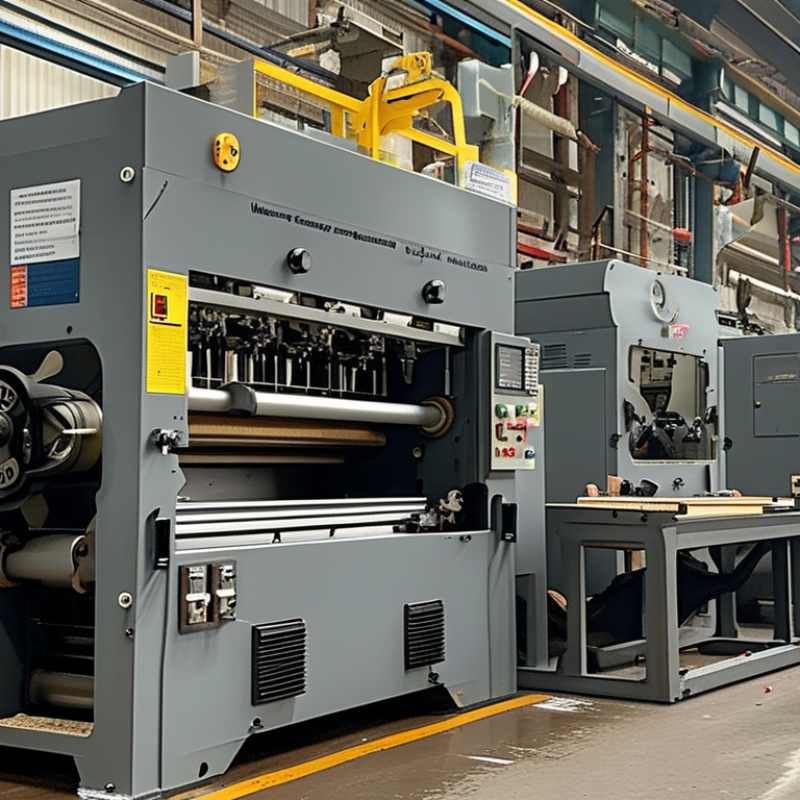
How to Choose the Right Membrane Press Machine for Your Needs?
Choosing the right Membrane Press Machine is crucial for any production line. These machines play a vital role in laminating materials, enhancing both aesthetics and durability. Understanding your specific requirements is key to selecting the best option.
When evaluating a Membrane Press Machine, consider factors such as size, pressure capabilities, and ease of use. Customization options can also greatly impact efficiency. Many users often overlook the importance of these features. This can lead to operational challenges later. A machine that seems suitable may not meet all production needs.
Researching different brands can be overwhelming. Some models promise high performance but fall short in real-world applications. Gathering reviews from experienced users can provide valuable insights. This helps in making an informed decision. Ultimately, the right Membrane Press Machine can significantly streamline your production process.
Understanding the Basics of Membrane Press Machines
Membrane press machines play a crucial role in various industries, particularly in producing high-quality laminated products. Understanding how these machines work can significantly enhance production efficiency. They utilize heat and pressure to bond materials, offering precise control over the process. According to a market study, the membrane press machine market is expected to grow by 5.2% annually. This growth reflects their increasing demand in woodworking, automotive, and construction.
Selecting a machine tailored to your needs involves assessing the material and product specifications. For instance, the thickness of laminates can affect the choice of machine. An industry report indicates that 70% of businesses reported issues with improper adjustments leading to product defects. Proper understanding of machine settings is essential for minimizing such problems. Not all membranes are created equal; variations in texture and thickness can impact final product quality.
Despite their advantages, challenges exist in the learning curve for operators. Ensuring optimal performance may require training, which is often neglected. A survey highlighted that 65% of users felt inadequately trained on machine operation. This lack of expertise can lead to inefficiencies. Therefore, investing in training and resources is vital to leverage the full potential of membrane press machines. Understanding these basic principles can guide better decision-making in the selection and operation of these machines.
Evaluating Your Material Types and Applications
When choosing a membrane press machine, understanding your materials is crucial. Different materials behave distinctly under heat and pressure. For instance, softer materials may warp easily. However, rigid materials require precise settings to avoid damage. Evaluating the compatibility between your chosen machine and your material is essential for achieving optimal results.
Consider your applications as well. If your focus is on decorative laminates, you may need a machine with a higher pressure capacity. This ensures a strong bond between layers. Conversely, if you are working with textiles, a machine that offers flexibility in temperature settings could be more beneficial. The variety in applications demands careful consideration of the machine’s specifications.
Don’t overlook the importance of testing. Experimenting with different settings on sample materials can reveal unexpected outcomes. This iterative process can inform your decisions and lead to better product quality. Remember that finding the perfect match between your membrane press and materials may require adjustments along the way. Be prepared to adapt your approach as you learn more about your specific requirements.
Assessing Machine Specifications and Features
Choosing the right membrane press machine involves understanding key specifications and features that meet your production needs. Each machine’s build and capabilities can drastically affect output quality and efficiency. According to industry reports, a machine's pressure range, typically from 30 to 150 psi, directly influences the adhesion quality of materials. This makes it essential to assess the pressure settings before making a decision.
Tip: Look for machines that offer adjustable pressure settings. This feature allows for flexibility across different material types. Different projects may require varying levels of pressure to achieve optimal results.
Another critical aspect is the heating system. Machines typically operate within temperatures from 180°F to 400°F. A non-uniform heat distribution can lead to poor results or material damage. Some advanced models feature independent temperature controls for each zone, enhancing consistency.
Tip: Consider models with rapid heating capabilities. Faster heat-up times can boost productivity.
Reflecting on specifications, evaluate the dimensions and weight capacity of the machine. It's crucial to ensure that the machine can handle the sizes and weights of materials you regularly use. Inspecting user reviews and case studies can provide real-world insights into how these machines perform under various conditions.
How to Choose the Right Membrane Press Machine for Your Needs? - Assessing Machine Specifications and Features
| Specification | Value | Importance |
| Maximum Pressure | 150 tons | High pressure required for thick materials |
| Heating Method | Electric | Better energy efficiency and control |
| Table Size | 1200 x 800 mm | Accommodates various sizes of materials |
| Cycle Time | 30 seconds | Affects productivity and throughput |
| Control Type | Digital | Enhanced accuracy and user-friendly operation |
| Material Compatibility | Wood, PVC, Glass | Versatility for different application needs |
| Warranty Period | 2 years | Longer warranty indicates reliability |
| Energy Consumption | 5 kW | Lower energy costs = higher profitability |
Considering Space and Budget Constraints
Choosing the right membrane press machine requires consideration of space and budget. Constraints can affect your options. Thoroughly measuring your available space is crucial. Ensure the machine fits comfortably, allowing for maintenance and operation. Small spaces may limit your choices but don't overlook compact models. These can offer excellent performance in tight areas.
Budget is another significant factor. Assess the total cost, including installation and maintenance. Investing in a more reliable machine can save money over time. However, it's easy to get caught in the trap of expensive features you don’t need. Evaluate your actual needs realistically.
Tips: Research the specifications of various machines. Compare them carefully. Speak with industry experts to gather opinions. They can offer valuable insights based on experience. Remember that sometimes, less expensive options can work just as well for your specific needs. Always keep an open mind as you explore. You may find that meeting your constraints leads to creative solutions.
Exploring Manufacturer Reputation and Support Services
Choosing the right membrane press machine hinges significantly on the manufacturer’s reputation. A solid reputation often indicates consistent quality and reliable products. It reflects the experiences of other users, which can be pivotal in your decision-making process. Research shows that 65% of customers value brand reputation highly when selecting machinery.
When assessing manufacturers, consider their customer support services. Effective support can make the difference between smooth operation and costly downtime. A study revealed that 70% of users prefer companies that offer comprehensive after-sales support. Always check reviews and testimonials to gauge the experiences of others.
Tip: Reach out to potential manufacturers. Ask specific questions about their support services. Understand how they handle repairs and maintenance.
Ultimately, a good reputation combined with solid support services ensures you invest in a machine that meets your needs. Evaluate the details carefully. It’s essential to reflect on your long-term needs and the manufacturer's ability to adapt to industry changes. Selecting a manufacturer with strong backing will enhance your overall experience with the equipment.
 English
  Français