2026 How to Choose the Best Carbon Steel Pipe for Your Needs?
Selecting the right Carbon Steel Pipe requires careful consideration of various factors. The global carbon steel pipe market was valued at $45.1 billion in 2021 and is projected to grow significantly. Understanding the specific requirements of your project is essential to ensure durability and performance.
Carbon steel pipes are widely used in construction, oil and gas, and water transportation. This versatility often leads to confusion. Is it better to choose a seamless pipe or a welded one? Each type has distinct advantages based on application needs. Experts emphasize the importance of reliability in choosing materials that withstand high pressure and temperature.
Data from industry reports suggest that the wrong choice can lead to severe consequences. Issues like corrosion or structural failure can arise from inadequate specifications. Investing time into understanding your needs and the properties of carbon steel pipes is crucial. The right choice not only affects cost but also the long-term success of your projects. Reflecting on past experiences can provide valuable insights for future selections.
Understanding Carbon Steel Pipe Specifications and Grades
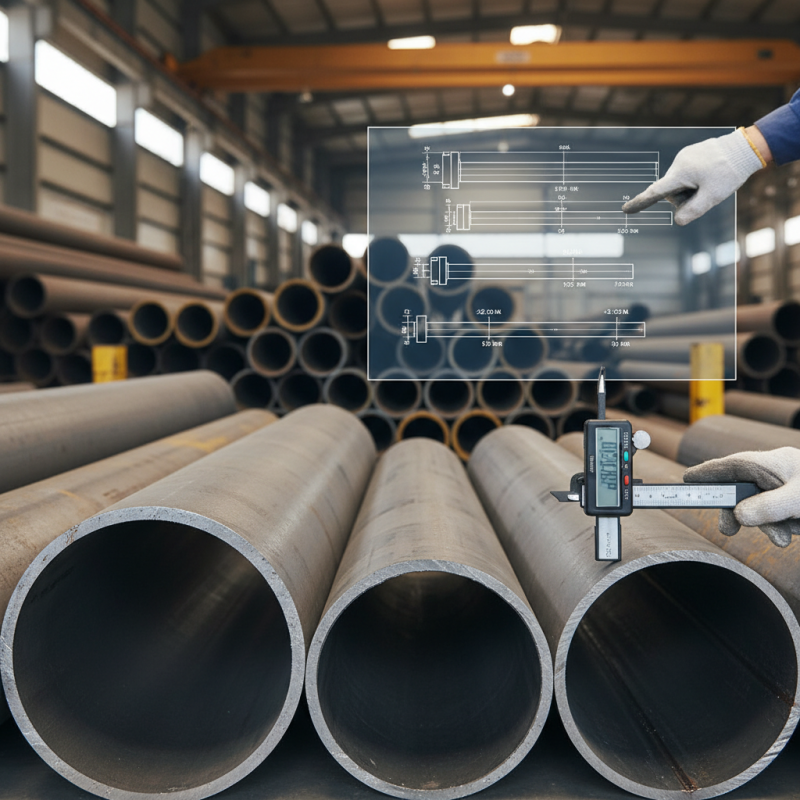
When selecting carbon steel pipes, understanding their specifications and grades is crucial. Carbon steel pipes are categorized based on their carbon content. Common grades include low, medium, and high carbon. Low carbon pipes offer excellent ductility, making them suitable for structures requiring flexibility. Medium carbon pipes provide a balance between strength and ductility, ideal for applications like automotive parts. High carbon pipes, on the other hand, are incredibly strong but less ductile, often used in high-stress environments.
The specifications of carbon steel pipes include dimensions, wall thickness, and pressure ratings. Knowing these details helps in choosing the right pipe for your needs. However, one must be aware that not all suppliers provide consistent quality. It can be challenging to find reliable sources. Some may offer pipes that don’t meet advertised specifications. It’s essential to verify the materials and standards used.
In your selection process, consider the application of the pipe. Will it face high pressure or corrosive environments? Knowing the right grade and specification can prevent costly failures. Ensure you consult with experts who can guide you based on your specific needs. Understanding carbon steel pipe specifications helps in making informed decisions that align with your project requirements.
Key Factors to Consider When Selecting Carbon Steel Pipes
When selecting carbon steel pipes, several key factors come into play. One critical aspect is the carbon content. According to industry standards, carbon steel pipes typically have carbon content ranging from 0.05% to 2.0%. Higher carbon content generally enhances strength but reduces ductility. Finding the right balance is essential for your specific application.
Another important factor is the pipe diameter and wall thickness. Precise measurements influence pressure ratings and flow efficiency. Industry data indicates that larger diameters can handle increased pressure. However, they also require greater material strength to prevent failure under load. Always refer to reliable specifications when determining these dimensions.
Additionally, consider the intended environment for the pipes. Carbon steel possesses corrosion resistance, but it's not immune. In corrosive environments, a protective coating or a suitable alloy might be necessary. Reports show that up to 50% of carbon steel pipe failures occur due to corrosion-related issues. This emphasizes the importance of materials matching specific environmental conditions. Always weigh the potential risks against the benefits when making your selection.
Comparing Different Types of Carbon Steel Pipes
When choosing carbon steel pipes, it’s essential to consider their various types and their applications. There are several grades of carbon steel, such as low, medium, and high carbon steel. Low carbon steel is often preferred for its ductility and weldability, making it suitable for structural applications. Medium carbon steel provides a balance of strength and toughness, ideal for pipes that endure moderate stress. High carbon steel, while stronger, can be more brittle and is usually reserved for specialized applications.
Another fundamental aspect is the pipes’ wall thickness and diameter. Thin-walled pipes are lightweight and easier to install, yet may not withstand heavy pressure. Thick-walled pipes offer greater strength but can be more challenging to handle. Understanding the specific requirements of your project helps in making informed choices. It is not uncommon to overlook the importance of pipe fittings and connections. A mismatch can lead to leaks and possible failures down the line. Real-world experiences often reveal these oversights only after the installation is done.
Lastly, consider the pipe's resistance to corrosion and temperature fluctuations. Some projects might require pipes that can endure harsh environments. Failure to account for environmental factors can lead to premature degradation. Each type of carbon steel pipe carries its advantages and drawbacks. It’s crucial to weigh these elements carefully, ensuring that your choice aligns with your specific needs and future maintenance considerations.
2026 How to Choose the Best Carbon Steel Pipe for Your Needs? - Comparing Different Types of Carbon Steel Pipes
| Pipe Type | Diameter (inches) | Wall Thickness (inches) | Yield Strength (psi) | Common Applications |
| Seamless Pipe | 0.5 - 30 | 0.065 - 0.5 | 30,000 - 50,000 | Oil and Gas, Chemical Processing |
| Welded Pipe | 1 - 48 | 0.120 - 0.375 | 20,000 - 40,000 | Structural Applications, Water Supply |
| ERW Pipe (Electric Resistance Welded) | 0.5 - 16 | 0.065 - 0.25 | 20,000 - 35,000 | General Purpose, HVAC |
| Spiral Welded Pipe | 16 - 100 | 0.125 - 0.75 | 25,000 - 45,000 | Water Transmission, Sewage Systems |
| Black Steel Pipe | 0.5 - 12 | 0.065 - 0.375 | 30,000 - 50,000 | Gas Distribution, Fire Sprinkler Systems |
Evaluating the Intended Application for Carbon Steel Pipes
When selecting carbon steel pipes, understanding the intended application is crucial. Different applications demand varying specifications. For instance, a pipe used in oil transportation will require different thickness and strength than one used for a water supply system. Assessing the environmental conditions is equally important. High humidity or corrosive environments can significantly impact performance.
Another factor is the pressure rating. High-pressure applications necessitate thicker walls to withstand stress. Knowing the expected pressure can guide your choice effectively. The diameter of the pipe also influences flow rates. A larger diameter generally allows a greater volume of fluid to pass through. This distinction matters for efficiency in system design.
It’s essential to consult professionals when in doubt. Resources might offer helpful guidelines, but hands-on experience is invaluable. Many users overlook the nuances of material properties. Each project may reveal new challenges that weren't considered initially. Reflecting on these aspects can guide you toward a more precise choice.
Cost and Sourcing Considerations for Carbon Steel Pipes
When considering carbon steel pipes, cost is a significant factor. Prices vary based on diameter, thickness, and quality. Research shows that larger pipes generally cost more. However, bulk purchasing can lead to discounts. Always compare prices from different suppliers. This ensures you find the best deal for your project.
Sourcing options also play a key role. Local suppliers may charge more for transportation. Yet, they offer quicker delivery times. International vendors may provide lower prices but can lead to extended waiting periods. Assess your timeline before making a decision. It’s vital to balance cost with lead times carefully.
Don’t overlook the importance of quality. Cheaper options may seem attractive. However, poor-quality pipes can lead to costly repairs down the road. Always check certifications and product reviews. Investing time in supplier research can save you money in the long run. There’s no one-size-fits-all solution for sourcing. Each project has unique needs that should guide your choices.
 English
  Français