How to Choose the Best Foil Stamping Machine?
Choosing the right Foil Stamping Machine can shape print quality, production speed, and long-term operating costs. The best model is not always the largest or most expensive one. It must match your materials, artwork, workload, and available workspace.
A small workshop may need a compact machine for invitations, labels, packaging, or business cards. A busy packaging plant may require larger pressure, automatic feeding, and precise temperature control. These differences matter. A machine that performs beautifully on coated paper may struggle with leather, plastic, or textured stock.
Before buying, examine foil compatibility, stamping area, pressure adjustment, heating stability, and setup time. Ask suppliers for sample results using your actual materials. A sharp gold logo on a black box can look impressive, but uneven edges may appear after repeated production. That detail deserves attention.
Safety features also deserve careful review. Look for reliable guards, emergency controls, heat protection, and clear operating instructions. Check the supplier’s warranty, spare-part availability, technical support, and maintenance guidance. A low purchase price means little when a failed heating element stops production for weeks.
There is no universal winner. Some buyers focus too heavily on speed and overlook registration accuracy. Others choose advanced automation before confirming whether their order volume justifies it. That can become an expensive mistake.
This guide explains the practical factors behind a confident decision. It combines machine specifications with real production concerns, helping you compare performance, reliability, usability, and total value. Take measurements. Test samples. Question impressive claims. The right Foil Stamping Machine should support consistent results, not create another problem.
What Is a Foil Stamping Machine and How Does It Work?
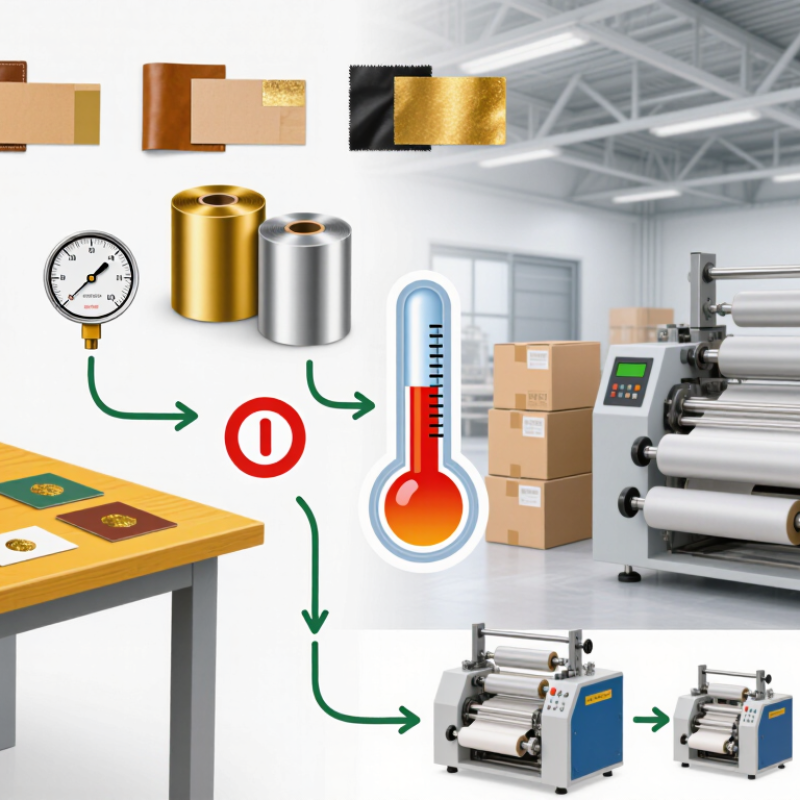
A foil stamping machine transfers a metallic or pigmented foil onto paper, board, leather, or selected plastic surfaces. It uses heat, pressure, and a prepared die to create a sharp decorative impression. The die presses against the foil while the adhesive layer activates. The carrier film then releases, leaving the foil on the material. Clean results depend on pressure balance, temperature control, and accurate timing.
In daily production, the operator places the substrate on a flat bed or feeds it through rollers. A small test sheet is essential. Check the lettering edges, foil coverage, and surface marks before running a full batch. Thin paper may wrinkle under excessive pressure. Coated board may need a different temperature. These details are easy to underestimate.
When choosing a machine, match its working area to your largest design, not only your current orders. Consider adjustable heat, stable pressure, die compatibility, and registration accuracy. A digital temperature display helps, but it does not replace practical testing. Ask whether replacement parts and technical support are available. Production speed matters, yet a slower machine can be more reliable for short runs and detailed artwork. I would also inspect the emergency stop, guards, and operator access. Safety should not be treated as an optional feature. No single machine suits every material. That is where many purchasing decisions go wrong.
How to Choose the Best Foil Stamping Machine?
Typical productivity varies by machine format and automation level. Use the expected hourly output, job volume, and setup requirements to identify the most suitable foil stamping machine.
The figures show typical operating ranges for common foil stamping machine categories. Actual output depends on substrate, stamping area, foil type, temperature, pressure, and operator experience.
How to Compare Machine Types, Sizes, and Technical Specifications?
Choosing a foil stamping machine starts with the job, not the largest specification sheet. Flatbed machines suit invitations, cartons, and short runs. Rotary systems work better for continuous rolls and higher output. Pneumatic models provide steady pressure, while manual machines may offer better control for small workshops.
Measure the largest sheet you actually use. A 300 × 400 mm platen may be enough for packaging inserts, but larger covers need more working space. Leave clearance around the artwork. Tight dimensions create alignment problems.
Check temperature control, stamping pressure, cycle speed, foil feeding, and material compatibility. Stable temperature matters more than a high maximum temperature. Ask for test samples using your paper, film, or coated board. Real samples reveal issues that brochures often hide. Check whether the machine supports interchangeable dies and adjustable pressure.
I once overvalued speed and ignored setup time. That was a costly mistake. A fast cycle means little if foil wrinkles during feeding. Measure the complete process, including loading, alignment, cooling, and cleaning. Review the control panel, emergency stop, electrical requirements, and maintenance access. Reliable documentation and calibration records also matter. Cheap parts can become expensive delays. Choose carefully.
What Materials, Designs, and Product Sizes Can It Process?
Choosing a foil stamping machine starts with the material, not the machine price. Paper, coated board, textured stock, synthetic sheets, and leather-like surfaces react differently to heat and pressure. A machine suitable for thin labels may struggle with rigid packaging board. Check the substrate thickness, surface coating, grain direction, and heat tolerance. Smithers’ The Future of Digital Print to 2028 estimates that digital print value may reach about 230.5 billion US dollars by 2028. Short runs and customized packaging are increasing. This makes accurate foil registration more valuable.
Design complexity matters too. Fine text, solid foil areas, embossed effects, and detailed patterns need different stamping pressure and temperature control. Ask for test samples with the smallest letters, sharpest lines, and darkest materials. Then inspect edges under strong light. They may look acceptable at first. They may not survive production.
Product size is another practical limit. Compare the machine’s maximum sheet size, working area, repeat length, and available margin. A small platen can waste large sheets. An oversized machine may raise energy and setup costs. Tips: Measure your largest product first. Test real materials. Record temperature, pressure, dwell time, and foil type. Industry reports often show market growth, but they cannot predict your exact substrate behavior. That part requires hands-on testing. Do not trust one perfect sample. It can hide registration drift, uneven coverage, or curling after cooling.
How to Evaluate Cost, Reliability, Safety, and Supplier Support?
Choosing a foil stamping machine starts with the full operating cost, not the purchase price. Ask for power consumption, die-heating time, foil waste, maintenance intervals, and expected output. A low-priced machine may become expensive when seals, controllers, or pressure parts need frequent replacement. Request a written cost estimate for three years. Real production trials matter. Run your own material samples, including coated paper, textured stock, and the smallest details you normally print. Record setup time and reject rates. A supplier’s impressive brochure cannot reveal every weakness.
Reliability should be judged through evidence. Look for service records, spare-parts availability, diagnostic access, and clear warranty terms. Ask how quickly a technician responds when a heater fails during a busy shift. Inspect the machine before purchase. Guards should cover hot surfaces and moving mechanisms, while emergency stops should be easy to reach.
Confirm temperature controls, pressure limits, electrical protection, and operator training materials. Do not accept vague promises about compliance; request relevant test documents and maintenance instructions. One detail is easy to miss: noise and awkward loading can cause fatigue. That may not appear in a quotation.
Supplier support often determines whether production recovers quickly after a problem. Evaluate installation guidance, remote troubleshooting, training quality, and consumable-part availability. Speak with current users if possible, but treat every reference carefully. Ask what went wrong, not only what worked. Good answers include dates, response times, and corrective actions. Be honest about your own limits. If operators change frequently, simple controls and repeatable settings may matter more than extra speed. I would also request a sample service report. Some suppliers resist this request. That hesitation deserves attention before payment and delivery.
 English
  Français