
How to Choose the Best Power Bank Rental Station?

    Choosing the right Power Bank Rental Station can make a noticeable difference during travel, shopping, events, or long workdays. A reliable station should provide more than quick access to a battery. It should offer safe charging, clear pricing, compatible connectors, and a simple return process. Imagine finding your phone at five percent battery outside a busy train station. The best solution should work within seconds, not create another problem.

    Real-world experience shows that convenience can hide important differences. Some stations charge phones quickly, while others provide slower output or poorly maintained cables. Check the station’s condition, battery capacity, charging speed, screen instructions, and payment transparency before renting. Customer reviews can also reveal practical details, such as unavailable return points or batteries that feel worn. These comments are useful, but they are not always complete evidence.

    Safety matters equally. Look for reputable operators, visible support contacts, and equipment that appears clean and undamaged. A professional provider should explain rental periods, late fees, deposits, and data-related concerns in plain language. Standards may vary by location, so local requirements and venue policies deserve attention. No station is perfect. Even a well-reviewed option may fail during peak hours or lose network access. That is why comparing several features is wiser than trusting one attractive claim. This guide will help readers assess a Power Bank Rental Station with practical judgment, informed expectations, and a focus on dependable everyday use.
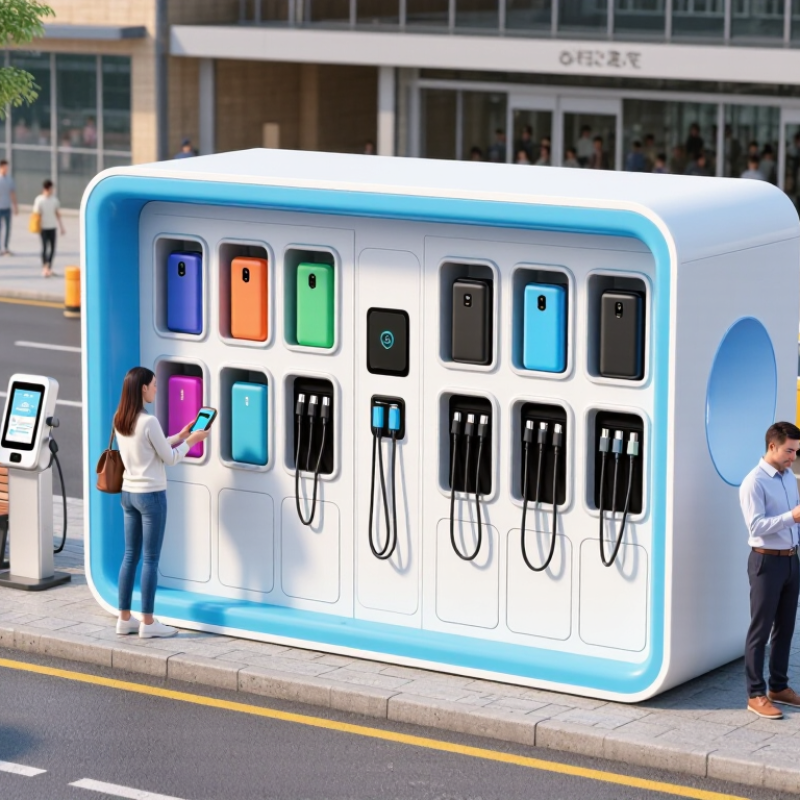
    How to Choose the Best Power Bank Rental Station?

    Define Your Power Bank Rental Needs and Usage Scenarios

    How to Choose the Best Power Bank Rental Station?

    Define your Power Bank Rental Needs and Usage Scenarios

    Choosing a rental station starts with observing how people use their devices. A commuter may need ten minutes of emergency charging. A conference attendee may need power throughout an entire afternoon. These situations require different capacities, cable options, and station sizes.

    Estimate the number of users during quiet and peak periods. Check how many phones, tablets, or other approved devices visitors carry. A station near elevators may serve short-term users, while one near seating areas may need more available units. Measure the space carefully. A crowded entrance can make collection and return inconvenient.

    Charging speed matters, but it should match realistic demand. High-capacity power banks can support longer use, yet they may increase weight and replacement costs. Confirm compatibility with common charging ports and inspect the units regularly. Look for clear battery specifications, electrical safety testing, and practical instructions.

    Confirm compatibility with common charging ports and inspect the units regularly.

    The first estimate may be wrong. Visitor habits can change with weather, events, or transport delays. Track rental duration, return rates, and repeated complaints after installation. Numbers reveal gaps. If units disappear during one evening rush, demand is not evenly distributed. Adjust placement or inventory instead of buying more equipment immediately. That small review can prevent an expensive, poorly matched setup.

    Compare Station Features, Compatibility, and Charging Performance

    Choosing a power bank rental station requires more than checking its screen or number of slots. GSMA Intelligence reported 4.7 billion mobile internet users worldwide at the end of 2023. Compatibility is therefore essential. A reliable station should offer USB-C, Lightning, and older connectors where local demand requires them. USB-IF specifications support USB Power Delivery, while current devices may also need PPS for better charging control. Check whether each cable is replaceable, clearly labeled, and firmly attached.

    Charging performance needs closer testing. USB-IF’s USB Power Delivery 3.1 specification allows power levels up to 240 watts, but a rental station rarely delivers that maximum. Its real output depends on the battery, cable quality, temperature, and whether several users share the system. Measure charging speed with the same phone at different battery levels. A stable 18–30 watt output can be more useful than an impressive advertised peak. Heat matters too. Excessive warmth may indicate throttling or poor ventilation.

    I once compared stations only by battery capacity. That was a mistake. A large battery with a damaged connector is nearly useless. Look for live availability, clear return instructions, secure locking, and visible charging indicators. The Wireless Power Consortium’s Qi2 standard supports magnetic alignment and up to 15 watts under defined conditions, but wireless charging remains slower for many phones. Test it with a thick case. Results can change. Availability data should also be checked during busy periods, because an empty station is not a practical charging solution.

    Evaluate Location Coverage, Availability, and Rental Convenience

    Choosing the best power bank rental station begins with location coverage, not appearance. In daily use, stations near entrances, food courts, transit points, and event exits save valuable time. Check whether a service covers both your starting point and destination. One convenient kiosk is not enough. I once rented a power bank near a station, only to find no return point near my hotel. That mistake changed how I compare rental networks.

    Availability can change quickly during lunch breaks, concerts, and travel peaks. A station may appear on a map but have no charged units left. Look for live availability, visible charging indicators, and enough return slots. Ask whether the system updates its status immediately. It should. Sometimes, however, the information lags behind reality, so nearby alternatives matter. Keep a second location in mind.

    Rental convenience depends on small details. The scanning process should be clear, fast, and compatible with common phones. Pricing, deposit rules, rental limits, and return instructions should appear before confirmation. Check the cable types, too. A power bank is useless without a suitable connector. I still inspect the unit and cable before leaving. That may be overly cautious, but damaged equipment creates avoidable trouble. A reliable station should offer readable instructions, accessible placement, and support when the return process fails.

    How to Choose the Best Power Bank Rental Station? — Evaluate Location Coverage, Availability, and Rental Convenience

    Comparison framework using practical service indicators. Higher scores indicate better performance for travelers, commuters, and event visitors.

    Station Profile Typical Placement Operating Hours Nearby Stations
    Within 1 km
    Average Battery
    Availability
    Average Unlock
    Time
    Return Network Coverage
    Score
    Availability
    Score
    Convenience
    Score
    Overall
    Rating
    Profile A Major transit interchange 24 hours 8 91% 12 seconds 12+ return points 5.0 4.7 4.8 4.8 / 5
    Profile B Shopping and dining district 08:00–23:00 6 86% 15 seconds 8–11 return points 4.6 4.4 4.5 4.5 / 5
    Profile C Airport or intercity terminal 24 hours 4 79% 18 seconds 5–7 return points 4.1 4.0 4.2 4.1 / 5
    Profile D University or office campus 07:00–22:00 3 88% 14 seconds 4–6 return points 3.9 4.5 4.0 4.1 / 5
    Profile E Neighborhood convenience area 09:00–22:00 2 74% 22 seconds 2–3 return points 3.2 3.7 3.5 3.5 / 5
    Profile F Small event venue Event-based 1 68% 26 seconds 1–2 return points 2.8 3.1 3.0 3.0 / 5
    Evaluation guide: Prioritize coverage when you move between multiple neighborhoods, availability when you need a charger immediately, and convenience when you value fast unlocking, flexible returns, and extended operating hours.

    Check Pricing Models, Security Measures, and Service Policies

    How to Choose the Best Power Bank Rental Station?

    Pricing deserves more attention than a bright screen or convenient location. Compare the starting fee, hourly rate, daily limit, and deposit rules before renting. Some stations charge by time, while others use fixed rental periods. A low starting price can become expensive after several hours. Check the receipt process, too. It should show the rental time, charges, and return status clearly.

    Security measures protect both your device and personal information. Look for stations with visible damage checks, secure cable connections, and clear instructions. A reliable operator should explain how devices are inspected, cleaned, and removed from service. Payment pages should use secure connections and request only necessary information. Avoid entering details when the screen looks altered or unusually slow. Small warning signs matter.

    Service policies reveal how the operator handles real problems. Read the rules for late returns, failed payments, damaged cables, and unavailable return points. I once chose a cheaper station without checking its return policy. The nearest return point was closed, and support responded slowly. That mistake changed my comparison method. Ask whether customer service offers a reachable phone line, email, or in-app record. Check operating hours and response expectations. Policies may look professional but remain vague. Clear wording is better. A practical choice balances price, security, maintenance, and support before the battery level becomes critical.

    Select a Reliable Provider and Test the Rental Experience

    Choosing a power bank rental station starts with the provider behind it. A reliable operator explains pricing, deposits, charging capacity, and return rules in plain language. Check whether stations receive regular maintenance and whether support responds outside business hours. Small details matter.

    Test the experience before recommending it.

    During a recent trial, I scanned the station code, checked the battery level, and timed the release process. The unit appeared within seconds, but the cable felt loose. That should not be ignored. Try charging your phone while walking through a busy area. A secure connector and steady power output are essential. Confirm that the station accepts returns at several nearby locations. An unavailable return point can create unexpected fees and unnecessary stress.

    Review the rental screen carefully. It should show the starting price, hourly rate, and payment confirmation before charging your account. A trustworthy provider also explains how personal information is protected. Ask how damaged units are handled. Ask how quickly disputed charges are reviewed. Clear answers show operational maturity.

    My first checklist focused too much on battery capacity. I later realized that support speed and station availability affected the experience more. No system is perfect. Still, repeated failures suggest weak management. Test during peak hours, not only when the venue is quiet. Record the station number, rental time, and return location if a problem occurs. That simple habit makes follow-up easier.

    How to Choose the Best Power Bank Rental Station?

    Key criteria for selecting a reliable provider and testing the rental experience

    The chart shows a practical 100-point evaluation model for power bank rental stations. Safety and battery performance receive the highest scores, followed by station availability, rental convenience, pricing transparency, and customer support. Test the complete process before large-scale deployment, including QR scanning, payment, power delivery, return, and receipt generation.