How to Choose the Right Filter Press Filter Cloth for Your Needs?
Choosing the right Filter Press Filter Cloth is crucial for optimal performance. According to a report by Data Bridge Market Research, the filter cloth market is projected to grow significantly, reflecting the rising demand across various industries. The right filter cloth influences efficiency, filtration rate, and cake dryness. Thus, selecting the appropriate material is essential for all applications.
Many factors affect your decision. Material composition, fabric weave, and filtration requirements play a role. Standard options include polypropylene and polyester. Each offers unique features and benefits, making it vital for users to understand their specific needs before purchasing.
Despite available options, challenges exist in selection. Misjudging requirements can lead to inefficient processes and increased costs. Users may overlook the significance of compatibility with their filter presses. Balancing cost, durability, and performance is essential. Understanding these aspects can ensure optimal results and minimize operational risks.
Understanding the Basics of Filter Press Filter Cloth
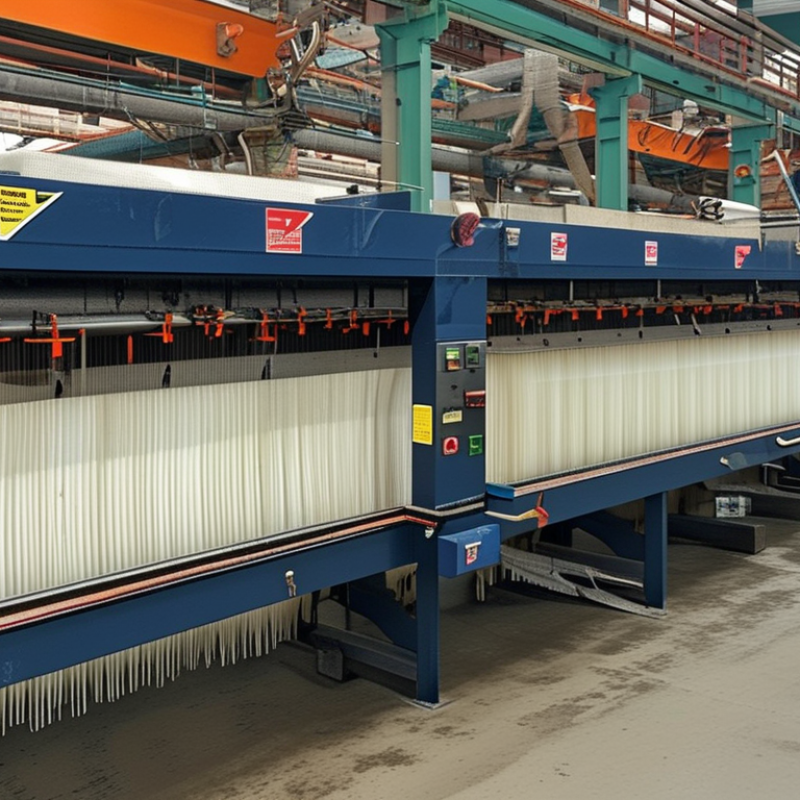
When selecting filter cloth for a filter press, understanding its fundamental properties is essential. Filter cloths are typically made from woven or non-woven materials, each with distinct characteristics. Woven cloths offer durability and higher strength, making them suitable for rigorous applications. Non-woven options, on the other hand, provide excellent filtration performance and finer particle retention. According to a report from the Filtration Society, the efficiency of particle capture can exceed 90% with the right choice of cloth.
The permeability of filter cloth is another vital aspect to consider. Higher permeability allows for faster filtration rates, but may sacrifice the quality of the filtrate. For example, a study showed that a cloth with 200 microns can reduce the cake moisture content significantly compared to one with 100 microns. This highlights the need for a balance between filtration speed and cake dryness.
Choosing the right fabric also involves assessing the chemical compatibility with the slurry being processed. Many industrial applications face challenges with corrosive materials, making material choice paramount. A survey indicated that improper cloth selection resulted in a 30% decrease in operational efficiency for some facilities. Regular reviews and updates on cloth performance are beneficial for maintaining optimal operation.
How to Choose the Right Filter Press Filter Cloth for Your Needs?
| Material Type | Filtration Efficiency (%) | Temperature Resistance (°C) | Chemical Resistance | Typical Applications |
| Polyester | 95 | 120 | Weak Acids | Mining, Food Processing |
| Polypropylene | 90 | 100 | Most Chemicals | Wastewater Treatment |
| Nylon | 92 | 150 | Alkalis | Chemical Processing |
| PTFE | 98 | 260 | Strong Acids and Bases | Pharmaceuticals, Petrochemicals |
Key Factors to Consider When Selecting Filter Cloth
Choosing the right filter press filter cloth requires careful consideration of several key factors. The type of material used in the cloth is crucial. Common materials include polypropylene, polyester, and nylon, each offering different chemical resistance and durability. According to the Filtration Society, improper material selection can lead to premature wear and filtration inefficiencies.
Another factor is the fabric's permeability. The size and distribution of the pores will influence filtration speed and clarity. A report from the American Filtration and Separation Society states that optimizing permeability can enhance throughput by up to 30%. Users must balance speed against the desired cake dryness.
Tips: Always consider the compatibility of the filter cloth with the specific slurry. Test samples before committing to larger orders. Ensure regular maintenance checks on the filtration system to identify wear patterns in the cloth. Keep an eye on temperature limits to prevent structural damage to the fabric.
Lastly, the filter cloth's seam construction and finishing can affect its lifespan and performance. Seam integrity is vital; a weak seam can result in leakages and additional costs. Remember, choosing filter cloth is not just about cost; longevity and efficiency will save more in the long run.
Common Materials Used in Filter Press Filter Cloths
When choosing filter cloths for a filter press, material selection is critical. Common materials include polyester, polypropylene, and nylon. Each material has specific properties that influence performance and durability. Polyester is often chosen for its resistance to chemicals and high temperatures. It’s ideal for various applications, ensuring longevity under extreme conditions.
Polypropylene stands out for its affordability and versatility. It is lightweight and offers excellent stain resistance. However, it may not perform as well at elevated temperatures. Nylon is another option, frequently selected for its strength and elongation. Its durability can handle heavy loads, making it suitable for more demanding applications.
Understanding the specific needs of your application will guide your choice. If you require high strength but will be operating at lower temperatures, nylon could be your best bet. Reflecting on these aspects ensures you select a filter cloth that matches your operational needs. As you analyze each option, consider the trade-offs. Choosing the right material can mitigate potential issues, but it's crucial to weigh each characteristic carefully.
How to Assess Filter Cloth Compatibility with Your Application
When selecting a filter cloth for your filter press, compatibility is crucial. Assess the nature of your material. Is it abrasive or fine? The cloth needs to withstand these conditions. Consider the type of filtration needed—are you dealing with liquids, slurries, or solids? Each application has different requirements.
Tips: Test samples first. Running small-scale tests can reveal how well the cloth performs. Pay attention to the filtration rate and cake release. Perform visual inspections for any wear after trials. This helps in making informed choices.
Another important factor is the fabric's construction. Various weaves and thicknesses impact efficiency. A tighter weave might offer better retention of solids. However, it could slow down flow rates. Balance is key. Reflect on whether the cloth matches your operational goals.
Tips: Consult with industry experts. They can provide insight based on experience and specific application needs. Don’t underestimate their recommendations. Knowledge shared can prevent costly mistakes. Ultimately, ensuring the right compatibility enhances your filtration process.
Maintenance Tips for Prolonging Filter Cloth Lifespan
Maintaining filter cloth is essential for optimal performance and longevity. Regular cleaning is crucial. Dirty cloth can lead to inefficiency. It is important to monitor the conditions under which the filter operates. High temperatures and harsh chemicals can degrade the cloth's fabric. Using suitable cleaning agents will help in preserving the integrity of the filter cloth.
Inspecting the filter cloth periodically is also necessary. Look for signs of wear or damage. Rips or tears can compromise the filtration process. If any issues arise, timely replacement is vital. This not only ensures efficiency but also extends the lifespan of the entire filter system.
Store the filter cloth in a cool, dry place. Humidity can cause mold growth, diminishing cloth performance. Avoid folding or creasing the cloth excessively, as this can create weak points. By following these practices, your filter cloth can serve its purpose longer, promoting better filtration outcomes.
 English
  Français