How to Choose the Right Investment Casting Foundry?
Choosing the right Investment Casting Foundry can shape your product’s quality, cost, and delivery performance. The decision involves more than comparing hourly rates or attractive samples. It requires careful attention to process control, engineering support, material knowledge, and communication.
As casting authority John Campbell puts it, “The quality of a casting is determined before the metal is poured.” That principle remains practical on the shop floor. A reliable foundry should explain its wax injection settings, ceramic shell layers, gating design, heat-treatment controls, and inspection methods. Ask to see evidence, not promises. Useful evidence includes material certificates, dimensional reports, non-destructive testing records, and traceability from wax pattern to finished component.
Look closely at the facility. Are wax patterns stored cleanly? Are shell rooms climate-controlled? Can technicians identify common defects, such as porosity, inclusions, or misruns? These details reveal everyday discipline. Certifications can support confidence, but they cannot replace technical conversations. A supplier may hold ISO approval and still struggle with your alloy, wall thickness, or annual volume.
Your own requirements may also be incomplete. That is worth admitting. Design drawings sometimes hide difficult tolerances or unrealistic surface expectations. A strong Investment Casting Foundry will challenge those assumptions respectfully and suggest manufacturable alternatives. Compare prototype support, tooling ownership, capacity, inspection equipment, lead times, and corrective-action procedures. The best partner is not always the largest one. It is the foundry that can repeatedly turn your design into sound, traceable, and commercially practical castings.
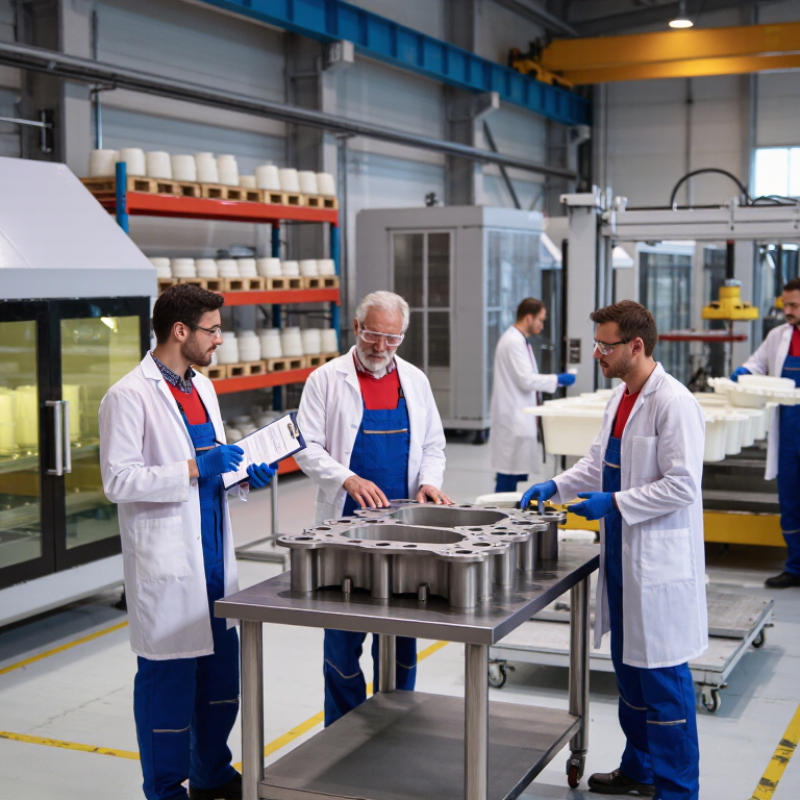
Define Your Investment Casting Requirements
Before choosing an investment casting foundry, define exactly what your part must achieve. Begin with the alloy, operating temperature, load, and corrosion exposure. A valve body and an aerospace bracket need very different casting controls.
Share clear drawings, three-dimensional files, annual quantities, and target delivery dates. Include critical dimensions, acceptable tolerances, wall thicknesses, surface finish, and machining allowances. If the design is still changing, say so openly. Hidden revisions often create avoidable tooling costs.
Quality requirements need equal attention. Specify material certificates, dimensional reports, mechanical testing, non-destructive inspection, and traceability expectations. Ask how the foundry controls wax patterns, ceramic shells, pouring temperatures, and heat treatment. In my experience, small details matter. A thin rib may fill inconsistently, while a deep pocket can complicate shell removal. We have sometimes underestimated finishing time, especially when drawings lacked clear datum references.
Tips: Prepare a requirement sheet before requesting quotations. Mark critical features in red. Separate essential requirements from preferred options. Ask for sample inspection reports and process-flow details. Confirm who approves tooling changes and how deviations are handled. A short technical discussion can reveal more than a low initial price. Be realistic about tolerances; tighter is not always better, and excessive precision may increase cost without improving performance.
How to Choose the Right Investment Casting Foundry?
Define your investment casting requirements before comparing foundries. The planning weights below show how key requirements can be prioritized when evaluating technical capability, quality control, and production suitability.
Use these illustrative planning weights as a starting point. Adjust them according to your part geometry, alloy, dimensional tolerance, surface finish, annual volume, inspection requirements, and delivery schedule.
Compare Production Capacity, Costs, and Delivery Timelines
Choosing an investment casting foundry requires more than comparing a unit price. Capacity must match your order pattern, alloy, and inspection requirements. The 2023 Modern Casting census reported approximately 109.7 million metric tons of global castings in 2022. That figure covers all casting methods, not investment casting alone. Still, it shows why stated capacity needs careful verification.
Ask for monthly furnace hours, active wax presses, and available finishing lines. A foundry may claim high annual tonnage but lack space for your production window. Request recent utilization data. Also check whether heat treatment and dimensional inspection happen internally. Outside processing can add days and handling risks. Tooling, wax dies, ceramic shells, alloy yield, machining, and testing shape the real cost. The cheapest quotation is often incomplete.
Delivery planning needs milestones, not promises. For a new part, eight to fourteen weeks is a practical working range for tooling, samples, corrections, and first-article approval. Repeat production may take four to eight weeks, depending on batch size and furnace loading. The U.S. Department of Energy’s Metal Casting Industry Technology Roadmap identifies energy efficiency and process control as major cost priorities. Ask how the foundry controls shell thickness, pouring temperature, and scrap rates. Request data from comparable parts.
Small warning. Capacity claims can age quickly. A strong supplier should disclose current utilization, backup equipment, and realistic shipment dates. I would also allow contingency time. Production rarely follows the first spreadsheet perfectly.
Verify Communication, Quality Control, and Customer Support
Choosing the right investment casting foundry begins with communication, not a polished sales presentation. Ask how engineers review drawings, tolerances, alloy requirements, and surface expectations. A capable team should explain risks before quoting. It should also confirm unclear details in writing.
During my factory visits, the strongest teams used simple communication tools. They marked critical dimensions on drawings and recorded revision numbers beside each sample. Ask who manages technical questions and how quickly they respond. Delayed answers can become delayed tooling, rework, and missed delivery dates. No foundry communicates perfectly. I once overlooked a small machining note, and the first sample exposed that mistake.
Quality control must be visible on the production floor. Request a clear inspection plan covering wax patterns, ceramic shells, casting dimensions, heat treatment, and final cleaning. Ask whether inspectors use calibrated gauges and retain material certificates. For critical parts, discuss first-article inspection, non-destructive testing, and traceability from melt to shipment. A reliable foundry should explain what happens when a part fails inspection. Look for documented root-cause analysis, not vague promises.
Customer support matters after production starts. Confirm how the foundry handles engineering changes, packaging damage, urgent questions, and corrective actions. A dedicated contact can prevent small concerns from becoming expensive interruptions. Request sample inspection reports and realistic production timelines. They may reveal weaknesses. That is useful. Honest limits often indicate stronger technical judgment than confident, unsupported claims.
 English
 Français
