Why Choose the Right Solar Inverter for Your Energy Needs?
Choosing the right solar inverter is crucial for harnessing solar energy effectively. According to Dr. Emily Carter, a prominent expert in renewable energy systems, "The solar inverter is the heart of your solar power system." Her insights underline the importance of selecting a reliable solar inverter for optimal performance.
A solar inverter converts direct current (DC) from solar panels into alternating current (AC) for home use. This process is vital for powering daily appliances. Different solar inverters come with various features and efficiencies. Therefore, consumers must carefully evaluate their energy needs. Mistakes in this selection can lead to inefficiency or increased costs.
Selecting a solar inverter isn't merely about brand or cost; it involves understanding your specific requirements. Not every solar inverter will fit every situation. Consideration of factors like warranty, installation, and maintenance is necessary. Potential buyers should reflect on their choices and seek expert advice when needed. The right inverter significantly impacts the overall energy savings and sustainability of solar systems.
Understanding Solar Inverters and Their Role in Solar Energy Systems
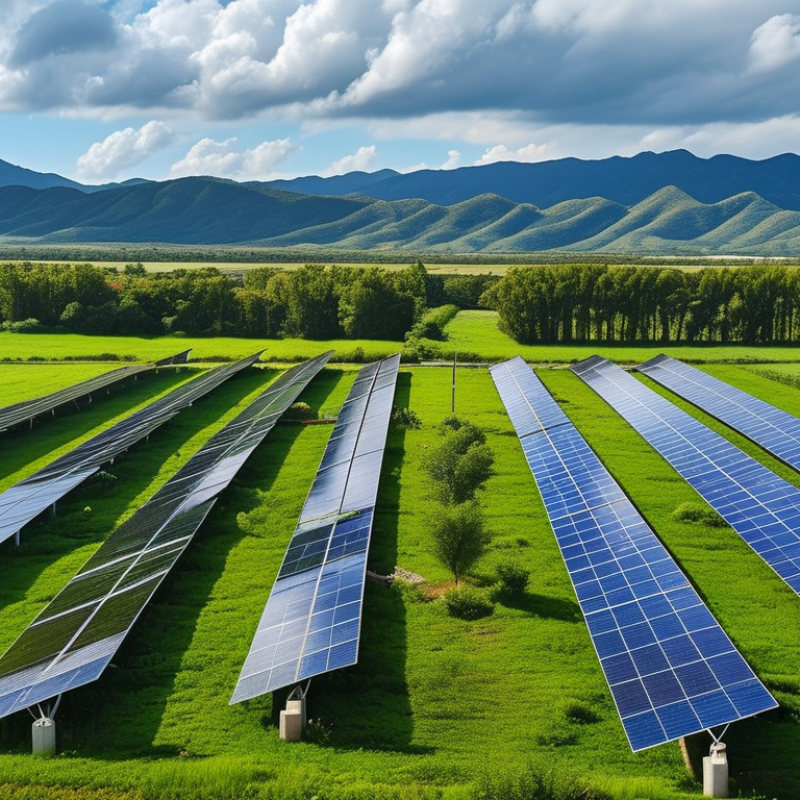
Solar inverters are crucial components of solar energy systems. They convert the DC electricity generated by solar panels into usable AC electricity. This is essential for powering homes and businesses. A well-chosen inverter enhances system efficiency and energy output. The right inverter selection can also impact your energy savings.
Understanding different types of inverters is important. String inverters are common for residential setups. Microinverters offer benefits in shading situations. Hybrid inverters can integrate battery storage systems. Each type serves a unique purpose and has specific advantages. Exploring these options helps tailor the solar setup to your needs.
It's vital to assess your energy consumption. Knowing your usage patterns guides the inverter selection. Not every inverter suits every household. Some inverters perform better in specific conditions. Evaluate factors like energy needs, panel layout, and space. Finding the right fit requires careful thought and sometimes, trial and error. This process may lead to useful insights about your energy habits.
Types of Solar Inverters and Their Unique Features
When it comes to solar energy, choosing the right inverter is crucial. There are several types of solar inverters available, each with unique features suited to different energy needs. The main types include string inverters, microinverters, and hybrid inverters. Each type has its pros and cons, impacting efficiency and reliability.
String inverters are the most common choice. They are simple to install and cost-effective, making them popular for residential uses. However, they can struggle with shading issues. According to the National Renewable Energy Laboratory (NREL), performance losses can reach 25% under partial shading conditions.
On the other hand, microinverters operate at the individual panel level. This can maximize energy production, especially in shaded areas. However, they may come with higher upfront costs.
Hybrid inverters offer flexibility, allowing for integration with battery storage systems. They are ideal for homeowners looking to enhance energy independence. However, their complexity can lead to increased installation and maintenance costs.
As the solar industry is constantly evolving, the choice of inverter may not always be straightforward. Homeowners should assess their specific energy needs, costs, and the solar panel system when selecting an inverter. This careful consideration ensures the best outcome for home energy consumption.
Factors to Consider When Choosing a Solar Inverter
When selecting a solar inverter, several key factors deserve attention. Efficiency is critical; inverters convert solar energy to usable power. A higher efficiency rating means more energy harvested from your solar panels. Look for models that boast at least 95% efficiency. This small percentage can significantly impact long-term savings.
The type of inverter matters too. String inverters are common and affordable. However, they can limit performance if one panel is shaded. Microinverters, though pricier, optimize energy output on a panel-by-panel basis. They are suitable for rooftops with uneven sunlight exposure. The actual needs of your home should guide your choice here.
Consider warranties and maintenance as well. Good inverters often come with long warranties, signaling reliability. A warranty of 10 to 15 years is standard in the industry. However, installation quality also impacts performance. Sometimes, even the best inverter underperforms if installed poorly. Regular monitoring can help identify inefficiencies early on.
The Impact of Inverter Efficiency on Energy Production
Choosing the right solar inverter is essential for maximizing energy production. The efficiency of an inverter significantly impacts how much energy your solar panels convert into usable electricity. A higher efficiency means more power generation, which can lead to lower energy bills and a quicker return on investment.
When selecting an inverter, consider its efficiency rating. Most inverters have efficiency ratings between 90% and over 98%. This difference may seem small, but it can affect energy output, especially on cloudy days or during peak usage times.
Tips: Opt for inverters with a good temperature coefficient. Inverters can lose efficiency in high temperatures. Additionally, look for models with good warranties. This can indicate confidence in the product's durability and reliability.
Installation matters, too. A poorly installed inverter can underperform, regardless of its efficiency rating. Ensuring proper alignment and avoiding shading is crucial for optimal operation. Sometimes, overlooking these details can lead to unexpected energy losses.
Long-Term Benefits of Selecting the Right Solar Inverter
Selecting the right solar inverter is crucial for maximizing your energy investments. A quality solar inverter can improve efficiency and increase energy output. According to the National Renewable Energy Laboratory (NREL), a mismatched inverter can lead to a 20% reduction in energy production. This highlights the importance of making informed choices.
Long-term benefits are significant. A well-chosen inverter can enhance system longevity, often lasting over 10 years with proper care. The U.S. Department of Energy reports that investing in a high-efficiency inverter can reduce energy costs by up to 30% over its lifespan. This is particularly relevant in states that experience high energy rates.
However, not all inverters perform equally. Some may underdeliver on promises, leading to frustrations. Inverter selection also impacts device compatibility. It requires understanding your energy consumption patterns and grid requirements. Effective planning can yield better results. Research into inverter types, such as string, micro, and power optimizers, reveals that each has its strengths and weaknesses. Balancing efficiency with cost-effectiveness ensures a sound investment for years to come.
 English
  Français