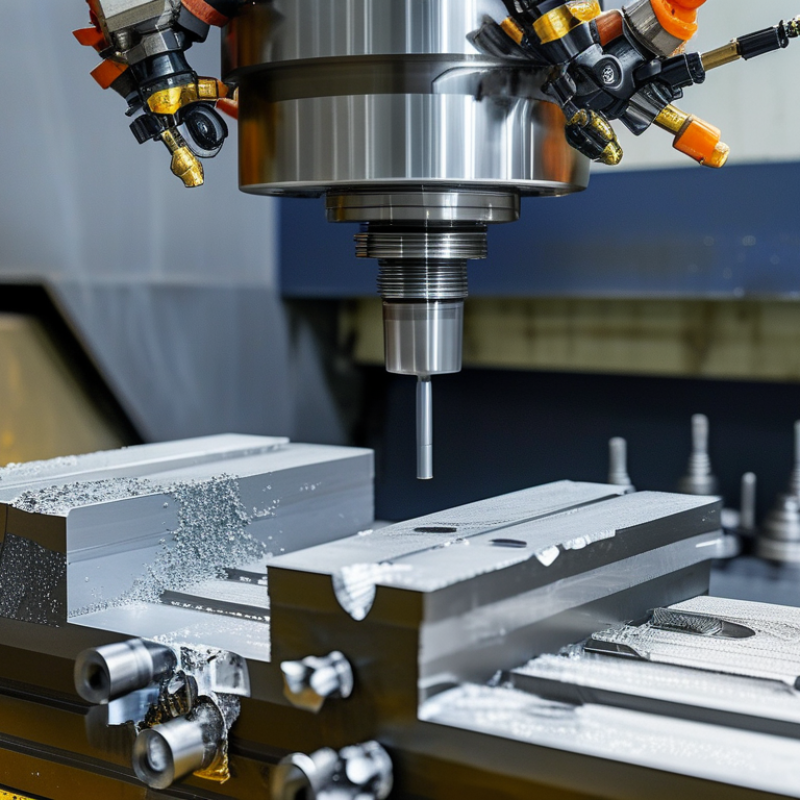
Precision Parts CNC Machining Best Practices for Global Buyers?
Precision Parts CNC Machining plays a crucial role in modern manufacturing. Global buyers seek reliable suppliers who offer high-quality services. This process requires a deep understanding of machining techniques and material properties.
In the world of CNC machining, attention to detail is vital. Small errors can lead to significant flaws in the final product. Buyers must work closely with manufacturers to ensure all specifications are met meticulously. It is not just about speed; precision holds greater importance.
Collaboration and communication are key in Precision Parts CNC Machining. Misunderstandings can result in costly mistakes. Buyers should encourage transparency and frequent updates throughout production. This engagement can lead to improvements and more successful outcomes. As the industry evolves, staying informed about best practices is essential for buyers.
Understanding CNC Machining: Key Concepts for Global Buyers
CNC machining is essential for precision parts production. It involves subtractive manufacturing, where material is removed from a solid block. Global buyers must grasp critical CNC concepts to ensure successful procurement. Understanding material types, tolerances, and machine capabilities is vital.
According to a report by MarketsandMarkets, the global CNC machining market is projected to reach $100 billion by 2025. This growth reflects the rising demand for precision components across various industries. Buyers should pay attention to the specifications of the parts they require. Failure to communicate these can lead to costly errors.
There is a growing trend of automation in CNC machining. While this enhances efficiency, it also introduces new challenges. Not all machines are equally versatile or reliable, and not every supplier is equipped to handle complex projects. Buyers should evaluate suppliers based on their technological capabilities and experience in the field. Relying on industry standards can help gauge performance. However, it does not guarantee perfection. Understanding these dynamics is crucial for better decision-making in a competitive global market.
Essential Factors to Consider When Selecting a CNC Machining Supplier
When selecting a CNC machining supplier, experience matters. A supplier with years of industry experience often has refined processes and better quality control. Look for manufacturers who have completed diverse projects. This diversity shows their ability to adapt and innovate. Sometimes, what seems like a small project can reveal problems. Not every experienced supplier will meet your needs.
Quality certifications play a crucial role in ensuring reliability. They demonstrate that a supplier adheres to specific industry standards. Check for certifications like ISO 9001. Such credentials often indicate a commitment to quality. However, remember that certifications can be outdated. It’s important to ask how recently they were obtained and if the processes have changed.
Communication is another critical factor to consider. Suppliers should be responsive and transparent. When questions are asked, they need to provide clear answers. If a supplier is vague, it could indicate potential issues. Regular updates on project status are essential. A supplier who keeps you informed shows professionalism. In the end, finding the right CNC machining supplier isn't always straightforward. It requires due diligence and careful consideration of multiple factors.
Best Practices for Quality Control in CNC Machining Processes
Quality control is essential in CNC machining processes. It ensures that precision parts meet exact specifications. Implementing a robust quality management system is crucial. Key practices include regular calibration of machines. This helps maintain the accuracy of dimensions.
Another important aspect is conducting routine inspections. This can catch issues before they escalate. Using standardized measuring tools can provide reliable data. Visual inspections are insightful but may overlook hidden flaws. Investing in advanced technologies, like optical inspection systems, can enhance detection capabilities.
Documentation is vital for quality assurance. Maintaining detailed records allows for traceability. It reveals patterns or recurring issues needing attention. Engaging employees in quality processes fosters ownership. However, some teams may resist change. Continuous training can mitigate resistance and promote a culture of quality. Quality control in CNC machining is an ongoing journey that requires commitment and adaptability.
Quality Control Metrics in CNC Machining Processes
Cost Management Strategies for Precision CNC Machining Projects
Cost management in precision CNC machining is a critical aspect that global buyers must navigate. According to a report from the International Federation of Robotics, effective cost management can reduce project costs by up to 30%. One key strategy is to establish a clear scope of work. Defining all project parameters upfront minimizes revisions and unexpected expenses.
Additionally, sourcing materials wisely can significantly affect the bottom line. Choosing local suppliers can reduce shipping costs and lead times. A McKinsey report indicates that nearly 20% of a project’s cost can be attributed to logistics. It’s essential for buyers to build strong relationships with suppliers to negotiate better rates and avoid material shortages.
While it’s tempting to prioritize the lowest price, quality should not be sacrificed. If a lower-quality part fails, the cost of rework can exceed initial savings. Monitoring quality standards throughout production is vital. Investing in quality assurance programs can offset costs in the long run. These practices not only foster trust but also ensure the sustainability of the supply chain.
Precision Parts CNC Machining Best Practices for Global Buyers
| Aspect | Description | Cost Management Strategy | Performance Metric |
| Material Selection | Choosing the right material impacts performance and costs. | Evaluate alternative materials to reduce costs without compromising quality. | Cost per unit of material |
| Machining Tolerances | Setting precise tolerances ensures product fit and function. | Balance between tight tolerances and machining costs. | Percentage of parts meeting specifications |
| Process Optimization | Improving machining processes enhances efficiency. | Implement lean principles to reduce waste. | Cycle time reduction percentage |
| Quality Control | Continuous quality checks reduce defects. | Invest in technology for real-time monitoring. | Defect rate |
| Supplier Management | Building relationships with suppliers improves reliability. | Negotiate better terms and build partnerships. | Supplier on-time delivery rate |
Navigating Supply Chain Challenges in Global CNC Machining Markets
In today's global market, navigating supply chain challenges in CNC machining is crucial for buyers. Supply chain disruptions can arise from various factors, such as geopolitical tensions and raw material shortages. These realities often lead to increased lead times and fluctuating costs. Buyers must remain vigilant and adaptable to these uncertainties.
Establishing strong partnerships with suppliers is vital. Regular communication can help identify potential issues before they escalate. Implementing technology to monitor supply chain efficiency is also beneficial. Tools such as ERP systems can provide valuable data. However, reliance on technology alone can create blind spots in understanding local contexts. Human insight remains irreplaceable.
Buyers also face quality assurance challenges. Diverse manufacturing practices across regions can lead to inconsistent results. It is essential to conduct thorough audits and establish clear quality standards. This process can reveal gaps in production procedures. Recognizing these weaknesses early can foster better practices and prevent costly mistakes down the line. Buyers need to embrace a proactive approach to enhance their global CNC machining strategies.
 English
  Français