What to Consider When Buying a Single Garden Gate?
Choosing a single garden gate may seem straightforward, but it requires careful thought. This gate is often the first impression of your garden. It serves as a transition from the outside world to your personal oasis.
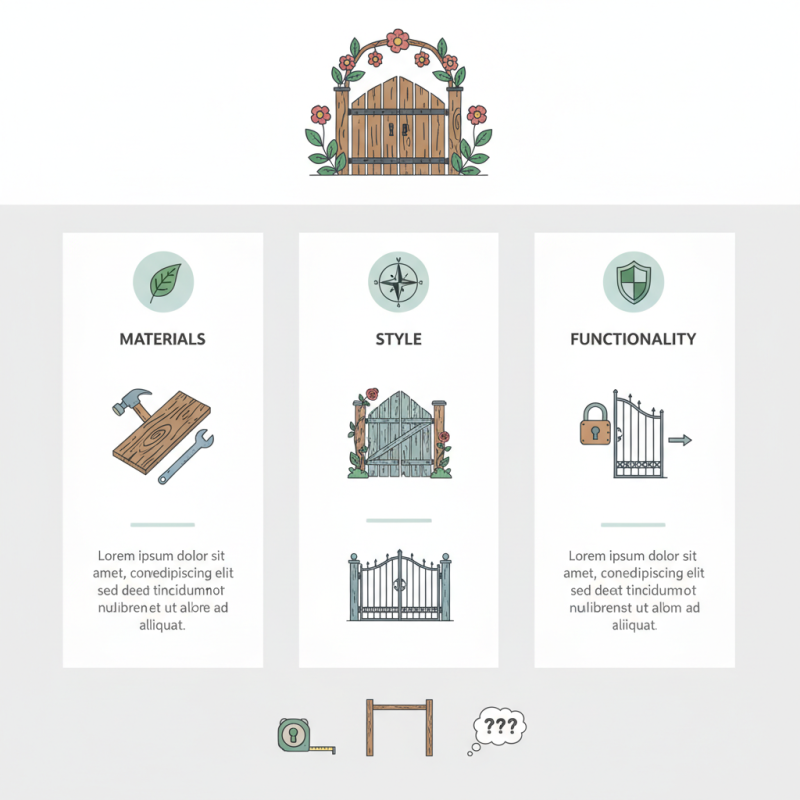
When selecting a single garden gate, consider materials, style, and functionality. Wooden gates offer warmth but may need maintenance. Metal gates provide durability with a modern touch. Think about the design that complements your home and garden. Styles can range from rustic to sleek and modern.
Consider security and ease of use too. A gate should provide a sense of safety while being easy to open and close. Take measurements to ensure it fits well in your space. Reflect on these factors carefully, as a decision made in haste may lead to future regrets.
Types of Single Garden Gates: Materials and Designs
When choosing a single garden gate, the material and design are crucial. Options include wood, metal, and vinyl. Each material offers unique benefits. Wood provides warmth and can be painted or stained. Metal gates are durable and can withstand harsh weather. Vinyl offers low maintenance and comes in various colors.
Consider the style of your garden. A classic wooden gate may suit a cottage-style garden. A modern metal gate can enhance a contemporary landscape. Think about the overall aesthetic. Pay attention to how the gate complements existing structures like fences and houses.
**Tips:** Ensure the gate is functional. Measure the entrance carefully. A gate too small may look odd. A gate too large can be cumbersome. Choose hinges that match the gate's weight. Quality hardware ensures longevity and ease of use. Consider security features for added peace of mind.
Types of Single Garden Gates by Material
Assessing Your Garden's Size and Entrance Requirements
When considering a single garden gate, the size of your garden plays a critical role. According to industry reports, 60% of homeowners overlook the dimensions of their space. Assessing your garden's layout helps ensure functionality. A well-planned entryway can enhance your garden's aesthetic while providing security and accessibility.
Take precise measurements of your entrance. An ineffective gateway can hinder movement. Research indicates that gates between 36 to 48 inches wide accommodate most foot traffic. A narrow entrance may limit access for larger items, such as garden equipment. It is essential to envision how the gate fits into both your garden's landscape and your daily use.
Moreover, consider the placement of your gate. A prominent location can elevate your garden’s visual charm. A study published by the National Gardening Association highlights that entrance visibility improves property value by up to 15%. However, balance design and functionality. Overly ornate gates may confuse and overpower the natural beauty of your garden. In the end, finding the right match between size, style, and purpose remains a thoughtful endeavor worthy of reflection.
What to Consider When Buying a Single Garden Gate? - Assessing Your Garden's Size and Entrance Requirements
| Aspect | Description | Considerations |
| Garden Size | The overall area of your garden. | Choose a gate that complements the scale of the garden. |
| Entrance Location | Where the gate will be placed within the garden. | Ensure accessibility and flow into the garden space. |
| Material | Type of material used for the gate (wood, metal, vinyl). | Consider durability, weather resistance, and aesthetic. |
| Height | The vertical measurement of the gate. | Higher gates offer more privacy; lower gates can enhance openness. |
| Style | Design and appearance of the gate. | Choose a style that integrates with garden theme. |
| Security Features | Locks, hinges, and other security features. | Consider how secure you need the garden to be. |
| Budget | The amount you are willing to spend. | Plan for quality; durable gates may have a higher upfront cost. |
Security Features to Consider for Your Garden Gate
When choosing a garden gate, security should be a top priority. A gate is the first line of defense for your home. Start by considering the materials. Opt for sturdy options like metal or hardwood that resist force and weathering. A well-built gate not only looks good but also deters intruders.
Look closely at the locking mechanisms. A simple latch will not suffice. Consider deadbolt locks or electronic keypads for better security. These features can make unauthorized entry much more difficult. Additionally, adding a motion sensor light near the gate can enhance safety during nighttime. Visual deterrents often discourage potential trespassers.
Lastly, think about the overall installation. A gate that is poorly hung or uneven can create gaps. Such gaps become vulnerable points for intruders. Regular maintenance is crucial. Check the condition of the hinges and locks periodically. Reflecting on these details can significantly improve your garden's security.
Budgeting for Your Garden Gate Purchase and Installation
When budgeting for your garden gate, consider both the purchase price and installation costs. Research suggests that 40% of homeowners overlook installation fees, which can add an extra 20% to 30% to the total cost. Depending on the material, prices range significantly. Wooden gates may start at $100, while wrought iron gates can exceed $500.
Quality is essential. A gate is not just a boundary; it adds value to your property. A well-crafted gate can enhance curb appeal and, according to a recent survey, improve home resale value by nearly 20%. Always account for the long-term. Cheaper options may require more frequent repairs or replacements, which could strain your budget over time.
Innovative installation techniques can help. Some DIY-friendly designs save on labor costs, but they need a certain skill level. If unsure about your abilities, hiring a professional ensures a job well done. However, getting multiple quotes is wise. This can provide peace of mind and help avoid overspending. A comprehensive approach ensures you invest wisely in both gate quality and proper installation.
Maintenance Tips for Longevity of Your Garden Gate
Maintenance is crucial for the longevity of your garden gate. Regular care can prevent major issues and extend its life. First, inspect your gate often for any signs of wear or damage. Look for rust on metal gates or rot in wooden ones. Early detection is key to effective maintenance.
Cleaning is another essential step. Use mild soap and water to clean your gate. Rinse it thoroughly to avoid residue buildup. For wooden gates, consider applying a wood preservative. This can help prevent rotting and decay. Keep in mind that ignoring dirt can lead to long-term damage.
Weather impacts your gate as well. In rainy climates, water can cause metal to rust and wood to warp. A protective coating can mitigate these effects. During winter, snow and ice can create additional stress on the structure. Take care to clear heavy snow from around your gate to prevent strain. Regular maintenance may require time, but it pays off in durability and aesthetics.
 English
  Français