
10 Decorative Paper Sheets Buying Tips for Global Buyers

    Decorative Paper Sheets can shape a product’s first impression before a customer touches it. Color, texture, weight, and finish all influence how a sheet looks under store lighting or performs during folding and printing. Yet attractive photos rarely tell the whole story. A matte surface may feel warmer than expected, while a glossy coating can show fingerprints. Small details matter.

    For global buyers, selecting Decorative Paper Sheets also means checking practical specifications and supplier consistency. Request samples from the intended production batch when possible, not only a showroom swatch. Compare sheet size, basis weight, color variation, coating, and packaging against your actual use. Ask how sheets are protected from moisture, corner damage, and shifting during shipment. Confirm lead times and minimum order quantities in writing, then review any stated tolerances carefully. A sample can reassure you, but it cannot guarantee every carton will look identical.

    This guide introduces ten buying tips, from defining the application to assessing quality, communication, and delivery readiness. It is designed to help importers, wholesalers, and product teams ask clearer questions before committing to volume. Some choices remain subjective. A shade that looks elegant on screen may feel too cold beside a real fabric swatch. That is not a failure of expertise; it is a reason to test, compare, and document decisions. Use the tips as a working checklist, while leaving room to revise assumptions after handling the paper yourself.
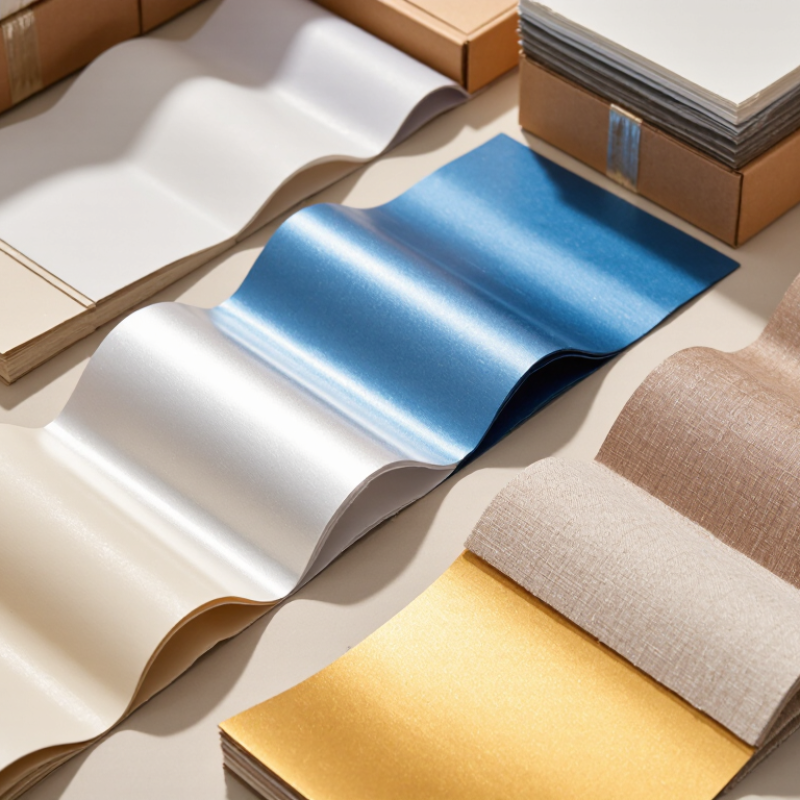
    10 Decorative Paper Sheets Buying Tips for Global Buyers

    Understanding Decorative Paper Sheets and Their Common Types

    Decorative paper sheets are selected for both appearance and performance. Buyers usually compare surface, thickness, flexibility, and print consistency. A sheet that looks elegant under showroom lighting may feel too slick for handwriting. Check it under ordinary light, too. Small differences matter.

    Common types include coated paper, uncoated paper, embossed paper, and specialty finishes. Coated sheets often show printed colors clearly and wipe clean more easily, while uncoated sheets offer a softer feel for notes or craft work. Embossed paper has raised patterns that catch the fingertips. Metallic finishes and woodgrain or stone-look prints create stronger visual effects, but can appear different across batches. Not every texture suits every use. A deep emboss may complicate folding, and a glossy finish can show fingerprints.

    Tips: Request samples from the actual production range, not only a display swatch. Compare weight, color, and surface feel side by side. Ask about sheet dimensions and packaging, since curled corners can slow handling. If the paper will be printed or glued, test that process first. Even careful checks can miss a slight shade shift; record acceptable tolerances before ordering.

    Defining Project Needs, Sheet Sizes, and Design Requirements

    Before comparing decorative paper sheets, define the project’s job. Will the paper wrap gift boxes, line drawers, cover invitations, or support craft work? Each use changes the required weight, flexibility, and surface finish. A stiff sheet may hold a crisp fold but crack at a tight crease. A textured finish can look elegant, yet make small printed text harder to read. Write down the intended use, handling conditions, and any finishing steps before requesting samples. That changes everything.

    Confirm sheet dimensions against the finished product, not just the supplier’s standard sizes. A few millimeters can affect trimming, folding, or machine feeding. Ask whether listed measurements are exact, and allow for cutting tolerance when planning layouts. Design requirements matter just as much: record preferred colors, pattern scale, opacity, and whether both sides need decoration. Small samples help. Check them under the lighting used at the destination, since colors can appear warmer or duller under different bulbs. One easy-to-miss detail is grain direction; it may influence how a sheet folds. I would not approve a bulk order from a screen image alone. Test a physical sample with the actual printer, adhesive, or folding method, then note any mismatch before confirming quantities.

    10 Decorative Paper Sheets Buying Tips for Global Buyers - Defining Project Needs, Sheet Sizes, and Design Requirements
    No. Buying Tip What to Define Useful Specifications or Checks Buyer Action
    1 Define the project use Identify whether the sheets are for invitations, scrapbooking, origami, gift wrapping, collage, or packaging. Flat applications and folded projects can require different flexibility, surface finishes, and sheet weights. Share a sample of the finished item or describe how the paper will be cut, folded, glued, or printed.
    2 Choose a sheet size Confirm the finished sheet dimensions and whether sheets need trimming. Common reference sizes include A4 (210 × 297 mm), A3 (297 × 420 mm), US Letter (8.5 × 11 in), and 12 × 12 in (304.8 × 304.8 mm). Specify dimensions in millimetres or inches and state the acceptable tolerance.
    3 Select the paper weight Match the sheet weight to the intended handling, folding, and display requirements. Paper weight is commonly stated in g/m² (gsm). A higher gsm generally indicates more mass per area, but does not by itself define thickness or stiffness. Request a physical sample when rigidity or folding performance is important.
    4 Specify the design Describe the pattern, illustration, motif scale, repeat, and direction of the artwork. Clarify whether the design is single-sided or double-sided, and whether it must align across adjacent sheets. Provide a reference image or approved artwork and identify any required colour or layout variations.
    5 Choose colours carefully Define the colour palette and the level of colour consistency needed between sheets or batches. Screen appearance can differ from printed colour because displays and print processes reproduce colour differently. Approve a physical colour proof under suitable lighting before placing a large order.
    6 Select the surface finish Choose among finishes such as uncoated, coated, textured, embossed, metallic-effect, or glitter-effect. Texture and coatings can affect writing, printing, adhesion, folding, and the appearance of reflected light. Test the intended ink, adhesive, or print method on the selected finish.
    7 Check printing compatibility Confirm whether the sheets will be printed digitally, with an inkjet or laser printer, or by another process. Printer limits vary by model and may include maximum sheet size, paper weight, thickness, and feed direction. Check the printer manual and run a test print before ordering production quantities.
    8 Review material claims Set requirements for recycled content, fibre sourcing, acidity, or other material attributes when relevant. Claims such as recycled, acid-free, or responsibly sourced should be supported by product documentation or applicable certification evidence. Request the exact specification and supporting documents for the paper being quoted.
    9 Plan quantity and packaging Estimate the number of sheets needed, including allowance for cutting, testing, and defects. Confirm sheets per pack, packing method, protection from moisture and bending, and whether mixed designs are available. Ask for the packed dimensions and gross weight when arranging storage or international freight.
    10 Approve a production sample Check that the final sample matches the agreed size, weight, colour, artwork, and finish. Inspect several sheets for trimming, surface marks, print registration, and consistency within the sample pack. Record the approved specifications in the purchase order before confirming production.

    Evaluating Paper Quality, Finish, Durability, and Sustainability

    For decorative paper sheets, inspect a physical sample in daylight. Check for even color, clean edges, and consistent thickness. Grammage helps compare weight, but it does not prove strength. Fold a corner, rub the printed surface, and test whether ink transfers. A small flaw matters. It may show up across a full production run.

    Finish should suit the job. Matte paper can soften glare in invitations, while coated gloss makes colors appear sharper. Ask suppliers for coating details and a sample of the finished sheet, not just a digital image. For wrapping or craft use, test crease resistance and whether adhesive lifts the surface. A beautiful finish can be less practical than expected.

    Durability and sustainability need evidence. Request recycled-content details, fiber sourcing documentation, and clear end-of-life guidance. The U.S. EPA’s 2018 Advancing Sustainable Materials Management report recorded a 68.2% recycling rate for paper and paperboard; actual recovery still depends on local collection systems and coatings. FAO’s 2022 Forest Products Yearbook reports roughly 401 million tonnes of global paper and paperboard production, underscoring the scale of fiber demand. Certifications and supplier records help, but they are not substitutes for checking the sheet itself. I would not assume “recyclable” means every buyer can recycle it.

    Checking Supplier Credentials, Samples, and Customization Options

    Global buyers should check a supplier’s business registration, production address, and experience with comparable paper orders. Ask for references and verify key details through independent records where available. Request clear answers about coating, paper weight, color control, and packing. Specific replies matter. A polished sales profile alone proves little.

    Order decorative paper samples before approving a larger quantity. View them in daylight and under warm indoor lamps; metallic inks and pale pastels can look different. Fold a corner, trim an edge, and test printing or adhesive compatibility if needed. Keep one approved sheet as a control sample. Small batch differences happen. Ask how the supplier measures tolerances and handles variations. A hand-picked sample may not represent a full production run, so request a production sample when possible.

    Discuss customization in measurable terms: sheet size, finish, print method, and pattern repeat. Send artwork with clear dimensions, then review a digital proof. For complex designs, request a physical pre-production sample. Confirm minimum order quantities, setup charges, lead times, and protective packaging in writing. Ask whether custom colors can be matched to a physical reference; screens are unreliable. There may be a trade-off between exact color and recycled content. Record it before ordering. No sample removes every risk.

    Comparing Prices, Order Terms, Packaging, and Shipping Plans

    When comparing decorative paper sheet prices, request quotes for the same basis: sheet size, paper weight, finish, quantity, and tolerances. A low unit price can hide setup charges, mixed-grade stock, or costly protective packing. Ask suppliers to list these separately. Small differences matter.

    Tip: Compare landed cost, not just the paper price. Confirm the quotation’s currency, validity period, payment schedule, minimum order, sample fees, and responsibility for freight and insurance. Check whether cartons are moisture-resistant and whether sheets are interleaved or wrapped. A clear packing specification helps prevent curled corners and surface scuffs.

    Shipping plans need realistic buffers. The World Bank’s 2023 Logistics Performance Index reports an average 44 days between port loading and discharge for international shipments, with a 10.5-day standard deviation. That is an average, not a delivery promise. Ask for production time, port cut-off dates, estimated transit, and a contingency plan for delays. Compare air and sea options against your launch date and stock level. Still, a buyer’s first spreadsheet is rarely complete; sample freight charges and destination handling fees can change the comparison. Request carton dimensions and gross weight before booking, then confirm shipment milestones in writing.