What is an Electrical Light Socket and How Does It Work?
An Electrical Light Socket is a fundamental component in modern lighting systems. It provides power to bulbs, enabling illumination in homes and offices. As noted by John McKenzie, a leading expert in electrical engineering, “The design of an Electrical Light Socket affects both safety and energy efficiency.” His insights highlight the importance of understanding this simple yet crucial device.
Electrical Light Sockets come in various types, each serving unique purposes. From standard sockets used in homes to specialized ones for outdoor lighting, their design matters. A poorly designed socket can lead to flickering lights or even fire hazards. It's essential to choose the right socket for specific applications to ensure optimal performance.
Many people overlook the nuances of Electrical Light Sockets. They assume all sockets are the same, but this is misleading. Understanding their structure and function can enhance energy savings and safety. As we delve deeper into the workings of Electrical Light Sockets, we encounter both challenges and insights that require careful consideration.
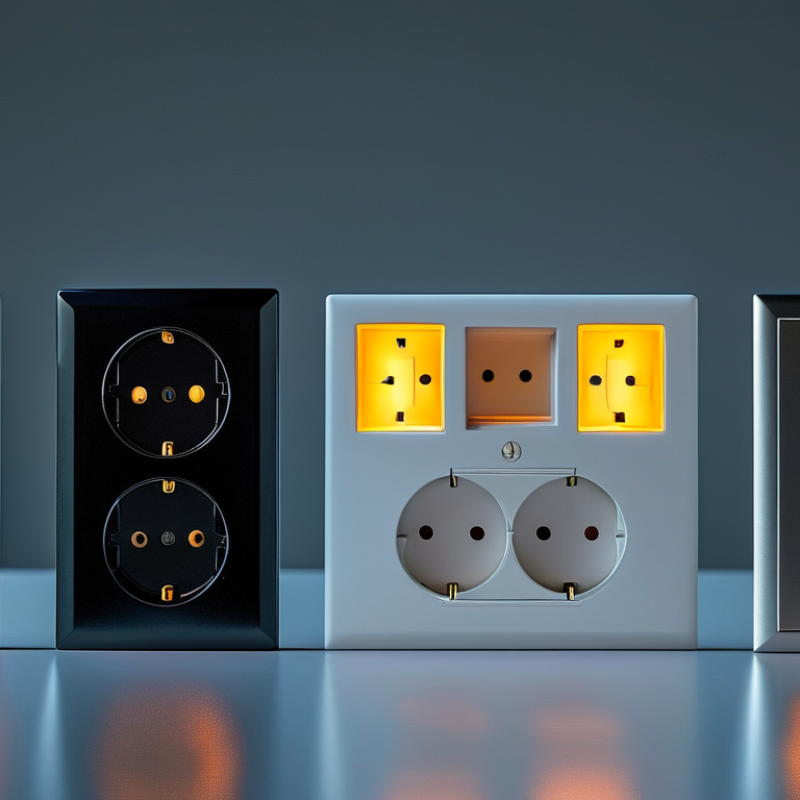
What is an Electrical Light Socket?
An electrical light socket is a device that connects a light bulb to a power source. It provides a base for the bulb and facilitates electrical contacts to allow illumination. Typically made of plastic or ceramic, sockets come in various shapes and sizes to accommodate different bulb types. The design ensures safety and ease of use, allowing bulbs to be easily replaced when they burn out.
Some sockets are designed to handle higher voltages or specific fixtures. Therefore, understanding your socket type is crucial before replacing a bulb. Familiarize yourself with the wattage and type of bulb that each socket can support. This knowledge will help prevent overheating or electrical issues.
When working with light sockets, always ensure that the power is off. It is an easy oversight to assume it's safe when it is not. Inspect the socket for any signs of wear or damage. Over time, sockets can wear out, leading to potentially dangerous situations. Regular maintenance can safeguard against unexpected failures. Prioritize safety and knowledge when dealing with electrical components.
Types of Electrical Light Sockets
When it comes to electrical light sockets, understanding the different types is essential. Common types include the screw base, bayonet socket, and plug-in socket. Each type serves a specific purpose and is used in various applications. For instance, screw bases are frequent in households due to their versatility. They come in several sizes like E26 or E27, accommodating various bulb wattages.
Bayonet sockets are another interesting option. They feature a simple twist-and-lock design. This allows for easier bulb changes, but users may find them slightly less intuitive. Furthermore, plug-in sockets are popular in newer lighting systems. These are often seen in LED designs and involve a straightforward insertion process.
It is important to consider compatibility when choosing a socket. Installation can be tricky for those unfamiliar with electrical work. Improper connections can lead to safety hazards, such as electrical fires. Understanding each type's advantages and disadvantages ensures a safer choice. This knowledge empowers users to select the right socket for their specific needs, enhancing both utility and safety in their lighting solutions.
Components of a Light Socket
Light sockets are essential components of electrical lighting systems. They provide the connection between the electrical supply and the light bulb. Understanding the parts of a light socket can help you troubleshoot and make informed choices when replacing or installing them.
A typical light socket consists of a base, a central contact, and a fixture. The base houses the light bulb, while the central contact connects to the power supply. The fixture is usually made of materials that can handle heat, such as ceramic or metal. This combination ensures both functionality and safety.
When dealing with light sockets, always ensure the power is off before any work. Consider using a multimeter to test for live connections. Regularly check for signs of wear or damage, as this can lead to failures or electrical hazards. Inspect the interior and exterior for corrosion, which can hinder performance.
Choosing the right socket is crucial. Match the socket type with your bulb. Different bulbs may require specific sockets, impacting efficiency and longevity. Adapting to new technologies, like LED bulbs, can greatly minimize energy consumption and maintenance costs. Always feel free to consult an expert when in doubt about installations.
How Electrical Light Sockets Work
Electrical light sockets are essential components in our daily lives. They serve as the interface between electrical fixtures and the power supply. Understanding how these sockets work can help prevent electrical hazards and ensure that lighting systems function properly.
At the core of an electrical light socket is a simple mechanism. When a bulb is inserted and twisted into place, metal contacts in the socket connect with the bulb’s base. This connection allows electricity to flow, illuminating the bulb. The socket also features a structure that supports and holds the bulb securely. Over time, wear and tear can compromise these connections, leading to flickering lights or even complete failures. Regular checks can help identify wear before it becomes a problem.
Safety features are built into light sockets to prevent accidents. Many include fuses or circuit breakers that cut off the current in case of overloads. However, issues such as loose wiring or corrosion can still pose risks. It’s crucial to address any signs of damage quickly. Taking the time to inspect and maintain these fixtures can make a difference in safety and efficiency. While sockets are often taken for granted, they deserve attention for their role in powering our homes.
Safety Considerations for Using Light Sockets
When using electrical light sockets, safety should always be a top priority. According to the National Fire Protection Association (NFPA), electrical failures or malfunctions caused over 23,000 home fires in 2020. Poorly maintained or overloaded light sockets significantly contribute to this alarming statistic. Therefore, inspecting light sockets regularly for signs of wear, such as frayed wires or discoloration, is essential.
Proper installation and use of light bulbs are also crucial. Using the correct wattage prevents overheating. For instance, a socket rated for 60 watts should never be used with a 100-watt bulb. Overheating can lead to fire hazards, addressing the critical need for consumer awareness. Besides, always ensure that light sockets are securely fastened to prevent loose connections, which may cause arcing or short circuits, further increasing risks.
An often overlooked issue is the importance of choosing quality components. Reports suggest that low-quality sockets often fail prematurely. They may not meet safety standards, potentially leading to dangerous situations. Ensuring that all light socket components comply with established safety regulations is necessary for a secure home environment. Maintaining vigilance in these areas can significantly enhance safety while using electrical sockets.
 English
  Français