What Is the Best Plasma Cutter in China?
Choosing the best Plasma Cutter in China depends on the work it must perform, not the boldest number on a product page. A workshop cutting thin sheet metal has different needs from a fabrication shop handling thick plate all day. Amperage matters, but so do duty cycle, cut quality, air requirements, and the availability of consumables. A machine that looks powerful on paper may struggle when its torch runs hot or replacement parts are difficult to source.
The expert quotation requested cannot be verified because no source article, expert name, or quotation was provided. Inventing one would weaken the reliability of this guide. A useful buying principle is simple: compare cutters on the same material, thickness, and operating conditions. Look for clean edges, steady piercing, and a torch that feels manageable during repeated cuts. Ask suppliers for a demonstration using your own metal, if possible. Watch the cut, not just the spark.
This guide examines Chinese Plasma Cutter options through practical buying criteria: performance, build quality, support, and value. It also considers where specifications can mislead, especially when ratings depend on ideal conditions. There is no universal winner. The right choice should fit your workload, budget, and access to service. Some trade-offs remain, and buyers should verify them before ordering.
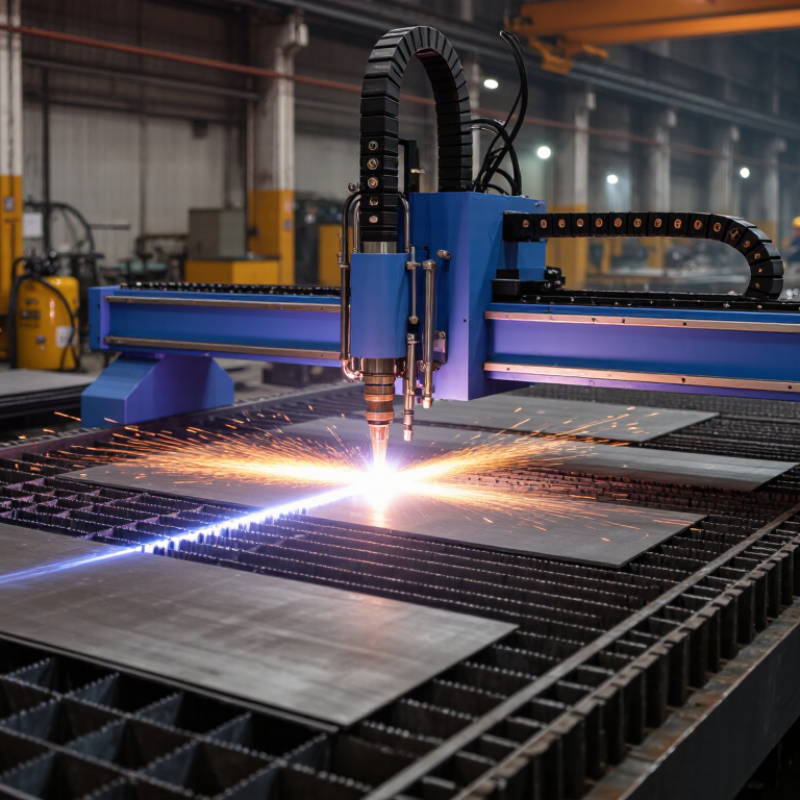
How Plasma Cutters Work and Where They Are Used
A plasma cutter sends an electrical arc through gas, turning it into an electrically conductive plasma stream. The nozzle narrows the stream, while compressed gas pushes molten metal out of the cut. TWI’s technical guidance describes this process as suitable for electrically conductive metals, including steel, stainless steel, and aluminum. That sounds simple. It isn’t. Cutting speed, gas pressure, torch height, and worn consumables all affect the edge.
Plasma cutters are used in metal fabrication shops, repair yards, construction, and vehicle manufacturing. They cut sheet, plate, and shaped sections for frames, brackets, ductwork, and machinery parts. The World Steel Association’s World Steel in Figures 2024 reports approximately 1.89 billion tonnes of crude steel production in 2023. This figure does not measure plasma cutting, but it shows the scale of the material used across industries where metal cutting is essential.
For buyers in China, the best machine depends on the work, not just the advertised amperage. A small workshop cutting thin sheet needs different capacity from a fabrication line handling thick plate. Check the rated cutting thickness, duty cycle, input power, and availability of replacement consumables. Also inspect sample cuts: rough edges and excess dross can mean more grinding later. A perfect cut every time? Not quite. Torch setup and operator skill still matter.
Types of Plasma Cutters Manufactured in China
Chinese-made plasma cutters generally fall into four practical types: handheld air-plasma units, inverter cutters, CNC-compatible mechanized systems, and high-definition machines. Handheld models suit repair work and small workshops. Their compact torches can cut sheet steel on a bench, though edge quality depends heavily on travel speed and air pressure. Inverter designs reduce machine weight and power demand. They are useful where equipment must be moved between work areas.
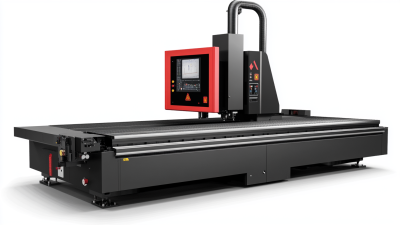
CNC systems pair a plasma power source with a cutting table, torch-height control, and motion software. They handle repeatable shapes in fabrication shops. High-definition systems use a narrower, more concentrated arc for cleaner cuts and tighter tolerances. That precision brings higher equipment and maintenance demands. There is no neat winner. The right type depends on material thickness, duty cycle, available power, and whether the work is manual or automated.
The industry context is substantial: World Steel Association’s World Steel in Figures 2024 reports that China produced 1,019.1 million tonnes of crude steel in 2023, about 54% of global output.
That scale supports broad demand for metal-processing equipment, but it does not prove that every cutter is suitable for every shop. Buyers should compare rated cutting thickness with their regular workload, not just the maximum figure. I may be overvaluing cut quality here; for occasional repairs, portability and easy consumable replacement can matter more.
Key Factors for Comparing Chinese Plasma Cutters
What Is the Best Plasma Cutter in China?
Key Factors for Comparing Chinese Plasma Cutters
The best plasma cutter depends on your material, workload, and available power supply. Compare machines using the same metal thickness and cutting conditions. A stated maximum thickness may describe a rough severance cut, not a clean production edge. Ask for both figures. Check the duty cycle, input voltage, air pressure requirements, and consumable availability. These details matter when a machine runs through a full shift. Look for clear manuals, responsive technical support, and documented test results. Specifications can look tidy on paper; workshop performance is less predictable.
Tips: Request a sample cut on your own material. Inspect the edge for slag, bevel, and heat distortion. Keep the test settings.
Also consider the torch weight, cable length, and how easily operators can replace consumables. If the cutter will move between work areas, portability may matter more than peak output. Compare warranty terms and spare-part lead times in writing. Not every supplier reports ratings in the same way, so verify unclear claims before ordering. A short demonstration can reveal practical issues that a data sheet misses.
What Is the Best Plasma Cutter in China? — Key Factors for Comparing Chinese Plasma Cutters
| Comparison Factor | Data to Compare | How to Evaluate It |
|---|---|---|
| Cutting application | Handheld or mechanized cutting; material type; material thickness; expected daily operating hours. | Choose a cutter for the actual job. A unit suitable for occasional repair work may not meet the throughput or integration needs of a production line. |
| Output current | Rated cutting current in amperes, plus the current range available for adjustment. | Compare current alongside the manufacturer's published cut-capacity data. Amperage alone does not establish cutting speed, edge quality, or usable thickness. |
| Cut capacity | Published recommended or production cut, maximum cut, and severance capacity, with material and operating conditions stated. | Do not treat severance capacity—the ability to separate material, often with a rougher edge—as the same as a clean, repeatable production cut. Request a test on the intended material and thickness. |
| Input power | Rated input voltage, phase, frequency, input current, and required circuit or protective-device rating. | Confirm compatibility with the installation site. Chinese equipment may be offered for different electrical configurations; verify the exact unit's nameplate and installation requirements rather than assuming they match. |
| Duty cycle | Duty-cycle percentage, rated output current, reference time period, and ambient temperature used for the rating. | Compare duty-cycle figures only at the same current and under comparable stated conditions. A higher percentage generally allows more continuous operation before the machine needs to cool. |
| Compressed-air supply | Required inlet pressure and air flow, air quality requirements, and whether a filter or air dryer is specified. | Check the compressor's delivered flow at the required pressure, not only its advertised maximum pressure. Follow the cutter manual for air quality and supply requirements. |
| Torch and consumables | Torch type and length, consumable part compatibility, expected replacement intervals, and local stock availability. | Check the cost and lead time for electrodes, nozzles, shields, and other specified wear parts. Confirm that replacement parts match the supplied torch and are available from the seller. |
| Cut quality and speed | Cutting speed, kerf or edge-quality guidance, dross expectations, and test results for the target material and thickness. | Compare results using the same material, thickness, cut length, and edge-quality criteria. A live sample cut is more useful than a maximum-thickness claim alone. |
| CNC compatibility | Machine-torch compatibility, torch-height-control provisions, interface signals, and any required CNC or automation connections. | For mechanized use, confirm the complete interface and torch setup with the table or control-system supplier. A handheld package may not include the connections or components required for CNC cutting. |
| Protection and safety | Applicable electrical and product-safety documentation, protective features, operating instructions, and required personal protective equipment. | Check documentation for the exact model and destination market. Plasma cutting also requires appropriate eye and face protection, ventilation, fire precautions, and safe handling of electrical equipment. |
| Warranty and service | Warranty duration and coverage, service response arrangements, spare-parts lead times, and availability of technical documentation. | Get coverage and exclusions in writing. Consider whether parts and qualified support can be obtained where the cutter will be installed. |
| Total operating cost | Purchase price, electricity use, compressed-air costs, consumables, maintenance, and expected downtime. | Compare cost over the intended service period, not just the initial price. Base estimates on the planned workload and the supplier's documented specifications. |
Comparison note: There is no single best cutter for every user. Model specifications and performance vary, so verify the exact machine's nameplate, manual, warranty terms, and cutting results before purchase.
How to Choose the Best Plasma Cutter for Your Needs
“Best” depends on the material, thickness, and workload. A cutter for occasional sheet repairs may struggle with repeated cuts through thick plate. Check both the recommended cutting capacity and the maximum severance rating; the latter is usually slower and rougher. Match the machine’s input power to the supply available in your workshop.
Look beyond amperage. Compare the duty cycle, which indicates how long the cutter can run before cooling. A higher rating can matter during long production runs, but may add cost and weight for occasional jobs. The air supply also matters: clean, dry compressed air helps protect consumables and maintain a steadier arc. That detail is easy to overlook.
Consider what you will cut most often. For thin sheet metal, precise output control can reduce heat distortion. For thicker plate, check that the torch and consumables suit the task, and that replacement parts are readily available. Do a test cut. Use a scrap piece of the same thickness, then inspect the edge for dross, bevel, and excess heat. A technically impressive machine is not automatically the right fit; even a careful choice can need adjustment once it meets your actual materials and work habits.
What Is the Best Plasma Cutter in China? How to Choose the Best Plasma Cutter for Your Needs
Typical clean-cut thickness ranges for mild steel by plasma cutter output current
Use these indicative ranges to shortlist a cutter: choose an output current suited to the thickness you cut most often, with extra capacity for occasional thicker work. Actual results vary with machine design, consumables, air quality, material, and cutting speed. Check the manufacturer’s rated clean-cut capacity before buying.
Safety, Maintenance, and Operating Costs
What Is the Best Plasma Cutter in China?
Safety, Maintenance, and Operating Costs
A cutter’s purchase price tells only part of the story. Budget for electricity, compressed air, consumables, and time lost to maintenance. The U.S. Department of Energy’s Improving Compressed Air System Performance sourcebook estimates compressed air accounts for about 10% of industrial electricity use, reaching 30% in some facilities. Leaks and oversized compressors can quietly raise costs. Check air pressure and moisture at the machine, not only at the compressor. A wet-air problem can spoil a clean cut.
Safety also affects real operating cost. Plasma cutting creates fumes, sparks, noise, and intense light, so provide suitable extraction and protective equipment for the job. OSHA’s hot-work rule addresses fire hazards within 35 feet and calls for a fire watch for at least 30 minutes after work when required. Inspect the torch, cables, ground connection, and consumables before cutting. Replace worn electrodes and nozzles when cut quality declines; waiting too long can waste material. The cheapest cut is not always the cheapest shift.
Tips: Track air leaks and consumable life for a month. Record the results. Compare cutters by cost per finished metre, not by rated speed alone.
Related Posts
-
Unlock Precision and Efficiency: Explore the Future with Plasma Laser Cutters for Modern Manufacturing
-
Understanding the Importance of the Best Metal Plasma Cutter Technology
-
Unveiling the Best Plasma CNC Machine Options for Your Business Needs
-
What is a Plasma Tube Cutter and How Does it Work?
-
How to Choose the Best Plasma Torch for Your Needs?
-
Maximizing Efficiency and Reducing Downtime with Cnc Plasma Cutter Maintenance Tips
English
Français