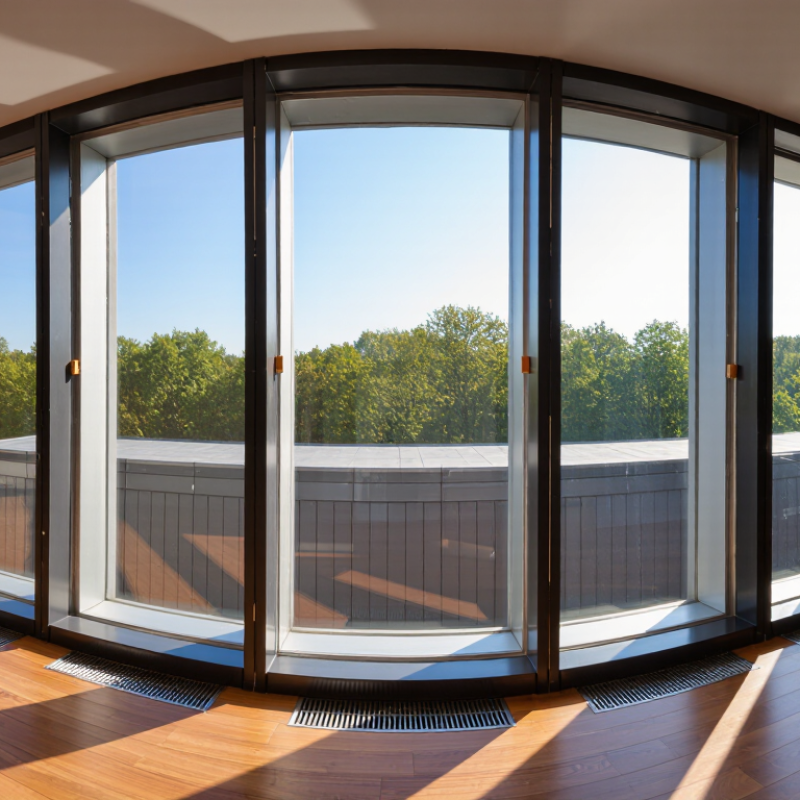
How to Choose Long Windows for Global Buyers in 2026?

    Choosing Long Windows in 2026 is not simply a matter of selecting the largest glass panel. It involves climate, orientation, structure, ventilation, safety, and installation quality. The International Energy Agency reports that buildings consume about 30% of global final energy and produce nearly 26% of energy-related emissions. Window performance therefore deserves serious attention, especially in homes exposed to strong sun, cold winds, or coastal humidity.

    Light matters. So does control.

    Architect Le Corbusier described the design challenge clearly: “The history of architecture is the history of the struggle for light.” For global buyers, that struggle now includes heat gain, glare, condensation, and rising cooling costs. Long Windows can provide wide views and stronger daylight, but poor glass selection may turn a bright room into a greenhouse. Low-emissivity coatings, suitable solar heat-gain coefficients, warm-edge spacers, and thermally broken frames can change the result significantly.

    This guide uses practical buying criteria and current building-performance research. Buyers should compare whole-window U-values, air leakage, water resistance, wind-load ratings, and tested installation details. Local standards may differ, so one certificate cannot answer every regional question. A product proven in northern Europe may require different glazing in Southeast Asia or the Middle East.

    A perfect ranking is impossible. That is worth admitting.

    Manufacturers often highlight frame strength or glass thickness, while buyers may overlook flashing, drainage, and installer experience. This article will examine those hidden details. It will also connect 2026 market expectations with measurable performance, helping global buyers choose Long Windows that look impressive and perform reliably.

    How to Choose Long Windows for Global Buyers in 2026?

    Define Long Windows and Their Main Applications in 2026

    How to Choose Long Windows for Global Buyers in 2026?

    Long windows are vertically or horizontally extended units with a noticeably larger proportion than standard square windows. There is no single global definition. In practical specification work, a window with a height-to-width ratio above 1.5:1 is often treated as long. That ratio is only a starting point. Structural limits, wind pressure, glass weight, and local building codes can change the final design.

    Their main applications in 2026 include narrow urban façades, stairwells, bedrooms, living rooms, and commercial corridors. Tall windows can bring daylight deeper into compact spaces. Operable sections may also support cross-ventilation. The 2024 Global Status Report for Buildings and Construction states that buildings consume about 32% of global energy. Window selection therefore affects more than appearance. The U.S. Department of Energy reports that windows can account for 25–30% of residential heating and cooling energy use. Frame quality, glazing, solar control, and installation remain equally important.

    For global buyers, long windows should be assessed by climate zone rather than fashion. Low-solar-gain glazing suits hot regions, while carefully selected solar exposure may help passive heating in colder areas. Large glass areas can also increase overheating and maintenance demands. That trade-off is easy to miss. Buyers should request tested U-values, solar heat gain data, air-leakage results, drainage details, and installation guidance. The 2023 International Energy Agency buildings analysis supports stronger envelope performance, but real results depend heavily on workmanship. A beautiful long window can still perform poorly when the surrounding wall is badly sealed.

    Assess Climate, Building Codes, and Regional Market Requirements

    How to Choose Long Windows for Global Buyers in 2026?

    Long windows can improve daylight, views, and natural ventilation. However, their performance depends strongly on local climate and building rules. The UNEP Global Status Report for Buildings and Construction 2024 states that buildings used 32% of global final energy in 2022. Large glazed areas therefore need careful thermal design.

    Start with climate data, not appearance. In hot regions, select low solar heat gain and external shading. In cold regions, prioritize low U-values, warm-edge spacers, and airtight installation. The World Meteorological Organization reported that 2024 was the warmest year recorded, at about 1.55°C above pre-industrial levels. That trend makes overheating risk harder to ignore.

    I have seen elegant long windows fail because the frame was suitable, but the surrounding wall was not. Wind pressure, water penetration, glass deflection, and condensation require project-specific calculations.

    Regional codes also change the specification. European projects commonly reference EN 14351-1 and national energy rules. North American projects often require tested U-factor, solar heat gain coefficient, air leakage, and structural performance. Australia’s National Construction Code places strong emphasis on energy efficiency, weatherproofing, and safety glazing. Requirements for fall protection, escape openings, fire separation, and laminated or tempered glass may differ by location. A familiar certificate is not always accepted overseas.

    Tips: Ask for climate-zone calculations, structural test reports, and installation details before ordering. Check the complete window-wall system, not only the glass. Leave room for mistakes in measurements; long units allow little tolerance. A local code consultant can prevent expensive redesigns.

    Compare Window Materials, Glass Types, Frames, and Opening Systems

    For global buyers, long windows should be selected by climate, orientation, and structural exposure. The U.S. Department of Energy estimates that windows cause 25–30% of residential heating and cooling energy use. This makes glass and frame performance commercially important, not merely decorative. Double glazing suits many mild climates, while triple glazing can reduce heat transfer in colder regions. Low-emissivity coatings improve insulation, but excessive solar control may darken rooms. Check U-value, solar heat gain coefficient, visible transmittance, and acoustic ratings together.

    Material choice changes both performance and maintenance. Thermally broken aluminium supports narrow frames and large glazed areas, but weak thermal breaks can create interior condensation. uPVC offers consistent insulation, although very large sashes require careful reinforcement. Timber provides warmth and repairability, yet needs disciplined moisture protection. Composite frames can balance stability and insulation, but their long-term recycling paths deserve closer questioning. UNEP’s 2023 Global Status Report states that buildings consumed about 30% of global final energy in 2022, so small envelope improvements matter across large projects.

    Opening systems also shape daily comfort. Casement and tilt-turn windows usually seal better than basic sliders, according to common whole-window testing practice. Lift-and-slide systems create wide openings, but their rollers and thresholds need precise installation. For tall units, specify wind-load calculations, laminated safety glass, drainage paths, and controlled opening limits. Standards differ between markets. Compare independently tested whole-window values, not brochure figures. I would not assume triple glazing is always superior; frame weight, local sunlight, installation quality, and maintenance can reverse the expected result.

    How to Choose Long Windows for Global Buyers in 2026? - Compare Window Materials, Glass Types, Frames, and Opening Systems

    Comparison Dimension Aluminum uPVC Timber Fiberglass / Glass-Fiber Composite Buyer Guidance for Long Windows
    Typical frame strength High; suitable for large spans when properly engineered. Moderate; reinforcement is commonly required for wide or tall sashes. High, depending on species, section design, and maintenance. High stiffness-to-weight ratio and good dimensional stability. For extra-long windows, verify structural calculations, sash weight, mullion deflection, and wind-load performance.
    Thermal performance Thermally broken profiles can provide good performance; standard metal frames conduct heat readily. Generally good because polymer profiles have low thermal conductivity. Naturally low thermal conductivity; performance depends on section depth and joints. Generally good and less affected by thermal bridging than untreated metal. Request whole-window U-value or Uw, not only center-of-glass performance.
    Weather and corrosion resistance Good when correctly finished; coastal environments require an appropriate corrosion-resistant finish. Very good resistance to moisture and corrosion; expansion must be considered. Requires durable coating, regular inspection, and careful water management. Very good resistance to moisture, rot, and corrosion in normal applications. Match the frame finish and drainage design to humidity, salt exposure, rainfall, and UV conditions.
    Maintenance demand Low; clean drainage paths and inspect seals and hardware. Low; clean profiles, drainage channels, seals, and hardware. Medium to high; coating renewal may be needed according to exposure. Low; routine cleaning and hardware inspection are usually sufficient. For hard-to-reach high-level glazing, prioritize low-maintenance frames and accessible hardware.
    Environmental considerations Highly recyclable; energy and emissions depend on primary versus recycled metal content. Long service life is possible; recycling systems and additives vary by region. Renewable material when responsibly sourced; coatings and end-of-life treatment matter. Durable and low-maintenance, but recycling routes are less established than for metals. Ask for environmental product information, recycled content, expected service life, and disposal options.
    Glass Type Insulation Solar Control Safety and Strength Acoustic Potential Best Use for Long Windows
    Double insulating glass unit Better than single glazing; performance improves with low-emissivity coating and inert-gas filling. Moderate to good, depending on coating and glass selection. Safety glass may be specified separately where required by local codes. Good when pane thicknesses are varied and laminated glass is used where appropriate. A practical general-purpose choice for many residential and commercial climates.
    Triple insulating glass unit Typically provides lower heat transfer than double glazing, but adds thickness and weight. Can reduce solar gains when a suitable solar-control coating is included. More weight increases demands on hinges, rollers, frames, and installation tolerances. Potentially strong acoustic performance with asymmetric panes and laminated layers. Useful for cold climates or high-performance buildings after confirming frame and hardware capacity.
    Laminated glass Thermal performance depends on the complete glazing unit. Available with coatings that manage solar heat and visible light. Retains the interlayer and fragments after breakage; useful for safety, security, and overhead applications. Often preferred for reducing traffic and low-frequency outdoor noise. Recommended where fall protection, security, noise reduction, or larger panes are important.
    Tempered glass Thermal performance is similar to comparable untreated glass of the same configuration. Can be combined with low-emissivity or solar-control coatings. Stronger than annealed glass against impact and thermal stress; breaks into small granular pieces. Acoustic performance depends mainly on thickness, airspaces, and laminated construction. Common for doors, low-level glazing, and locations where safety glazing is required.
    Low-emissivity coated glass Reduces radiant heat transfer and can substantially improve insulating-glass performance. A solar-control version can limit unwanted heat gain; coating selection affects daylight. Safety classification depends on the base glass and processing. Does not by itself provide major sound insulation. Specify coating position, visible light transmission, solar factor, and climate suitability.
    Opening System Ventilation Space Requirement Long-Window Suitability Main Hardware Consideration Recommended Application
    Fixed None. No operating clearance required. Excellent for maximizing glass area and minimizing moving components. Focus on frame drainage, seals, structural support, and glass weight. Large views, curtain-wall-style areas, stairwells, and locations needing daylight without ventilation.
    Casement / side-hung High ventilation potential with effective opening area. Requires swing clearance inside or outside, depending on configuration. Good, but very wide sashes can become heavy and vulnerable to wind loads. Use appropriately rated hinges, friction stays, locks, and restrictors. Rooms requiring strong ventilation and a clear opening, subject to local safety rules.
    Awning / top-hung Good ventilation while helping deflect light rain. Projects outward and requires external clearance. Suitable for horizontal long windows when hardware is rated for sash size and weight. Check friction stays, restrictors, wind exposure, and cleaning access. Bathrooms, kitchens, corridors, and high-level ventilation openings.
    Sliding Moderate; the effective ventilation area is usually smaller than the total frame size. Minimal swing clearance, but requires wall or frame space for sliding panels. Good for wide openings, although panel weight and air-tightness must be checked. Specify rollers, anti-lift devices, drainage, interlocks, and corrosion resistance. Balconies, patios, compact rooms, and wide horizontal openings.
    Tilt-and-turn Flexible: controlled tilt ventilation or a full inward opening. Requires interior clearance when fully opened. Good for moderate widths; large sashes require careful hardware and load design. Hardware must support the sash in both operating modes and prevent incorrect handling. Bedrooms, offices, and climates needing secure ventilation with easy cleaning access.
    Folding / bi-fold Very high when multiple panels are opened. Needs stacking space and a clear operating zone. Excellent for creating a wide open connection, but panel size and weather seals are critical. Check top-hung or bottom-rolling load paths, rollers, hinges, locking points, and threshold drainage. Large terraces, restaurants, hospitality spaces, and indoor-outdoor connections.
    Key Specification to Request Why It Matters for Global Buyers
    Whole-window U-value / Uw Compare complete window assemblies, including frame, spacer, glass, and operating parts. Lower values generally indicate better thermal insulation, but test methods and climate standards must be identified.
    Solar factor and visible light transmission These values help balance cooling loads, winter solar gains, glare control, and daylight. The ideal combination depends on orientation and local climate.
    Air, water, and wind performance Long frames contain more joints and may experience greater deflection. Request tested classifications or project-specific calculations under the relevant local standard.
    Maximum sash dimensions and weight Glass can become the heaviest component. Confirm allowable width, height, area, glass thickness, hardware capacity, and installation tolerances before finalizing the design.
    Safety-glazing requirements Low-level, door-adjacent, overhead, and impact-prone glazing may require tempered or laminated safety glass according to the applicable building code.
    Installation and drainage details A high-performing window can fail if the opening is not square, support is inadequate, or sill drainage and perimeter sealing are poorly executed.
    Note: Performance ranges and maximum dimensions vary by profile geometry, glass configuration, hardware, local codes, exposure category, and installation quality. Always request project-specific test reports, structural calculations, and whole-window performance data before purchase.

    Evaluate Energy Performance, Safety, Durability, and Maintenance Needs

    For global buyers in 2026, long windows should be judged as building components, not decorative openings. Energy performance starts with the whole unit: frame, glazing, seals, spacer, and installation. Compare certified U-values and solar heat gain data for your climate, rather than trusting a large glass area alone. In cold regions, low heat transfer reduces indoor heat loss. In hot regions, controlled solar gain can ease cooling demand. Ask for test reports based on recognized regional standards. A number without its test method is weak evidence. Measure twice. I have seen attractive specifications fail when installers ignored wall orientation and local wind exposure.

    Tips: Request samples of frame corners, gaskets, and locking points before ordering. Check whether laminated or tempered glass suits the location and local safety rules. Confirm drainage paths, hardware corrosion resistance, replacement parts, and cleaning access. For very long sashes, ask about deflection limits and support requirements. A slim window may need stronger reinforcement. It is easy to overlook this.

    Durability depends on movement, moisture, ultraviolet exposure, and daily operation. Review independent air, water, wind, and operating-cycle test results where available. Ask who handles warranty claims across borders, and keep installation records with photographs. Maintenance should be practical: reachable tracks, replaceable seals, simple drainage cleaning, and adjustable hardware. Salt-air locations demand more frequent inspection; dusty cities may need monthly track cleaning. Products are not maintenance-free. Even careful planning can miss a site-specific issue, so have a qualified local professional verify structural loads and emergency egress before purchase.

    Check Suppliers, Certifications, Customization, Pricing, and Delivery Terms

    How to Choose Long Windows for Global Buyers in 2026?

    Supplier checks should begin with factory evidence, not attractive renderings. Request recent test reports, production photos, glass specifications, and references from comparable projects. The U.S. Department of Energy reports that windows can cause 25–30% of household heating and cooling energy use. Therefore, ask for tested U-values, solar heat gain coefficients, air leakage, and water resistance. Certification matters. Look for records linked to recognized standards, such as ISO 9001, EN 14351-1, ASTM testing, or NFRC procedures, depending on the destination market. Certificates should match the exact frame, glass, and hardware combination.

    Customization needs written limits. Confirm maximum sash size, reinforcement, glazing thickness, drainage design, color tolerance, and installation details. A long window may look elegant, yet excessive glass weight can increase deflection and hardware wear. Ask for engineering calculations. Do not accept “custom size” as a complete answer. I have found that drawings often hide this risk. Sometimes, the cheapest design is not the safest design.

    Pricing should show product cost, packaging, inland transport, customs charges, and installation accessories separately. Compare landed cost, not only the factory quotation. Delivery terms must define Incoterms, loading dates, inspection rights, damage procedures, and replacement timing. UNCTAD reports that maritime transport carries over 80% of global merchandise trade, so schedule changes remain realistic risks. Include buffer time. It is inconvenient, but necessary. A signed specification, inspection checklist, and payment milestones can protect both sides better than a low headline price.

    How to Choose Long Windows for Global Buyers in 2026?

    Compare the main procurement factors before selecting a long-window supplier. The weighting below is a practical evaluation framework for supplier verification, certifications, customization, pricing, and delivery terms.

    How to use this chart: Request verifiable factory information, product test reports, thermal and air-tightness performance data, customized drawings, a complete landed-cost quotation, and clearly defined Incoterms and delivery milestones. Confirm that every requirement is documented in the purchase contract.