How to Choose the Right Spinning Filter?
Choosing the right Spinning Filter begins with understanding the process, not simply comparing product prices. A filter that performs well in one production line may fail in another. Fluid viscosity, temperature, particle size, flow rate, and contamination load all influence the result. Small details matter.
Dr. Richard W. Baker, a recognized membrane-technology expert, has often emphasized a practical principle: “Filter selection must follow the separation duty, not precede it.” This idea applies strongly to Spinning Filter systems. The equipment must match the material, operating pressure, cleaning method, and required filtration accuracy. A filter handling warm polymer, for example, needs stable construction and predictable pressure behavior. A unit processing sensitive liquid may require gentler flow and easier maintenance.
Start with real operating data. Measure pressure before and after filtration. Record the filter’s service time. Watch for rising energy use, frequent cleaning, or uneven product quality. These signs reveal more than a brochure can. Ask whether the filter supports continuous operation, quick screen replacement, and safe inspection. Do not ignore the operator’s experience. They often notice vibration, unusual noise, or color changes first.
There is no perfect selection method. Some specifications remain incomplete, and test results may not represent full-scale production. That uncertainty deserves attention. A pilot trial can expose weaknesses before installation. It may also challenge your original assumptions. The right Spinning Filter is not merely the finest-looking option. It is the one that delivers stable separation, manageable maintenance, and reliable performance under actual working conditions.
Understanding Spinning Filter Types and Their Core Functions
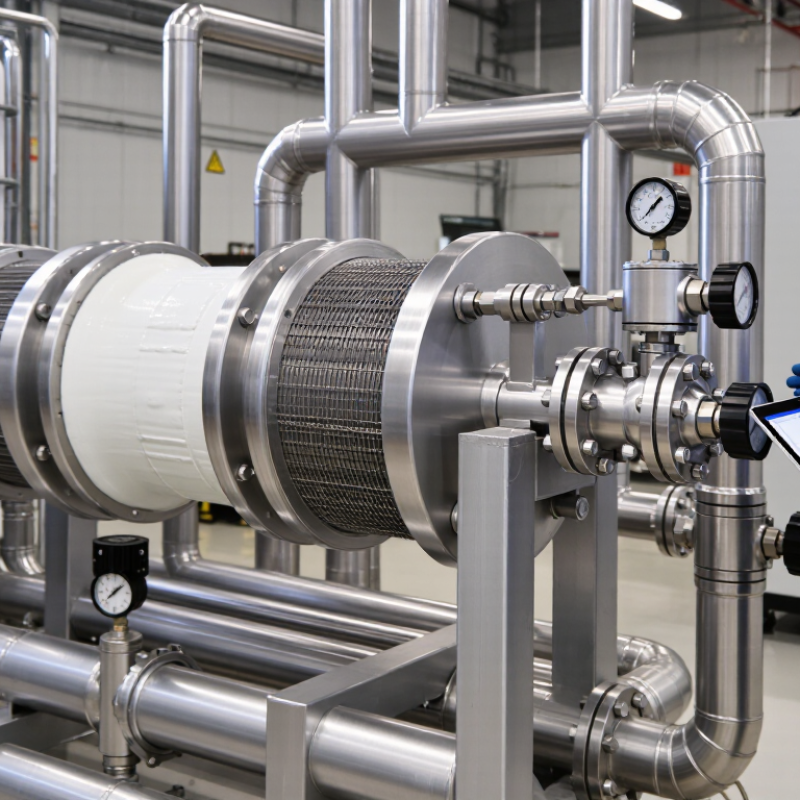
Choosing a spinning filter starts with understanding its type and core function. In polymer fiber production, screen-pack filters use layered mesh to catch gels, carbonized particles, and unmelted polymer. They are simple, compact, and suitable for stable contamination loads. Candle and disc filters provide deeper filtration. Their larger surface area can support finer particle removal and longer operating cycles.
Backflush filters add another option. They reverse flow periodically, reducing manual replacement and limiting production interruptions. This design matters when melt pressure must remain steady. According to MarketsandMarkets’ 2024 Industrial Filtration Market report, the global market is projected to grow from about USD 41.2 billion in 2024 to USD 56.9 billion by 2029. The figure reflects wider demand for reliable filtration, although it does not measure spinning filters alone. Data from the International Textile Manufacturers Federation also shows continuing investment in modern spinning equipment, making filtration performance harder to ignore.
Match the filter to polymer viscosity, melt temperature, contamination level, and target fiber fineness. A fine filter may improve quality, but it can raise pressure quickly. A coarse filter may reduce energy use, yet allow visible defects into the yarn. Watch pressure change, filter-life records, and fiber breaks during trials. Do not trust one test.
The lowest purchase price can look sensible. It often is not. A clean pressure curve also cannot prove perfect filtration, because hidden gels may appear later. Review actual production evidence before fixing the final filter rating.
Identifying Filtration Requirements for Your Application
How to Choose the Right Spinning Filter?
Identifying Filtration Requirements for Your Application
Start with the process, not the filter name. Define the liquid’s viscosity, temperature, flow rate, and particle size. A thin rinse solution may need a different screen than a warm, resin-rich fluid. Check whether particles must be removed continuously or only during batch transfer. Also record the target pressure drop and acceptable maintenance interval. These details shape the filter’s diameter, mesh, rotation speed, and housing design. In field evaluations, I have seen clean-looking samples hide rapid screen blinding. Laboratory testing remains essential.
Tips: Collect samples at different process stages. Measure particle loading before selecting mesh. Test the actual fluid temperature. Check seals and wetted materials for chemical compatibility. Ask operators how often cleaning is practical. A filter that performs well for one hour may fail during an eight-hour shift.
Review the supplier’s data carefully, but do not treat it as a guarantee. Capacity often changes with viscosity, solids concentration, and screen condition. Request test results using comparable operating conditions. Confirm how pressure, flow, and particle removal were measured. Consider inspection access, replacement parts, and safe cleaning procedures. Document the final selection criteria. Leave room for adjustment; real processes rarely behave perfectly. A smaller mesh may improve clarity but increase pressure loss. That trade-off deserves measurement, not assumption.
How to Choose the Right Spinning Filter?
Identify the smallest particle size that must be retained, then select a filter with a suitable nominal or membrane pore-size rating. Smaller ratings provide finer filtration but generally require greater pressure and more frequent cleaning or replacement.
Typical filtration targets shown: coarse solids removal at approximately 150 µm, clarification at 25 µm, fine particulate removal at 10 µm, bacteria reduction at 0.45 µm, and sterile filtration at 0.22 µm. Actual selection should be confirmed through particle-size analysis, flow-rate testing, and compatibility checks.
Comparing Filter Capacity, Precision, and Operating Efficiency
How to Choose the Right Spinning Filter?
Choosing a spinning filter starts with the material, not the catalog number. In practice, capacity means more than advertised holding volume. It includes usable area, contaminant load, viscosity, and acceptable pressure rise. A large chamber may clog quickly when particles form a dense cake. Record flow rate and inlet pressure during a realistic trial. A short test often reveals more than a polished specification sheet.
Precision depends on pore size, screen geometry, and process stability. Check the rated micron size against the actual particle distribution. It does not always mean complete removal. Ask for test conditions, sampling methods, and repeatability data. I would inspect filtrate samples at startup, mid-cycle, and near changeout. Small seal leaks can defeat a precise element. This is easy to overlook. Temperature also matters because cooler fluids may become thicker and slow separation.
Operating efficiency should balance throughput, energy use, cleaning time, and labor. Automatic rotation can reduce interruptions, but it may add maintenance points and control complexity. Compare pressure loss at the required flow, not an ideal laboratory rate. Estimate filter life across several batches. One clean run can mislead. My own selection errors often came from trusting average performance too quickly. Leave a safety margin, but avoid unsupported oversizing. A larger filter is not automatically cheaper when cleaning, footprint, and spare parts are included. Document every assumption before approval.
Selecting the Best Spinning Filter for Long-Term Performance
How to Choose the Right Spinning Filter?
Selecting the Best Spinning Filter for Long-Term Performance
Long-term performance starts with the process, not the filter catalog. Measure flow rate, fluid temperature, viscosity, and contaminant size before comparing models. A filter that handles occasional peaks may struggle during continuous operation. Check the pressure drop at normal and maximum flow. Small differences can become expensive over time.
Material compatibility deserves careful attention. Confirm that the housing, screen, seals, and support components suit the fluid and cleaning method. Stainless steel may resist corrosion, but the grade still matters. Select the filtration rating from actual particle data, not an estimated number. Laboratory results can help, yet production conditions often behave differently. That gap deserves testing.
Maintenance access also influences service life. Operators should be able to remove, inspect, and clean the filter without awkward tools or excessive downtime. Keep records of pressure changes, cleaning intervals, and damaged components. These details reveal wear earlier than appearance alone. A common mistake is choosing maximum filtration without checking flow capacity. Finer filtration is not automatically better. The best choice may require a trial period, and the first selection may need revision after real operating data appears. Consistent inspection remains essential.
 English
 Français
