What is Injection Molding Machine With Robot Benefits and Uses?

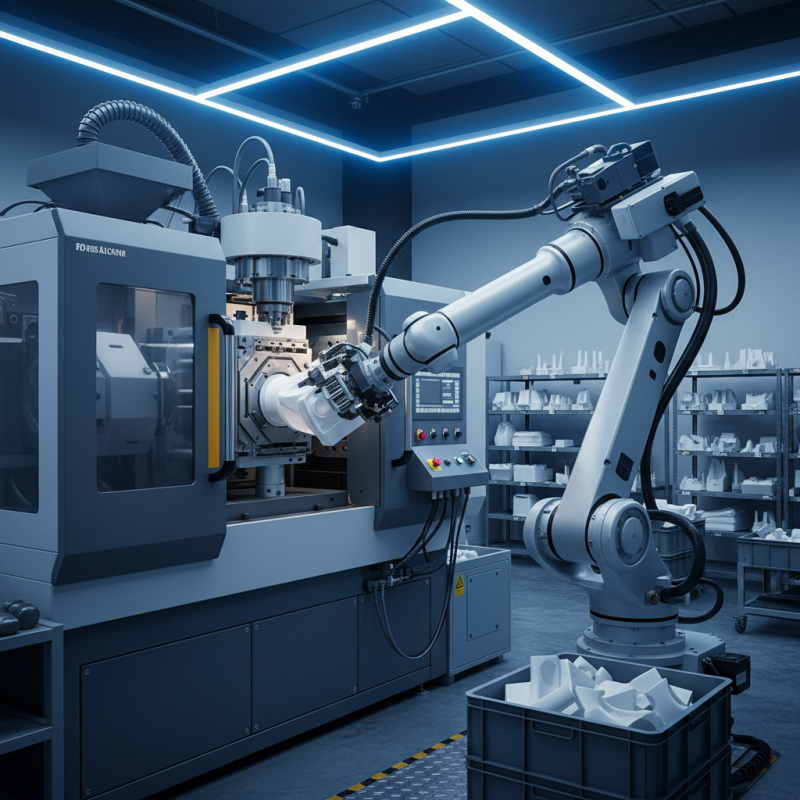
    The use of an Injection Molding Machine With Robot is transforming manufacturing. This technology brings efficiency and precision to production processes. Integrating robotics with injection molding machines reduces human error and speeds up operations.

    Manufacturers are attracted to the many benefits. Robots can handle complex tasks that require precision. They work around the clock, increasing output and minimizing downtime. This innovation not only saves time but also lowers labor costs.

    However, some challenges remain. Initial setup costs for an Injection Molding Machine With Robot can be high. Training is vital to ensure smooth operations. Companies must weigh these factors before making a commitment. Overall, the benefits often outweigh the drawbacks when implemented thoughtfully.
    What is Injection Molding Machine With Robot Benefits and Uses?

    What Is Injection Molding Machine?

    An injection molding machine is a key player in modern manufacturing. It turns raw materials into useful products. The process involves melting plastic pellets and injecting them into a mold. After cooling, the mold opens to reveal the finished item. This method is efficient and precise, allowing for mass production.

    Tips: Always keep your molds clean. Any leftover material can lead to imperfections in your product. Regular maintenance is crucial to avoid breakdowns.

    Robots have streamlined this process even further. They take on repetitive tasks, improving speed and efficiency. With robots, manufacturers can achieve higher precision and reduce labor costs. However, integrating robots requires careful planning. Training your team is essential for a successful transition.

    Tips: Consider a gradual implementation of robotics to address any operational hiccups. Test the system before full-scale production. This will help identify issues early on.

    What is Injection Molding Machine With Robot Benefits and Uses? - What Is Injection Molding Machine?

    Feature Description Benefits Applications
    Automation Integration of robots for automated operations in injection molding processes. Increased efficiency, reduced labor costs, and improved safety. Automotive parts, consumer goods, and complex assembly operations.
    Precision High level of accuracy in molding processes, ensuring tight tolerances. Enhanced product quality and consistency. Medical devices, electronic components, and intricate designs.
    Speed Rapid cycle times enabled by optimized machine and robot coordination. Higher production rates and faster time to market. Consumer electronics, packaging, and high-volume production.
    Flexibility Ability to quickly change production setups for different designs. Adaptability to varying product specifications without extensive downtime. Custom projects, seasonal products, and small batch productions.

    Principles and Mechanisms of Injection Molding

    The principle of injection molding involves melting plastic pellets and injecting the molten material into a mold cavity. This process requires precise control of temperature and pressure. A heating element melts the plastic, making it flow easily. The mold then cools, solidifying the plastic into the desired shape.

    Robots play a significant role in injection molding. They can automate complex tasks like unloading parts and assembling components. This reduces human error and increases production efficiency. However, there are challenges too. Not every mold can be easily accessed by robots. Training staff to operate and maintain these systems is also crucial.

    Moreover, the combination of injection molding and robotics might lead to unexpected issues. For instance, synchronization between the machine and robot movements needs careful calibration. Small mistakes can result in defects in the final product. Continuous monitoring and adjustments are vital. The benefits are clear, yet the implementation can be complex. Finding the right balance in technology is a constant journey.

    Integration of Robots in Injection Molding Processes

    The integration of robots in injection molding processes is transforming the manufacturing landscape. Automation increases efficiency and reduces human error. By incorporating robotic arms, companies can streamline production lines and minimize downtime.

    According to a report by MarketsandMarkets, the injection molding machine market is projected to reach $13.2 billion by 2025. This growth is largely driven by automation, where robots handle tasks such as loading and unloading. They can also perform quality checks, ensuring precision that manual methods may miss. In fact, robotic systems can improve cycle times by up to 30%.

    However, not every company has adopted this technology smoothly. Some manufacturers face challenges with the initial investment and integration into existing systems. It requires careful planning and staff training. As reported by Technavio, about 40% of manufacturers struggle with transitioning to robotic systems. Balancing cost and efficiency poses a significant dilemma.

    Benefits of Using Robots in Injection Molding Operations

    Injection molding is a popular method in manufacturing industries, particularly for plastic products. Incorporating robots into this process enhances efficiency and precision. A recent industry report reveals that automating injection molding operations can increase productivity by up to 30%. Robots can handle repetitive tasks, allowing human workers to focus on more complex issues.

    Robots offer significant benefits in quality control. They can operate continuously and maintain consistent quality. This consistency reduces defects, leading to lower waste. In fact, studies show that up to 20% of production defects can be eliminated with robotic integration. However, integrating robots is not without challenges. Companies must address the learning curve and initial investment costs.

    **Tips:** When automating, start with simple tasks to gradually ease workers into using robots. Regular maintenance is crucial for keeping the system efficient. Lastly, ensure proper training for employees, as this helps in maximizing robot integration benefits. Utilizing robots effectively can lead to significant gains, but awareness of potential pitfalls is essential for success.

    Key Industries Utilizing Injection Molding Machines with Robots

    Injection molding machines with robotic arms have transformed various industries. These systems increase efficiency and precision. In the automotive sector, for instance, the demand for high-quality components is critical. According to industry reports, 90% of automotive parts are produced using injection molding. Robots streamline the process, reducing cycle time and waste.

    Consumer electronics also heavily rely on injection molding. High-volume production requires speed and accuracy. Reports indicate that around 75% of plastic components in gadgets come from injection molding. The integration of robotics allows for intricate designs and faster assembly. Yet, the initial investment for such technologies can be daunting for small manufacturers.

    In the medical field, precision is non-negotiable. Injection molded components are essential for devices and packaging. A 2022 analysis highlighted that 70% of medical devices utilize injection molding methods. Robotic systems aid in maintaining sterility and accuracy. However, there are challenges too. Keeping up with rapid technological changes can be overwhelming for many organizations.