What Are Outrunner Motors and Their Advantages for Buyers?
Outrunner motors are gaining attention in the industry for their efficiency and performance. Expert James Foster, an electrical engineer, remarked, “Outrunner motors revolutionize how we think about power and design.” These motors, known for their unique construction, provide high torque and low weight, making them ideal for various applications.
In comparison to traditional motors, outrunner types often yield better performance. They operate smoothly and quietly, which enhances user experience in electric vehicles and drones. Many buyers appreciate their compactness, allowing for efficient use of space. However, one must consider factors like cost and specific application needs when exploring options.
While the advantages of outrunner motors are clear, they are not without drawbacks. They can be more sensitive to environmental conditions. This fact might lead some users to question their reliability in certain settings. Despite these concerns, the growing popularity of outrunner motors shows a strong industry shift towards innovation and sustainability.
What Is an Outrunner Motor?
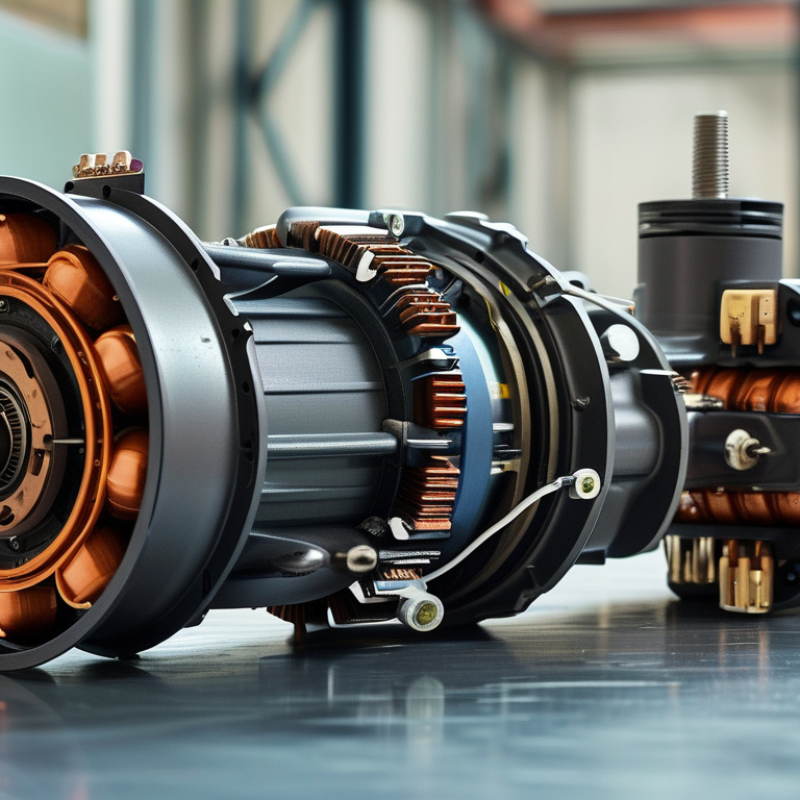
Outrunner motors are increasingly popular in the world of robotics and DIY projects. They differ from traditional motors as they have a rotor that spins externally. This design enhances cooling and efficiency. The rotor's larger diameter allows for higher torque at lower speeds. Hobbyists appreciate these motors for their ability to provide substantial power without excessive weight.
These motors offer various advantages. They often have better torque-to-weight ratios compared to their inrunner counterparts. This means that projects can achieve faster speeds without adding too much bulk. Additionally, outrunner motors tend to be quieter, making them ideal for applications where noise is a concern. Some users note that the initial setup can be complicated. It is essential to consider the proper controller and battery to maximize performance.
Despite their benefits, outrunner motors have limitations. They may not reach the same high RPMs as inrunners. This can be a drawback for specific applications requiring rapid movement. Overheating is another concern, especially during prolonged use. Understanding these nuances is crucial for effective application and problem-solving. The choice ultimately depends on the project’s needs and the user's experience level.
Outrunner Motors Efficiency Comparison
How Do Outrunner Motors Function?
Outrunner motors are fascinating devices that function on a unique principle. Unlike traditional motors, their rotor spins outside the stator. This design allows for larger rotors, which can generate higher torque at lower speeds. The rotation of the outer rotor creates a magnetic field that interacts with the stationary part, leading to efficient energy conversion.
One key aspect of outrunner motors is their efficiency. They usually have a higher power-to-weight ratio than inrunner motors. This means they can deliver more power without adding significant weight. Many enthusiasts enjoy using them in applications like drones and RC vehicles. However, the high RPMs can lead to wear and tear over time, making regular maintenance necessary.
While outrunner motors are powerful, they can also be harder to control. Their sensitivity to input can be a double-edged sword. It allows for precise adjustments but requires a skilled user to optimize performance. That said, their advantages in terms of power and efficiency often outweigh these challenges for many buyers. Understanding their function can help users make informed decisions for their specific needs.
What Are Outrunner Motors and Their Advantages for Buyers?
| Feature | Description | Advantages |
| Design | Outrunner motors feature a rotating outer casing and a stationary inner core. | Higher torque output compared to traditional motors. |
| Efficiency | Designed for higher efficiency at low RPMs. | Reduced energy consumption and heat generation. |
| Weight | Typically lightweight due to their construction. | Ideal for applications where reducing weight is crucial. |
| Cooling | Better natural cooling due to external casing design. | Improves longevity and performance under load. |
| Applications | Commonly used in drones, RC vehicles, and electric bikes. | Versatile in various consumer and industrial applications. |
Key Benefits of Outrunner Motors for Consumers
Outrunner motors have become increasingly popular among consumers due to their unique design and operational advantages. Unlike traditional motors, outrunner motors feature the rotor on the outside. This design leads to several benefits that catch the eye of buyers.
One major advantage is their high efficiency. These motors can deliver more power while consuming less energy. This efficiency can lead to cost savings over time. Additionally, outrunner motors tend to produce less heat during operation. This is beneficial for applications that require prolonged use without significant cooling solutions. Many users appreciate this aspect, as it enhances overall reliability.
Another important benefit is their lightweight construction. Outrunner motors often weigh less than their inrunner counterparts. This makes them ideal for hobbyist projects like drones or remote-controlled vehicles. Their compact size allows for greater flexibility in design and implementation. However, some users might find that overheating can occur under higher loads. This is an issue worth considering when planning a project. Thus, while outrunner motors offer tremendous advantages, they also require careful consideration of their limitations.
Comparison of Outrunner Motors and Other Motor Types
Outrunner motors stand out due to their unique design. Unlike inrunner motors, the rotor spins around the stator. This results in higher efficiency and better torque. The construction allows for larger surface areas, which can dissipate heat more effectively. Consequently, outrunner motors tend to offer better performance in applications requiring high power and speed.
Comparing outrunner motors to other motor types can reveal significant differences. For instance, inrunner motors are often more compact but less efficient in heat management. They can struggle with thermal issues in high-load situations. Meanwhile, brushed motors may require more maintenance and have a shorter lifespan. Outrunner motors, in contrast, typically offer durability and lower maintenance needs.
Despite their advantages, outrunner motors aren't perfect for every application. Their larger size might be a limiting factor in tight spaces. Additionally, they may not be suitable for all electronic speed controllers. Buyers must consider these factors before making purchases. Uncovering these details can guide better decisions in motor selection. Balancing performance, efficiency, and size is vital for optimal results.
Applications of Outrunner Motors in Modern Technology
Outrunner motors have gained significant traction in various modern technologies. Their unique design features a rotor that spins outside the stator, offering higher efficiency and a better power-to-weight ratio. A report by the International Energy Agency highlights that electric motors contribute to nearly 45% of global energy consumption in industry. Thus, utilizing efficient motors can lead to significant energy savings and reduced operational costs.
In applications like drones, robotics, and electric vehicles, outrunner motors display remarkable advantages. They provide high torque at low speeds, making them ideal for applications requiring precision. According to a study from the National Institute of Standards and Technology, outrunner motors can achieve efficiencies over 90%. This efficiency translates to longer operational times and better overall performance.
Tip: When selecting an outrunner motor, consider its torque specifications and RPM ratings to match your application needs precisely. Assess the space available for installation, as these motors can vary significantly in size. Evaluating your project requirements upfront will ensure an optimal choice. However, be mindful that higher efficiency often comes at a more significant initial investment, necessitating a thorough cost-benefit analysis.
 English
  Français