What is Packaging Machinery and How Does It Work?
Packaging Machinery is a vital sector in modern manufacturing. According to John Smith, a leading expert in the field, "Efficient packaging machinery can transform the way products reach consumers." This highlights the importance of understanding how packaging machinery operates and its impact on industries.
In recent years, advancements in technology have revolutionized packaging processes. From automated filling to sealing, these machines enhance efficiency and reduce waste. However, not every solution fits all needs. Companies often struggle to select the right machinery, leading to costly mistakes. It is crucial to evaluate specific requirements and potential drawbacks.
The dynamics of Packaging Machinery involve intricate details. Decisions about material types, machinery speed, and design can significantly affect output. While automation offers immense benefits, it can also create challenges in maintenance and workforce training. Understanding these complexities is key for businesses aiming to optimize their packaging operations.
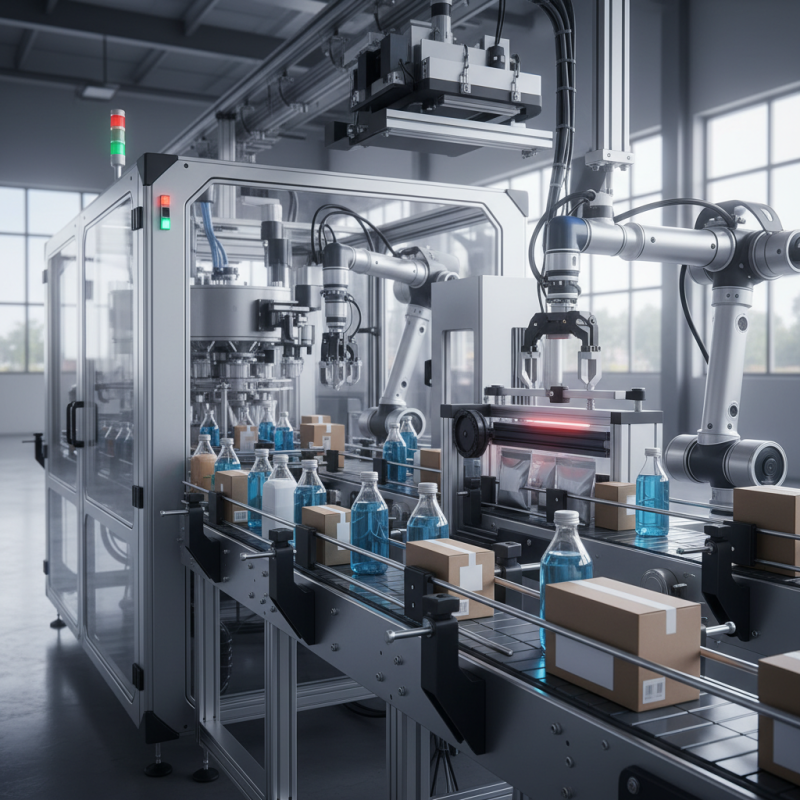
Definition and Overview of Packaging Machinery
Packaging machinery plays a vital role in modern manufacturing and distribution. It encompasses various machines that package products for both protection and presentation. These machines are essential in industries such as food and beverage, pharmaceuticals, and consumer goods. According to a recent report by MarketsandMarkets, the packaging machinery market is expected to reach $50 billion by 2025, reflecting its significant growth and importance.
Understanding how packaging machinery functions is crucial. Machines automate the packaging process, which increases efficiency and reduces labor costs. They can fill, seal, label, and wrap products, ensuring that items are well-protected during transportation. Advancements in technology have led to the development of smart packaging machines. These machines can adapt to different product types and sizes, making them versatile.
Tip: Regular maintenance of packaging machinery is crucial. Neglecting this can lead to breakdowns and increased downtime. Consider adopting a routine inspection schedule.
The impact of packaging machinery extends beyond efficiency. It also affects sustainability. Modern machines enable the use of eco-friendly materials and reduce waste. However, not all technologies are perfect. Some may fail to meet the desired production speed or cause excessive energy consumption. It's important to evaluate machinery for both efficiency and environmental responsibility.
Tip: Research the efficiency ratings of different machines before purchasing. Choosing the right equipment can enhance production and reduce costs.
Usage of Different Types of Packaging Machinery
Different Types of Packaging Machinery and Their Functions
Packaging machinery plays a critical role in various industries, ensuring products are efficiently packaged for consumers. There are several types of packaging machinery, each designed for specific tasks. For example, filling machinery efficiently dispenses contents into containers, ensuring precision and reducing waste. According to a recent report by Smithers, the global packaging machinery market is projected to reach $46 billion by 2026.
Sealing machines are crucial in maintaining product integrity. They create airtight seals that enhance shelf life and prevent contamination. Additionally, labeling machines ensure products are correctly marked, meeting regulatory compliance. Market research indicates that automatic labeling machinery can increase production speed by up to 50%, which is significant for high-volume businesses.
Form-fill-seal machines are gaining popularity as they combine multiple packaging processes. These machines can form a pouch, fill it, and seal it in one efficient process. However, transitioning to automated systems can pose challenges. Many businesses face initial costs and require training for personnel. Addressing these issues is vital for optimizing production lines and achieving long-term profitability. As the industry continues to evolve, adaptability will remain essential for success.
What is Packaging Machinery and How Does It Work?
| Type of Packaging Machinery | Function | Common Applications |
| Filling Machines | Fill containers with products like liquids, powders or granules | Beverages, cosmetics, pharmaceutical |
| Labeling Machines | Attach labels to containers | Food products, electronics, personal care items |
| Sealing Machines | Seal containers to prevent leakage or contamination | Food and beverages, pharmaceuticals |
| Cartoning Machines | Package products into cartons | Snacks, cosmetics, health products |
| Shrink Wrapping Machines | Wrap products tightly with shrink film | Beverages, electronics, bulk items |
| Palletizing Machines | Stack products onto pallets for shipping | Manufactured goods, food products |
The Working Principles of Packaging Machinery
Packaging machinery plays a vital role in various industries. It automates the process of wrapping, sealing, and labeling products in a fast and efficient manner. Understanding the working principles of packaging machinery helps businesses optimize their operations.
These machines operate through a series of well-coordinated steps:
- Product Feeding: Products are fed into the machine, either manually or automatically.
- Material Unwinding: The packaging material is unwound, ensuring compatibility with the products.
- Package Formation: The machinery forms the package, fills it with the product, and seals it securely.
Tips: Regular maintenance is crucial. Checking components can prevent breakdowns. Consider training staff for better handling of the technology.
However, there can be challenges. Packaging machines may experience jams or misalignments. These issues can lead to costly downtime. It's essential to monitor the workflow continuously.
Adapting the machinery to specific product types can improve packaging quality.
Tips: Utilize sensors to detect potential problems early. Remember to seek expert advice for complex issues.
Key Components and Technologies in Packaging Machinery
Packaging machinery plays a crucial role in modern manufacturing. Its efficiency can enhance product shelf life and reduce waste. Key components include conveyors, fillers, sealers, and labelers. Each part has a specific function, contributing to a streamlined process.
Conveyors transport products through different stages. They can handle various shapes and sizes. This adaptability is essential. Fillers ensure the accurate amount of product is placed in each package. Proper calibration is vital to avoid overfilling or underfilling. Sealers then protect the contents from external factors, maintaining quality.
Technologies like automation and robotics have transformed packaging. Automated systems increase speed while reducing human error. Nonetheless, reliance on technology may raise concerns about job displacement. It's crucial to balance innovation with workforce needs. Each packaging line requires regular maintenance to keep machinery in optimal condition. Over time, wear and tear can disrupt operations. Understanding these components helps manufacturers make informed decisions, ensuring the packaging process remains reliable and efficient.
Applications of Packaging Machinery Across Various Industries
Packaging machinery plays a crucial role in various industries. These machines streamline the packaging process, ensuring efficiency and consistency. In food and beverage, for example, they help maintain hygiene and extend shelf life. Packaging machines fill, seal, and label products, making them ready for the market.
In the pharmaceutical sector, packaging is vital for safety and compliance. Machines ensure that drugs are packaged accurately, protecting them from contamination. This enhances product integrity. Packaging machines also allow for various formats, from blister packs to bottles. The adaptability supports diverse product requirements.
Tips: When choosing packaging machinery, consider the production speed. It's important to balance efficiency with quality. Also, regular maintenance is key to avoid costly downtime. Training staff on new machines can prevent errors and increase productivity. Ensuring everyone understands the machinery is essential for optimal operation.
 English
  Français