What Is a Plasma Table and How Does It Work?
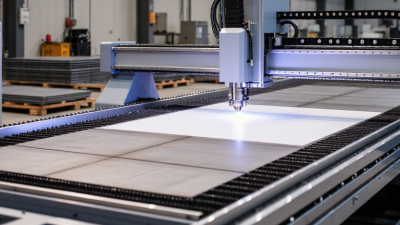
A Plasma Table is a computer-controlled cutting system that uses an electrical arc and compressed gas to cut electrically conductive metals. The gas becomes plasma, a very hot, focused stream that melts material while pushing molten metal away from the cut. The result can be a clean profile in steel, stainless steel, or aluminum, depending on the machine, torch, and material thickness. It is not magic.
Most systems combine a cutting torch, a moving gantry, a metal slat bed, and a CNC controller. The operator prepares a design in CAD software, converts it into tool paths, then loads the file into the controller. During cutting, motors guide the torch along those paths while the arc maintains a close working distance. A sheet may lie flat as sparks scatter beneath it. Proper ventilation, eye protection, and safe setup matter because the process creates intense light, heat, fumes, and noise.
How well a Plasma Table performs depends on more than its advertised cutting speed. Power supply capacity, consumable condition, air quality, grounding, and correct torch height all affect edge quality. Thin sheet may cut quickly, while thicker plate can require slower settings and careful testing. Small details matter. Even a good machine can leave dross or a rough edge when settings are wrong. This guide explains the table’s main parts, how cutting works, and what buyers or new operators should check before choosing a system.
Defining a Plasma Table and Its Purpose
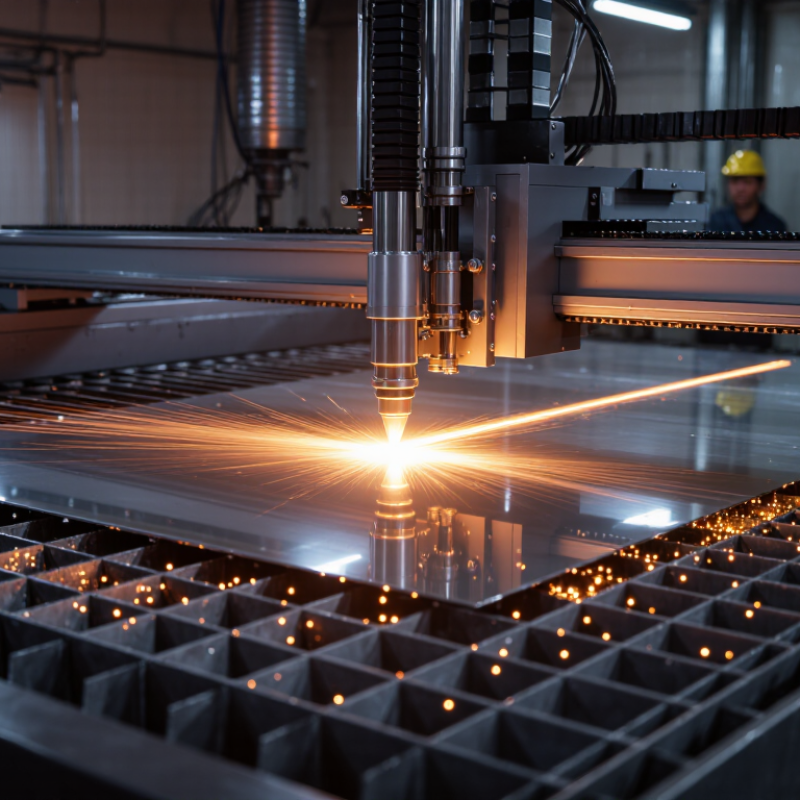
A plasma table is a powered cutting system that holds metal sheet or plate beneath a guided torch. An electrical arc turns compressed gas into plasma, which melts a narrow path through conductive metal. The table’s slats support the workpiece while leaving space for the torch to cut through. In mechanized systems, a computer-controlled gantry moves the torch along programmed lines, circles, or curves. That is the purpose: repeatable part cutting with less manual marking and sawing. The cut edge still needs attention.
The setup often includes a power source, torch, motion controls, and fume management. Operators choose settings to match material type and thickness; incorrect speed can leave rough edges or excess dross. A Grand View Research market report estimated the global plasma cutting machine market at about US$1.1 billion in 2023 and projected growth through 2030. That figure describes market demand, not cutting accuracy or shop productivity. In practice, table condition, consumable wear, and careful setup matter. Small details count. Even a slightly warped plate can shift the torch-to-work distance, so a clean drawing alone does not guarantee a clean cut.
Identifying the Table’s Main Components
A plasma table is built around a rigid frame that supports the workpiece and cutting motion. The cutting bed usually has metal slats, which hold sheet material while leaving space for sparks and molten metal to fall. Some tables use a water pan beneath the slats to catch debris and reduce smoke. Others rely on a separate extraction system. Neither setup is perfect; water needs maintenance, while dry beds can leave more fumes in the work area.
The gantry moves the torch across the bed on rails. Motors and drive components control its position, while a height-control system helps keep the torch at a suitable distance from the metal. That distance matters. If the sheet is warped or the torch sits too high, the cut may become uneven. The plasma torch itself creates the cutting arc, and a power source supplies the electrical current. Compressed air or another compatible gas passes through the torch to help form the arc and clear molten metal from the cut.
A controller translates a cutting file into motion commands. The operator still needs to check material thickness, torch consumables, and air quality before starting. Small details count. A ground connection must make firm contact with the workpiece, or cutting can become unreliable. In practice, tables differ in layout, so identifying each part before operation is more useful than assuming every machine works the same way.
Explaining How the Plasma Arc Cuts Metal
A plasma table cuts metal by creating a narrow, electrically conductive jet of gas. An electric arc ionizes the gas, turning it into plasma; a small nozzle constricts the arc and directs it at the workpiece. The metal becomes part of the electrical circuit. Heat melts a tiny area, while the fast gas stream pushes molten metal through the cut.
TWI’s technical guidance describes plasma-arc temperatures reaching roughly 20,000°C. The exact temperature and cut quality depend on the setup and material.
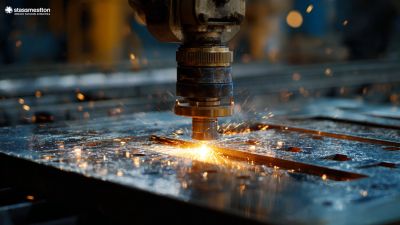
On a CNC plasma table, programmed motors move the torch across a flat sheet. Watch the bright arc pass beneath the nozzle: the cut leaves a narrow groove, called a kerf, and may leave rough dross along the underside.
The American Welding Society’s Welding Handbook explains the process as a balance of electrical energy, gas flow, and torch movement. If any one is poorly matched, edges can bevel or the arc can wander. It is a small detail, but worth checking.
Operators also need suitable eye protection and fume extraction, since cutting can produce intense light, hot particles, and airborne metal fumes.
Tracing How Motion Controls Create a Cut
A plasma table is a CNC cutting bed: a torch moves over a grounded metal sheet while compressed gas becomes an electrically conductive plasma arc. TWI’s technical guidance reports arc temperatures reaching about 30,000°C. The heat melts a narrow path, and the gas stream ejects the molten metal through the kerf. Hot, bright, and precise.
The motion starts with a digital drawing converted into toolpaths. The controller reads coordinates, then drives motors along the table’s axes. As the torch approaches a corner, it must slow down; otherwise, momentum can widen the cut or round the edge. Height control also matters. A sensor tracks the sheet surface and adjusts torch distance, helping keep the arc stable over warped plate. It is not magic. A dirty nozzle or uneven sheet can still spoil a clean path.
Cut quality depends on more than the programmed route. ISO 9013:2017 classifies thermal-cut quality using five ranges, from 1 to 5, for relevant geometric characteristics. That gives operators a common way to assess results, though the best range depends on the part’s use. On a shop floor, a test cut reveals what a screen cannot: a rough edge, a slight bevel, or a corner that needs slower motion. Sources: TWI, “Plasma Cutting”; ISO 9013:2017, Thermal cutting—Classification of thermal cuts.
How Motion Controls Create a Plasma Cut
A CNC controller follows programmed coordinates to move the torch along a cut path. This illustrative straight-line move covers 100 mm in 2 seconds at a constant commanded speed of 50 mm/s. The plasma arc melts the material as the torch travels; actual cutting settings depend on the material and equipment.
Reviewing Suitable Materials and Common Uses
A plasma table uses an electrically charged gas arc to cut conductive metal. A torch moves over a flat work surface, often guided by computer-controlled coordinates. The arc melts a narrow path, while high-speed gas pushes molten metal away. The result can be a clean outline, though edge quality depends on setup, material thickness, and cutting speed.
Common choices include mild steel, stainless steel, aluminum, and, with suitable settings, copper or brass. Always check the machine’s rated capacity; thick plate may cut slowly or leave rough edges. Plasma tables are useful for making brackets, equipment panels, signs, repair patches, and custom components. They cannot cut wood, glass, or other nonconductive materials. Small parts can also tip or shift, so secure them before cutting.
Tips: Match the consumables and settings to the metal, and test on a scrap piece first. Watch for dross, warped edges, and fumes; these can reveal poor settings or inadequate ventilation. Wear appropriate eye and hand protection, and follow the equipment’s operating instructions. A detail that is easy to miss: the table’s slats collect debris and need regular inspection. My own preference would be to check them before a long job, even when they look usable.
What Is a Plasma Table and How Does It Work? — Suitable Materials and Common Uses
| Category | Item or Material | How It Works or Material Suitability | Common Uses | Important Considerations |
|---|---|---|---|---|
| What a Plasma Table Does | ||||
| Equipment | Plasma cutting table | A mechanized system moves a plasma torch over a workpiece. The torch creates an electrical arc that ionizes gas into plasma; the hot, fast-moving jet melts metal and pushes molten material out of the cut. | Repeatable cutting of metal parts, profiles, brackets, panels, and custom shapes. | A plasma table cuts electrically conductive materials. Cut quality and maximum thickness depend on the power source, torch, gas, motion system, and material. |
| Cutting process | Transferred arc | After an arc is established, it transfers to the conductive workpiece and forms the cutting arc. The table controls the torch path while the plasma jet cuts through the metal. | Computer-controlled straight cuts, curves, holes, and nested part layouts. | Correct torch height, travel speed, consumables, and workpiece grounding help produce a stable cut. |
| Table design | Water table or downdraft table | A water table uses water beneath the work area; a downdraft table draws fumes and particles through an extraction system. | Managing heat, sparks, smoke, and cutting debris during fabrication. | Either setup needs appropriate maintenance and ventilation. Follow the equipment instructions and applicable workplace safety requirements. |
| Suitable Materials and Typical Uses | ||||
| Highly suitable | Mild (carbon) steel | Conductive and commonly cut with plasma. Available systems can cut a wide range of thicknesses, but capacity varies substantially by equipment and cut-quality requirements. | Frames, brackets, machinery parts, signs, repair work, and structural components. | Thicker plate generally requires a suitable high-capacity system and may have a wider kerf or rougher edge than thinner material. |
| Highly suitable | Stainless steel | Conductive and plasma-cuttable. The process melts and ejects the metal along the programmed cut path. | Equipment panels, food-service components, enclosures, and fabricated parts. | Cut edges may show heat effects or dross. For critical finish or corrosion-sensitive applications, plan for cleanup and finishing. |
| Highly suitable | Aluminum | Conductive and plasma-cuttable. Its heat conduction and cutting behavior differ from those of steel, so settings must suit the material and thickness. | Vehicle components, panels, brackets, and general fabrication. | Use suitable cutting parameters and effective fume control; aluminum cutting can produce fine particulate and requires appropriate safety measures. |
| Suitable | Copper and copper alloys, including brass | Electrically conductive and generally plasma-cuttable, though heat conduction and alloy composition affect the cut. | Electrical and decorative components, fittings, and custom metalwork. | Confirm the machine and process are appropriate for the alloy and thickness. Provide effective ventilation and follow material-specific safety guidance. |
| Conditionally suitable | Galvanized steel | The steel substrate can be plasma-cut, but the zinc coating is affected by the heat and can generate hazardous fumes. | Fabrication or repair of galvanized parts where cutting is permitted and properly controlled. | Use effective local exhaust ventilation and follow occupational safety guidance for zinc-containing fumes. Do not cut in an inadequately ventilated area. |
| Not suitable | Wood, plastic, glass, and other nonconductive materials | These materials do not provide the electrical path required for conventional plasma cutting. | Use a process designed for the specific material, such as sawing, routing, or another appropriate cutting method. | Do not attempt to plasma-cut nonconductive materials with a standard plasma table. |
Related Posts
-
2026 Top CNC Plasma Tables for Sale Worldwide
-
Unlocking Precision and Efficiency with Best Cnc Cutting Table Technical Specifications and Setup Guide
-
Unleashing Creativity with the Best Small Plasma Table for Innovative Projects
-
China Top 10 Plasma Table Suppliers?
-
Exploring the Features and Applications of the Best Industrial Plasma Table for Global Buyers
-
China Best CNC Metal Cutting Suppliers for Global Buyers
English
Français