Top 10 RTLS Tags for Global Buyers What to Know?
Choosing the right Rtls Tags is rarely a simple product comparison. Global buyers face different warehouse layouts, labor conditions, network standards, and service expectations. A tag that performs accurately in a European distribution center may struggle in a humid Asian facility or a metal-heavy North American plant.
Dr. Bill Hardgrave, a recognized RFID and supply-chain technology expert, offers a useful warning: “RFID is not a silver bullet.” His point applies to RTLS selection. Technology alone cannot solve poor site planning, weak calibration, or unclear tracking goals.
This guide examines the Top 10 RTLS Tags for Global Buyers What to Know? Each option is considered through practical criteria, including location accuracy, battery life, communication protocol, durability, installation effort, and total ownership cost. Some tags support ultra-wideband positioning for precise equipment tracking. Others use Bluetooth Low Energy for simpler deployments and lower replacement costs. RFID-based options may suit doorway identification, but they can provide less continuous location visibility.
Details matter. A warehouse tag may face forklift impacts, dust, vibration, and temperature changes every day. A healthcare tag may need a lighter design, silent operation, and reliable disinfection compatibility. Buyers should also check software integration, regional supply, warranty coverage, and technical support before ordering at scale.
No ranking is perfect.
Real-world performance depends on anchors, building materials, firmware, and human workflows. That is an uncomfortable limitation, but ignoring it creates expensive surprises. The strongest Rtls Tags choice is not always the most accurate or the cheapest. It is the option that fits the environment, scales responsibly, and remains dependable after deployment.
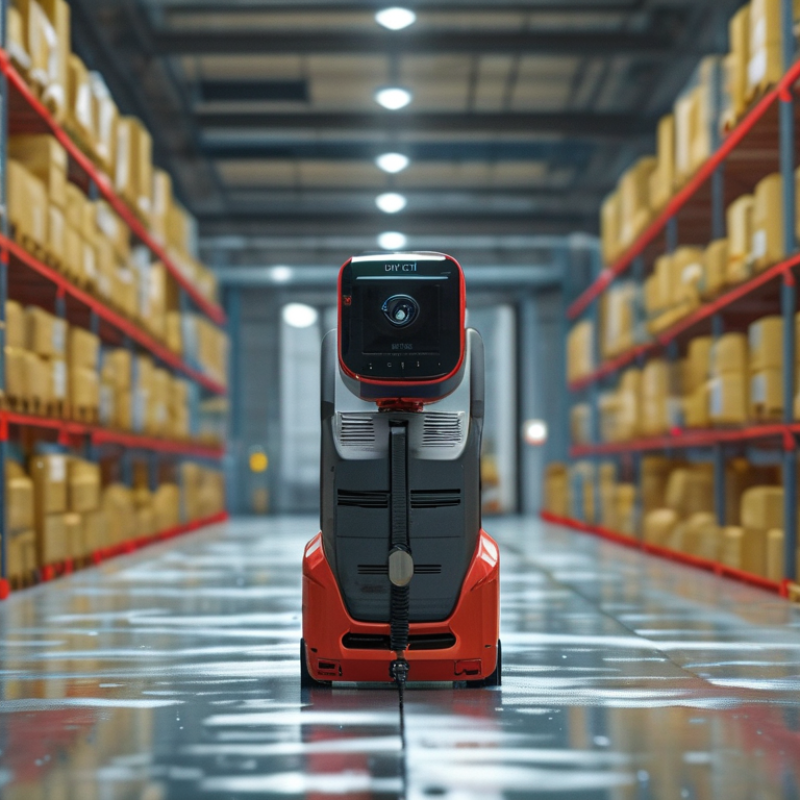
What RTLS Tags Are and How They Enable Real-Time Location Tracking
Top 10 RTLS Tags for Global Buyers: What to Know?
What RTLS Tags Are and How They Enable Real-Time Location Tracking
An RTLS tag is a small electronic device attached to an asset, worker badge, or vehicle. It sends identification and location signals to fixed receivers or gateways. Software then converts these signals into a live location on a digital map. In a warehouse, a tag might show a pallet near Dock 3. In a hospital, it can help locate mobile equipment within a defined zone.
Different tags use different technologies, including Bluetooth Low Energy, ultra-wideband, Wi-Fi, RFID, or satellite positioning. Ultra-wideband can provide precise indoor positioning, while Bluetooth often offers lower hardware and battery costs. Some tags transmit continuously. Others communicate only when movement occurs, which can extend battery life. That distinction matters.
Reliable tracking depends on more than the tag itself. Receiver placement, metal shelving, concrete walls, signal interference, and software calibration all affect accuracy. A practical evaluation should test crowded aisles, cold rooms, elevators, and weak-signal areas. Battery replacement also needs a clear schedule. It is easy to overlook this detail. Data protection requires careful access controls and transparent policies, especially when tags are linked to people. No system is perfect; location estimates can drift, and real sites rarely match installation plans.
Top 10 RTLS Tag Technologies for Global Buyers
Real-Time Location System (RTLS) tags transmit or reflect signals that allow assets, people, or equipment to be located. The chart compares representative positioning accuracy by technology; actual results depend on building layout, antenna density, calibration, interference, and deployment design.
Lower values indicate finer location precision. UWB, ultrasound, infrared, and BLE Angle of Arrival can support room-level or sub-meter tracking, while GNSS and cellular positioning are generally better suited to outdoor or wide-area visibility.
Key Technologies Used in Modern RTLS Tags
Modern RTLS tags combine several technologies to locate people, tools, and mobile assets. Bluetooth Low Energy supports affordable indoor tracking. Ultra-wideband provides more precise positioning, often within a few centimeters. Radio-frequency identification works well at controlled checkpoints. It is simple, but not continuous.
Sensors add useful context. Accelerometers can detect movement, impact, or unusual inactivity. Temperature sensors help monitor sensitive equipment during storage and transport. GNSS supports outdoor visibility, while cellular connections extend coverage beyond local facilities. Each option has trade-offs. Walls, metal racks, battery limits, and signal noise can reduce accuracy.
A practical tag needs more than a strong signal. Its enclosure should resist dust, moisture, and repeated handling. Low-power firmware can extend battery life, but aggressive power saving may delay location updates. Edge processing can filter unnecessary data before transmission. Cloud systems then provide dashboards, alerts, and audit records. Data encryption and controlled access remain essential for reliable deployment.
Real-world testing matters. A tag that performs well in an empty room may struggle beside packed steel shelving. Pilot teams should measure accuracy, latency, battery use, and installation effort. No tag is perfect. Early assumptions often fail. The best choice matches the environment, workflow, and risk level rather than chasing the newest specification.
How to Compare RTLS Tags for Different Global Applications
Comparing the top 10 RTLS tags requires more than checking location accuracy. Start with the application. A hospital may need small tags, easy cleaning, and reliable room-level tracking. A warehouse may prioritize long battery life, wide coverage, and impact resistance. Outdoor operations need protection from rain, dust, and temperature changes. Small details matter.
Review the positioning technology, update rate, and infrastructure requirements. Some tags support highly precise tracking, while others provide broader location zones at lower cost. Check whether the tag communicates with existing gateways, software, and mobile devices. Battery claims also need careful testing. Frequent location updates can reduce the expected battery life sharply. Test before scaling.
Global buyers should compare certifications, operating frequencies, replacement access, and supplier support in each target market. Ask for test data from similar environments, not only laboratory results. In one field trial, metal shelving weakened performance more than expected. We had focused too heavily on the tag itself. That was a useful mistake. Evaluate mounting methods, signal interference, worker comfort, and data security together. A tag that performs well in one country may need different configuration elsewhere. Consider total ownership cost, including installation, batteries, maintenance, training, and future software integration. The cheapest unit is not always the practical choice. Reliable evidence beats attractive specifications.
Top RTLS Tag Categories by Accuracy, Range, and Deployment Needs
Top 10 RTLS Tags for Global Buyers: What to Know
RTLS tags differ mainly in accuracy, range, battery life, and installation effort. Passive RFID tags suit door-level identification and short reading zones. They are inexpensive, but they cannot provide continuous location. Active RFID tags offer wider indoor coverage, often across warehouse aisles and loading areas. Their accuracy depends heavily on reader placement and signal obstacles.
Bluetooth Low Energy tags support room-level tracking with modest power use. They work well for equipment, carts, and staff badges. Ultra-wideband tags provide highly precise positioning, sometimes within a few centimeters. They fit high-value assets, robotic workflows, and safety-sensitive zones. However, they require more anchors, careful calibration, and a larger deployment budget. GNSS tags cover outdoor yards, vehicles, and remote assets. Buildings, metal structures, and dense urban areas can reduce accuracy. Wi-Fi tags may use existing infrastructure, but network traffic and battery demands need attention.
Tips: Test tags in the real environment, not only in a laboratory. Walk through metal racks, cold rooms, elevators, and busy corridors. Check update intervals, battery replacement time, mounting strength, and data security. Ask for measured accuracy at different distances. A specification sheet can still mislead. I would also reserve budget for maintenance and recalibration. The most accurate tag may be unnecessary for a simple zone-level task, while a low-cost tag may fail when movement data must be precise. Deployment needs should decide the category.
 English
  Français