How to Safely Use and Dispose of Lithium Batteries?
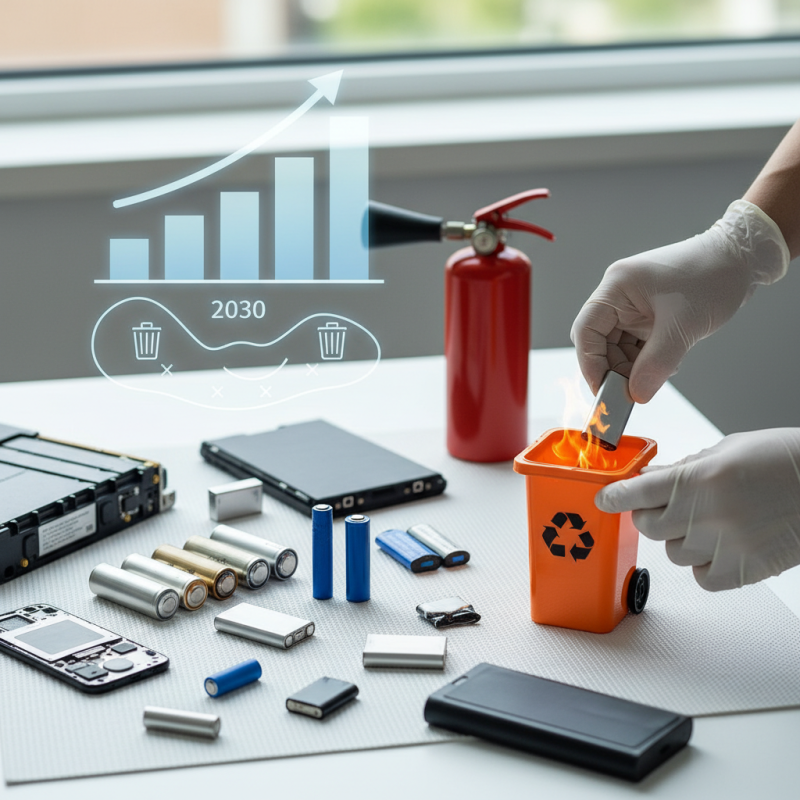
Lithium Batteries are essential in our daily lives. They power smartphones, laptops, and electric vehicles. According to a report by the International Energy Agency (IEA), global lithium battery demand will increase threefold by 2030. This surge presents new challenges regarding their safe usage and disposal.
Dr. Emily Chen, a leading expert in battery technology, emphasizes the importance of responsible practices. She stated, "Safe handling and disposal of lithium batteries are crucial to prevent hazards." The risk of fires and toxic leaks is real. Improper disposal can lead to severe environmental damage.
As the industry grows, awareness and education become vital. People must understand how to use lithium batteries safely. Too often, consumers toss them in regular trash. This negligence can have far-reaching consequences. Balancing convenience with safety is a challenge we must confront.
Understanding the Basics of Lithium Batteries: Types and Uses
Lithium batteries are widely used in many devices today. Common types include rechargeable lithium-ion batteries and non-rechargeable lithium primary batteries. You will find these batteries in smartphones, laptops, digital cameras, and power tools. Each type has unique features and benefits. For example, lithium-ion batteries are popular because they offer high energy density and a longer lifespan.
When using lithium batteries, safety is essential. Here are a few tips for safe handling:
- Store batteries in a cool, dry place.
- Avoid exposing them to extreme temperatures.
- Inspect batteries regularly for signs of damage, like swelling or leaks.
Disposing of lithium batteries improperly can harm the environment. Recycling is crucial. Some localities offer designated drop-off points. Before recycling, always check the guidelines in your area. Remember to keep batteries away from metal objects to prevent short circuits.
You may find that not all batteries perform equally well. Sometimes, even new batteries might not hold a charge well. It's important to recognize this and not push batteries beyond their limits. This promotes better usage and extends battery life.
Safety Precautions When Handling Lithium Batteries
When handling lithium batteries, safety is crucial. Always inspect batteries for damage before use. Avoid using batteries that show signs of swelling, leaks, or corrosion. Place batteries in a cool, dry area away from flammable materials. This simple step can prevent potential fires.
Use the right charger for lithium batteries. Mismatched chargers can lead to overheating and explosions. Never charge batteries unattended, especially overnight. If a battery gets hot, unplug it immediately. Always store them in a protective case. It can prevent short circuits or other accidents.
Disposing of lithium batteries requires care. Never throw them in regular trash. Seek out local recycling programs. Some areas have special centers for battery disposal. Improper disposal can lead to environmental harm. Reflect on how you manage used batteries. Every small step counts in keeping ourselves and our environment safe.
Best Practices for Charging Lithium Batteries Without Risks
Charging lithium batteries safely is critical. A report by the National Fire Protection Association (NFPA) highlights that over 10,000 battery-related fires occur annually. Proper charging practices can help mitigate these risks.
Always use the charger recommended for your battery type. Overcharging can cause heat build-up. Heating may lead to thermal runaway, potentially causing fire or explosion. Keep batteries in well-ventilated areas during charging. This is essential to prevent overheating.
Setting up a charging schedule helps. Avoid charging batteries overnight. Regularly check for signs of swelling or leakage. A damaged battery poses risks. Dispose of any non-functional batteries properly. Local recycling centers can manage this safely. Ignoring disposal guidelines can lead to environmental hazards.
Methods for Properly Recycling Lithium Batteries
Recycling lithium batteries is essential for environmental safety. Many people overlook this responsibility. It’s easy to toss them in the trash, but that’s harmful. When batteries break down, they release toxic substances. These can contaminate soil and water.
To recycle lithium batteries, find local collection points. Many retailers and community centers accept them. Look for recycling events in your area. Some places even have special bins for battery disposal. Never throw them in regular garbage. It can cause fires and damage landfills.
Before recycling, prepare the batteries properly. Tape the terminals to prevent short circuits. Keep them in a cool, dry place. Collect them until you have a few to recycle together. This not only saves trips but also spreads awareness of the importance of proper disposal.
Take action today for a cleaner environment tomorrow.
Regulations and Guidelines for Disposal of Lithium Batteries
Lithium batteries are widely used in devices, ranging from smartphones to electric vehicles. However, their disposal poses significant environmental risks. According to a study by the National Renewable Energy Laboratory, improper disposal of lithium batteries can lead to soil and water contamination. It is essential to follow established regulations to mitigate these risks.
The Environmental Protection Agency (EPA) provides guidelines for lithium battery disposal. Local recycling programs often accept these batteries, ensuring they are processed correctly. Many cities have special collection days for hazardous waste, which include lithium batteries. The recycling process can recover valuable materials like lithium, cobalt, and nickel. Yet, awareness around these programs is still lacking. Some consumers simply throw batteries in the trash, increasing environmental concerns.
Safety is critical when handling lithium batteries. They can ignite if punctured or exposed to heat. Following safety protocols helps prevent accidents. The Institute of Scrap Recycling Industries reports that improperly disposed batteries cause numerous fires annually. This highlights the need for better education on safe disposal practices. Addressing these issues is crucial for sustainable development.
How to Safely Use and Dispose of Lithium Batteries? - Regulations and Guidelines for Disposal of Lithium Batteries
| Aspect | Description | Guidelines |
| Usage Safety | Avoid overheating and use chargers specific to the battery type. | Check for safety marks and adhere to manufacturer instructions. |
| Storage | Store in a cool, dry place away from flammable materials. | Use fireproof containers for storage of large quantities. |
| Disposal Methods | Recycle through designated e-waste recycling programs. | Follow local regulations for hazardous waste disposal. |
| Regulations | Regulated under most environmental protection laws. | Ensure compliance with federal and state laws when disposing. |
| Emergency Measures | In case of leakage or fire, evacuate the area and consult emergency services. | Keep a fire extinguisher nearby when working with batteries. |
 English
  Français