What is a Seamless Pipe and Why is it Important?
Seamless pipes play a critical role in various industries including oil and gas, construction, and manufacturing. Unlike welded pipes, seamless pipes have no joints, which grants them superior strength and resistance to pressure. According to a recent report by MarketsandMarkets, the seamless pipe market is projected to reach $60 billion by 2025, driven by increasing demand from engineering applications.
The manufacturing of seamless pipes often involves complex processes, such as hot rolling and extrusion. These methods enhance the pipe's integrity and durability. In oil and gas sectors, seamless pipes are essential for transporting fluids under high pressure and corrosion conditions. However, not all seamless pipes are created equal. Quality can vary greatly between manufacturers, which can lead to unexpected failures and safety hazards.
While the benefits of seamless pipes are evident, challenges remain. Inconsistent standards across different regions can complicate procurement. Moreover, not all applications require seamless designs, leading companies to sometimes invest in unnecessary materials. Understanding when and where to use seamless pipes can significantly impact project efficiency and safety.
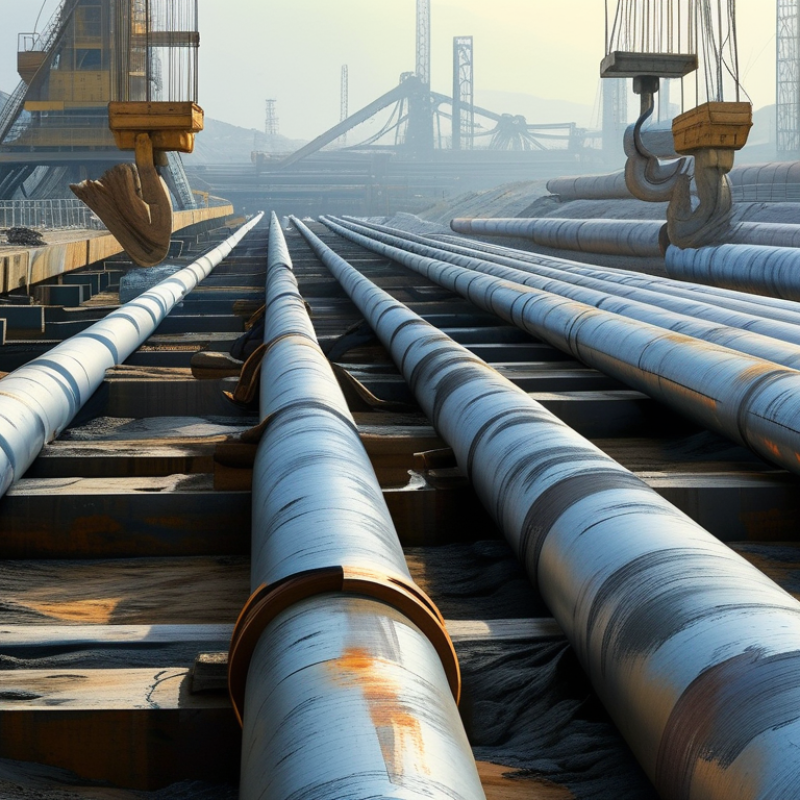
What is a Seamless Pipe? Definition and Key Characteristics
Seamless pipes are essential components in various industrial applications. They differ from welded pipes as they are made from a single solid piece of metal. This design eliminates weak points and reduces the risk of leaks. Seamless pipes can withstand high pressures and extreme temperatures, making them ideal for the oil and gas industries. According to a recent report by Global Market Insights, the seamless pipe market was valued at approximately $52 billion in 2022 and is expected to grow significantly.
The key characteristics of seamless pipes include their high strength and durability. They typically come in various sizes and material grades, allowing for versatility in use. For instance, ASTM A106 is a standard specification for seamless carbon steel pipe suitable for high-temperature service. Seamless pipes are often preferred over welded pipes, especially in critical applications. However, they can be more expensive to produce, which is a consideration for budget-conscious projects.
Moreover, seamless pipes generally have a smoother surface finish. This feature enhances their resistance to corrosion, leading to a longer lifespan. In many cases, the lack of seams reduces the chances of material failure under stress. That said, production methods for seamless pipes can be less efficient than those for welded alternatives, raising questions about scalability in high-demand situations. Balancing cost and reliability remains a challenge in the industry.
The Manufacturing Process of Seamless Pipes: A Step-by-Step Overview
The manufacturing process of seamless pipes is intricate and requires precision. It starts with a solid round billet, which is heated to a high temperature. This makes the metal more malleable for shaping. Then, the heated billet is pierced using a mandrel to create a hollow tube. This initial step is crucial, as imperfections here can lead to significant quality issues down the line.
Next, the hollow tube is elongating. This is typically done through a process known as rotary piercing. The tube is further stretched and shaped using various rolling techniques. These techniques ensure the final product meets strict specifications. It's important to monitor temperature and pressure closely. Any deviation could affect durability.
Finally, the seamless pipes undergo rigorous quality control. Each pipe is tested for strength and potential defects. However, even with this thorough process, unexpected flaws may still occur. Continuous improvements in technology and techniques are vital for minimizing these imperfections. The goal is to produce reliable and high-quality pipes that meet industry demands.
Applications of Seamless Pipes in Various Industries and Their Importance
Seamless pipes play a crucial role across various industries. Their absence of welds makes them ideal for high-pressure applications. According to a report from MarketsandMarkets, the seamless pipe market is projected to reach $37.6 billion by 2025. This growth reflects their significance in sectors like oil and gas, construction, and automotive.
In the oil and gas sector, seamless pipes are essential for transporting fluids under high pressure. The Material and Manufacturing Technology journal indicated that these pipes can withstand extreme temperatures and corrosive environments. This durability is vital for ensuring safety and efficiency in operations. In construction, seamless pipes find applications in structural frameworks. They offer strength and reliability that welded alternatives may lack.
However, the production of seamless pipes is not without challenges. The manufacturing process requires high precision and advanced technology, leading to higher costs. This aspect can limit their use in cost-sensitive projects. Despite these challenges, the unique properties of seamless pipes continue to drive innovations and adaptations in modern engineering practices.
What is a Seamless Pipe and Why is it Important? - Applications of Seamless Pipes in Various Industries and Their Importance
| Industry | Application | Material Used | Importance |
| Oil and Gas | Transportation of crude oil and natural gas | Carbon steel | High strength and resistance to high pressure |
| Construction | Structural components such as beams and columns | Alloy steel | Durability and load-bearing capacity |
| Automotive | Manufacture of exhaust systems and chassis | Stainless steel | Corrosion resistance and longevity |
| Aerospace | Fuel and hydraulic lines | Titanium alloys | Lightweight and high strength |
| Pharmaceutical | Piping systems for chemical processing | 316L stainless steel | Hygienic and resistant to contamination |
Comparative Analysis: Seamless vs Welded Pipes in Performance and Safety
Seamless pipes are manufactured without welded joints. This unique feature enhances their strength and durability, making them a preferred choice in critical applications. A recent industry report indicated that seamless pipes can handle higher pressures than their welded counterparts. This is vital in sectors like oil and gas, where safety is a priority. The absence of welds minimizes failure points, leading to improved structural integrity.
When comparing seamless and welded pipes, performance varies significantly. Seamless pipes excel in high-stress environments. Their uniform distribution of material means they are less prone to corrosion. According to a 2022 analysis, seamless pipes showed a 30% longer lifespan under extreme conditions compared to welded pipes. On the other hand, welded pipes are easier to produce and may be more cost-effective for less demanding applications. However, their joints are often seen as weak spots, which can compromise overall safety in high-risk scenarios.
The choice between seamless and welded pipes also reflects project specifications and safety standards. Engineers often prefer seamless options for projects involving critical safety regulations. However, the greater cost of seamless pipes poses a challenge. Decision-makers must weigh performance benefits against budget constraints. This balancing act highlights the complexity of pipeline selection in today's demanding industrial landscape.
Industry Standards and Specifications Governing Seamless Pipe Production
Seamless pipes are crucial in various industries, notably in oil and gas. Their production is governed by strict industry standards and specifications. These ensure safety, durability, and functionality. Organizations like ASTM and ISO provide guidelines that outline material properties, dimensions, and testing methods. Adhering to these standards is not just a formality; it directly impacts performance and safety in operations.
The manufacturing process of seamless pipes involves high precision. Every stage, from raw material selection to the final heat treatment, must comply with established norms. For example, the American Petroleum Institute (API) has standards specifically for pipes used in petroleum and natural gas industries. It’s vital that manufacturers rigorously follow these standards. Any deviation could lead to significant failures in critical applications.
While standards help guarantee quality, they also prompt reflection on process improvement. Manufacturers often face challenges in meeting these specifications. Continuous improvements in technology and techniques can enhance production efficiency. However, it remains a balance between adhering to standards and innovating for better performance.
Seamless Pipe Production Specifications
 English
  Français