What is the Shelf Life of Chocolate and How to Tell Its Expiration?
Chocolate is a beloved treat enjoyed worldwide. Yet, many people overlook its shelf life. Understanding Chocolate expiration is crucial for savoring its best flavors. Dr. Emily Moore, a food scientist, emphasizes, "Chocolate can last long, but quality diminishes over time."
When stored properly, chocolate can last for months or even years. However, quality issues may arise. Factors such as temperature and humidity play significant roles. It can become dry or lose its rich taste if stored improperly.
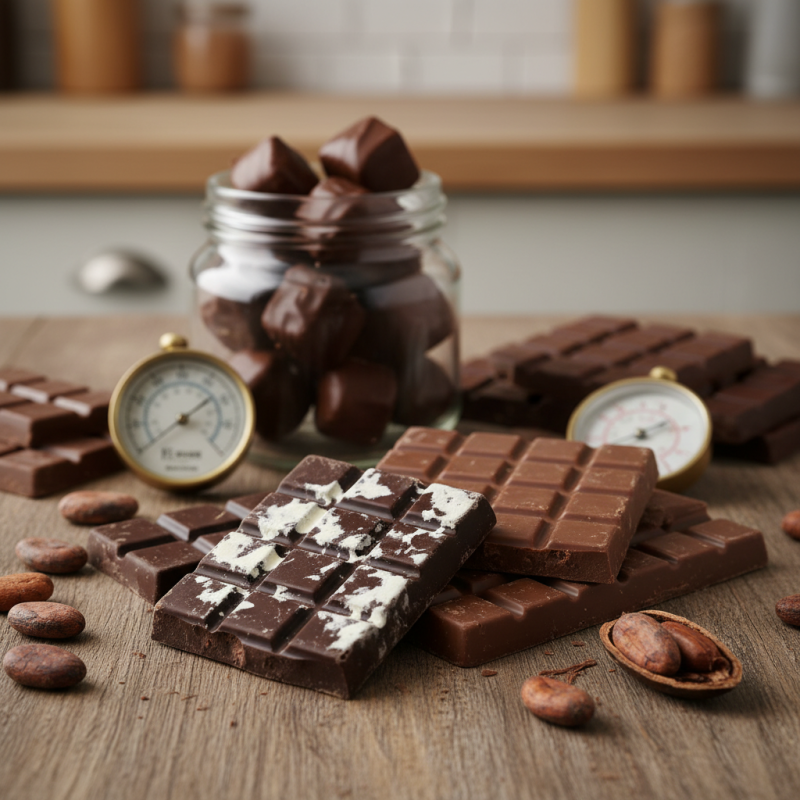
Many consumers may not recognize signs of aging chocolate. A white film, often called "bloom," can form due to temperature changes. This can make chocolate less appealing but doesn’t mean it’s harmful. Being mindful of chocolate expiration could elevate your enjoyment of this tasty delight.
What Factors Influence the Shelf Life of Chocolate?
The shelf life of chocolate can vary significantly. Several key factors influence how long it remains fresh. One primary factor is the type of chocolate. Dark chocolate, with its higher cocoa content and lower dairy, tends to last longer than milk or white chocolate. This is due to dark chocolate’s lower moisture levels.
Storage conditions play a crucial role, too. Chocolate should be kept in a cool, dry place. Excess heat or humidity can cause it to bloom, resulting in a white film on the surface. This is not harmful but affects texture and taste. An opened chocolate bar will typically go stale faster than an unopened one.
Ingredients also matter. Chocolates with added fillings or inclusions expire sooner. These ingredients have different shelf lives. Keep in mind that fat and sugar can help preserve chocolate, but are not foolproof. Regularly check for unusual odors or changes in texture. Remind yourself to trust your senses; if it seems off, consider tossing it out.
Understanding Different Types of Chocolate and Their Durability
When it comes to chocolate, not all types are created equal. Dark chocolate can last up to two years. Milk chocolate usually lasts around one year. White chocolate, on the other hand, has a shorter shelf life of about six months. This variation is due to the ingredients used and their water content. Dark chocolate has a high cocoa content, making it more stable.
Tips: Always check the packaging for a "best by" date. This isn't the same as an expiration date. Smell your chocolate too; a sour or rancid odor signals it's time to toss it.
Storage conditions also play a key role in chocolate’s durability. Keep chocolate in a cool, dry place. High humidity can lead to sugar bloom, which is when sugar crystals form on the chocolate surface. This might affect texture, but it won’t make it unsafe to eat.
Tips: If you notice a white film on your chocolate, don’t panic. It could just be fat bloom. While it looks odd, it’s still safe and edible.
Signs of Expired Chocolate: How to Identify Spoilage
Chocolate can last for months, but it doesn’t stay fresh forever. Over time, it can develop certain signs of spoilage. A whitish film can form on its surface. This is called "fat bloom" and is a common occurrence. It happens when temperature changes cause cocoa butter to separate. While it looks unappealing, it’s usually safe to eat.
Another sign of expired chocolate is an off smell. Fresh chocolate has a rich aroma. If it begins to smell stale or rancid, it's better to discard it. Texture changes are also important. Chocolate can become dry or crumbly, indicating it may no longer be good. If you notice these changes, it’s a sign to let it go.
Tips: Store chocolate in a cool, dry place. This can prevent spoilage. Keep it away from strong odors. Chocolate absorbs smells easily, which can ruin its taste. Always check for visual and scent cues before indulging. If you’re unsure, it’s safer to avoid consumption. Remember that while chocolate may taste okay after expiry, the quality diminishes, so trust your senses.
Proper Storage Methods to Extend Chocolate Longevity
Proper storage methods play a crucial role in extending the shelf life of chocolate. Studies show that chocolate stored in cool, dry places can last up to two years. The ideal temperature range is between 60°F and 70°F. Humidity can ruin the texture and flavor. A dark pantry or cupboard can be perfect for storage. Light can also affect chocolate quality. Use opaque containers to shield it from exposure.
Avoid refrigerating chocolate unless necessary. Cold storage can lead to condensation. This alters the texture and can result in a white film. Instead, wrap chocolate tightly in foil or plastic. This prevents air from entering. Airborne odors may infiltrate and change the taste. Using vacuum-sealed bags provides extra protection. These methods keep chocolate fresher for longer.
Regular checks are essential. Chocolate can still go bad, and it might not be obvious. Look for signs like fading colors or unusual smells. Although chocolate can last, its flavors may degrade. Quality is just as important as longevity. Keeping notes on storage methods can help refine the process over time. Achieving the perfect balance of flavor and freshness requires attention to detail.
Industry Insights: Average Shelf Life of Various Chocolate Products
Chocolate is a beloved treat, but its shelf life varies. Understanding this can help you enjoy it at its best. Typically, dark chocolate lasts the longest. It can remain fresh for 2 years or more if stored correctly. Milk chocolate and white chocolate, however, have shorter lifespans. They usually last about 1 year.
To tell if your chocolate has expired, look for changes in texture or flavor. If it develops a white coating, called bloom, it is still safe to eat but may not taste as good. Pay attention to smells; any off-putting odors indicate that it has gone bad.
**Tips:** Store chocolate in a cool, dry place. Avoid exposing it to heat or moisture. For bites of freshness, enjoy chocolate within a few months of opening. Always check the expiration date, but also trust your senses. If in doubt, throw it out.
 English
  Français