What is a Smart Milk Tea Robot and How Does It Work?

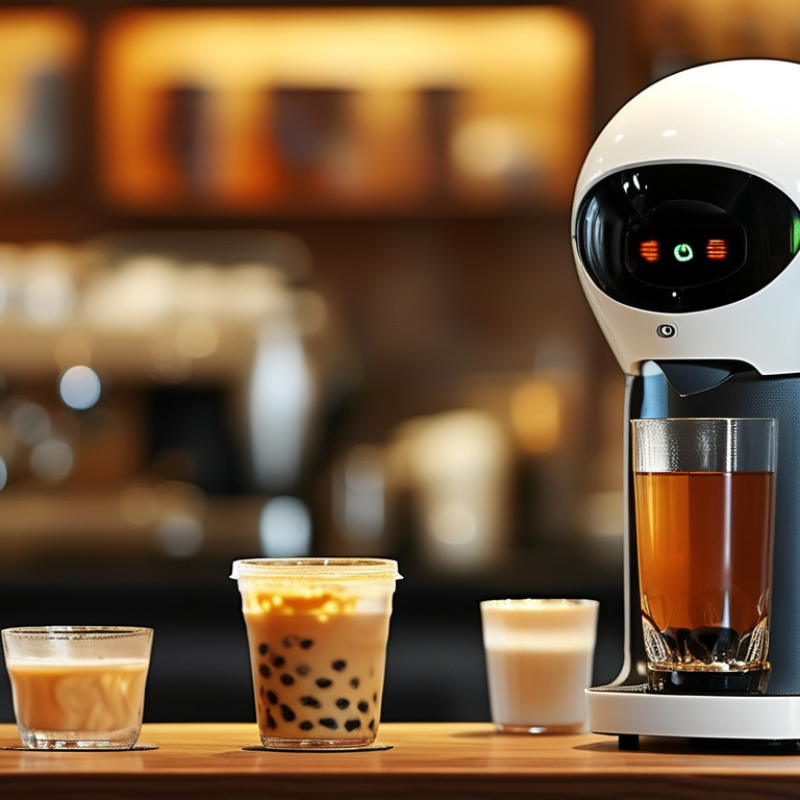
    The Smart Milk Tea Robot is an innovative solution in the food and beverage industry. It combines technology and taste, enhancing our daily tea-drinking experience. This robot represents a blend of convenience and customization, appealing to tech-savvy consumers and tea enthusiasts alike.

    Operating with advanced algorithms, the Smart Milk Tea Robot crafts each drink to perfection. Users can select ingredients and flavors through a user-friendly interface. This ensures a personalized touch, catering to different preferences. However, this technology sparks discussions about reliability and consistency. Can it truly match a skilled human barista?

    While the Smart Milk Tea Robot showcases impressive capabilities, challenges remain. The balance between automation and human interaction needs careful consideration. As this technology evolves, the quest for quality control will be essential. Tastes vary widely, and not every creation may delight every palate.
    What is a Smart Milk Tea Robot and How Does It Work?

    What Is a Smart Milk Tea Robot and Its Impact on Beverage Industry?

    The emergence of smart milk tea robots is transforming the beverage industry. These robots combine technology with beverage preparation, offering precision and efficiency. Research indicates that the global beverage robotics market is projected to grow at a CAGR of 20% from 2021 to 2028. This growth highlights the increasing demand for automation in catering to consumer preferences.

    Smart milk tea robots do not just brew tea; they personalize each drink. They analyze customer preferences using data analytics. This capability helps businesses optimize their offerings. However, there are challenges, such as ensuring quality and taste consistency. If the recipe is not programmed correctly, the end product may not meet customer expectations.

    Tips for businesses: Regularly update the software for these robots to enhance their performance. Monitor customer feedback to refine recipe parameters. Additionally, consider integrating real-time analytics to adapt to changing market trends. Emphasizing quality control is essential to maintain a competitive edge. This technology may reduce labor costs, but maintaining a human touch can still be crucial. Balancing automation with personal interaction can lead to greater customer satisfaction.

    What is a Smart Milk Tea Robot and How Does It Work? - Impact on Beverage Industry

    Feature Description Impact on Beverage Industry
    Automation Use of robotic technology to prepare milk tea beverages automatically. Increases efficiency and reduces labor costs.
    Customization Allows customers to personalize their drinks through mobile apps. Enhances customer experience and engagement.
    Consistency Delivers the same flavor and quality with every order. Improves brand reliability and customer loyalty.
    Speed Rapid preparation and serving of drinks. Reduces wait times and increases customer satisfaction.
    Data Analytics Collects customer preferences and sales data for analysis. Informs business decisions and marketing strategies.
    Hygiene Minimizes human contact in drink preparation. Ensures safer consumption amidst health concerns.

    Key Components and Technologies Behind Smart Milk Tea Robots

    Smart milk tea robots are revolutionizing beverage preparation. Their design combines advanced robotics and artificial intelligence. Key components include sensors, mixers, and dispensers, each playing a vital role in creating the perfect cup of tea.

    Sensors monitor ingredients in real-time. They ensure the correct measurements and perfect flavor balance. For instance, a robot uses weight sensors to measure tea leaves accurately. It prevents over-extraction, which can lead to bitterness. Mixers blend ingredients seamlessly, achieving a consistent taste. Dispensers handle various toppings, such as tapioca pearls, with precision.

    Tips: Consider personal taste preferences when programming a smart milk tea robot. Experiment with ingredient ratios to find the ideal mix.

    While these robots greatly enhance efficiency, they can also pose challenges. For example, maintaining cleanliness is crucial for optimal performance. A robot might malfunction if ingredients clog its dispensing system. Regular maintenance checks are necessary to prevent such issues.

    Tips: Schedule periodic inspections to ensure the robot operates smoothly. This can save time and resources in the long run.

    How Smart Milk Tea Robots Improve Efficiency and Customer Experience

    Smart milk tea robots are revolutionizing the beverage industry. These machines blend precision, speed, and customer engagement. According to recent industry reports, automation can enhance operational efficiency by up to 30%. With fewer errors in drink preparation, customers receive their orders quickly and accurately, boosting satisfaction.

    These robots streamline the entire process. They manage inventory, customize orders, and ensure consistent quality. The turnaround time for a customer order can drop to under two minutes. This efficiency not only satisfies customers but also increases throughput—in some locations, sales have risen by 20% after implementation.

    Tip: Engage with customers through interactive interfaces on the robots. Personalized experiences can improve retention. While many customers enjoy the novelty of ordering from a robot, there may be a learning curve. Staff training on interacting with these machines is essential. Addressing initial hesitations can enhance the customer experience. Anticipating potential issues can optimize operations and further improve service quality.

    Efficiency and Customer Experience Improvement by Smart Milk Tea Robots

    Market Trends: Adoption Rates of Smart Milk Tea Robots Worldwide

    Smart milk tea robots are transforming the beverage market. These automated machines prepare milk tea quickly and efficiently. They utilize advanced technology to mix ingredients precisely. As a result, they ensure consistent taste and quality. The trend toward automation in beverage preparation is on the rise.

    Adoption rates of smart milk tea robots are increasing globally. In Asia, there's a noticeable shift. More cafes and tea shops are integrating these robots. This trend is driven by the demand for quick service and innovation. Customers appreciate the speed and customization options available through these machines. However, some establishments may face challenges in training staff to operate these systems effectively.

    Tips: Consider the impact of smart robots on customer experience. While they enhance efficiency, personal interaction may decrease. Business owners should balance technology with human touch. Note that initial costs for these robots can be high. Proper maintenance is essential to avoid breakdowns. Staying updated with technology trends can help businesses make informed decisions.

    Future Innovations in Smart Milk Tea Robotics and Their Potential Applications

    The rise of smart milk tea robots is revolutionizing beverage preparation. These innovative machines use artificial intelligence and automation to serve personalized drinks quickly. Market research indicates that the global beverage robotics market is expected to grow by 25% annually through 2025. This growth highlights the increasing demand for automation in the food and beverage industry.

    Future innovations in milk tea robotics could see enhancements like improved taste profiling and customization. By analyzing customer preferences, these robots can create tailored drinks that cater to individual tastes. Industry experts project that, by 2027, nearly 30% of beverage companies will implement robotic systems for efficiency. However, challenges remain. The technology requires significant upfront investment and ongoing maintenance. Additionally, ensuring consistent quality across different locations can be complex.

    We may also see smart milk tea robots integrating with mobile apps and social media for streamlined ordering. Reports suggest that 40% of consumers favor brands that leverage technology for convenience. Yet, establishing trust in such automated systems will be crucial. Food safety and quality assurance should be prioritized. As innovations evolve, the efficiency and reliability of smart milk tea robots will undoubtedly play a vital role in their acceptance within the market.