What is a Switching Power Supply and How Does It Work?
In the realm of modern electronics, the concept of a Switching Power Supply (SPS) has gained significant attention. Leading industry expert Dr. Emily Chang states, "Switching Power Supplies are the backbone of efficient power management." This statement emphasizes the crucial role that SPS plays in powering a wide array of devices.
The intricate design of a Switching Power Supply allows for efficient energy conversion. It utilizes high-frequency switching and transformer technology to minimize energy loss. Many consumers rely on SPS in their everyday electronics, yet the complexity can be daunting. Some users may face challenges understanding its operational principles, resulting in a steep learning curve.
While a Switching Power Supply is fundamental for energy efficiency, it also poses design challenges. Engineers must consider heat dissipation, electromagnetic interference, and reliability. Crafting a dependable SPS demands careful thought and expertise. The balance between performance and efficiency remains a subject of ongoing reflection in the industry.
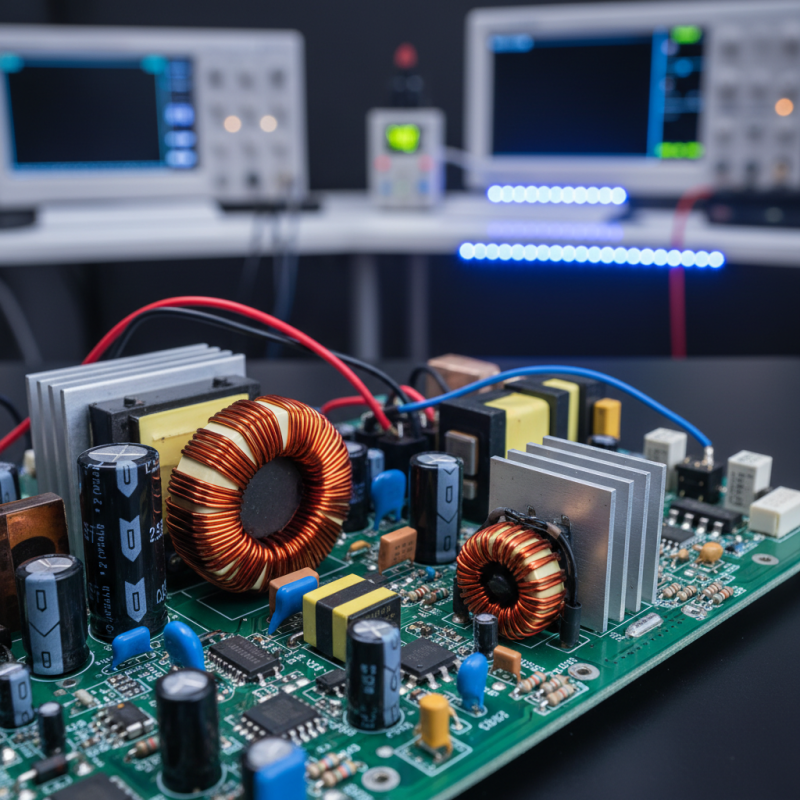
What is a Switching Power Supply?
A switching power supply (SPS) is an essential component in modern electronics. It converts electrical power efficiently. Traditional power supplies often waste energy as heat. In contrast, SPS technology minimizes energy loss, typically achieving over over 80% efficiency.
The basic function of a switching power supply includes converting input voltage to a stable output. This occurs through a rapid switching process. High-frequency transistors regulate energy flow, resulting in reduced size and weight. According to industry reports, the global market for SPS is projected to reach 40 billion USD by 2027. This growth highlights its importance in various applications, such as computers and telecommunications.
Despite its advantages, SPS can produce electromagnetic interference (EMI). This may affect nearby devices. Additionally, design complexities can lead to potential failures if not managed properly. Awareness of these issues is crucial for engineers. Accepting limitations can improve future designs and ensure reliable performance.
Basic Components of a Switching Power Supply
A switching power supply (SPS) is an essential component in modern electronics. Understanding its basic components helps in grasping how it works. An SPS mainly includes a transformer, control circuitry, and an output rectifier. Each part plays a crucial role in converting voltage efficiently.
The transformer adjusts the voltage levels needed. It can step up or step down AC voltage as required. Control circuitry regulates the output. This ensures stable voltage even when input fluctuates. Finally, the output rectifier converts AC back to DC. This is crucial for powering devices that rely on steady current.
Tip: Always consider the efficiency rating. A higher rating means less wasted energy. Look for features that enhance reliability. Regularly inspect components for signs of wear or damage. A small overlook could lead to significant issues later.
Principles of Operation for Switching Power Supplies
Switching power supplies are crucial in modern electronics. They convert electrical energy efficiently. This process involves high-frequency switching and energy storage elements. At the core of their operation is a control circuit. It regulates output voltage and current.
These supplies use inductors and capacitors for energy conversion. When the input voltage is high, the circuit turns on. Current flows through an inductor, storing energy. When the switch turns off, the energy is released. Capacitors smooth out the output voltage. This rapid switching makes them efficient.
Tips: Always check compatibility when replacing power supplies. Different devices have unique requirements. Using the wrong type can cause damage. Be cautious with adjustments. Small errors can lead to significant issues.
In practice, not all designs are optimal. Some may waste energy through heat. Proper cooling mechanisms can help. Consider the layout of components. Sometimes, space constraints lead to compromises. Assessing effectiveness often reveals improvement areas.
Advantages of Using Switching Power Supplies
Switching power supplies have gained popularity in various electronic applications due to several advantages. One major benefit is their efficiency. According to a report by Research and Markets, these supplies can achieve efficiency levels as high as 90-95%. This high efficiency translates to less energy waste and lower electricity costs for consumers.
Another advantage is the compact size of switching power supplies. They can deliver high power in small form factors. This makes them ideal for devices where space is limited. For example, in laptops and smartphones, every millimeter counts. Their lightweight nature also makes them easier to handle and reduces shipping costs for manufacturers.
**Tip:** When selecting a switching power supply, ensure it meets the specific voltage and current requirements of your device. This helps avoid overheating and potential damage.
Despite their benefits, switching power supplies do have some drawbacks. They can introduce electrical noise into the circuit, which may affect sensitive components. Additionally, their complex design could lead to challenges in repair or troubleshooting.
**Tip:** Regularly monitor your power supply, especially in critical applications. Keeping it in check can help maintain performance and reliability. Understanding these aspects can aid in making informed decisions about power supply options.
What is a Switching Power Supply and How Does It Work? - Advantages of Using Switching Power Supplies
| Characteristics | Details |
| Efficiency | Typically over 80-90%, reducing heat loss. |
| Size | Compact and lightweight compared to linear power supplies. |
| Output Voltage | Wide range of output voltages can be achieved with minimal stress. |
| Control Method | Can use PWM (Pulse Width Modulation) for output regulation. |
| Noise Levels | Generally higher due to switching frequencies. |
| Cost Effectiveness | Lower components count and reduced thermal management costs. |
Common Applications of Switching Power Supplies
Switching power supplies have become essential in modern electronics. They convert electrical power efficiently, making them popular in various applications. One common use is in computers. These supplies help power everything from the motherboard to hard drives. They are compact and lightweight, making them ideal for both desktop and laptop models.
Another important application is in telecommunications. Switching power supplies are crucial for network devices. Routers and switches rely on them to function correctly. These devices often require stable and reliable power sources to ensure they can communicate effectively. Without switching power supplies, the systems might suffer from fluctuations and failures.
Switching power supplies also find use in consumer electronics. They are used in televisions, gaming consoles, and audio equipment. This technology allows devices to operate smoothly and consume less energy. However, the design process for these supplies can be challenging. Engineers need to balance efficiency, thermal management, and cost. It is not always easy to get it right.
 English
  Français