Essential Tips for Choosing the Right Conveyor Belt Rollers?
Choosing the right conveyor belt rollers is a crucial step for any business. These components play a vital role in the efficiency of material handling systems. Understanding their importance can help improve operations and reduce costs.
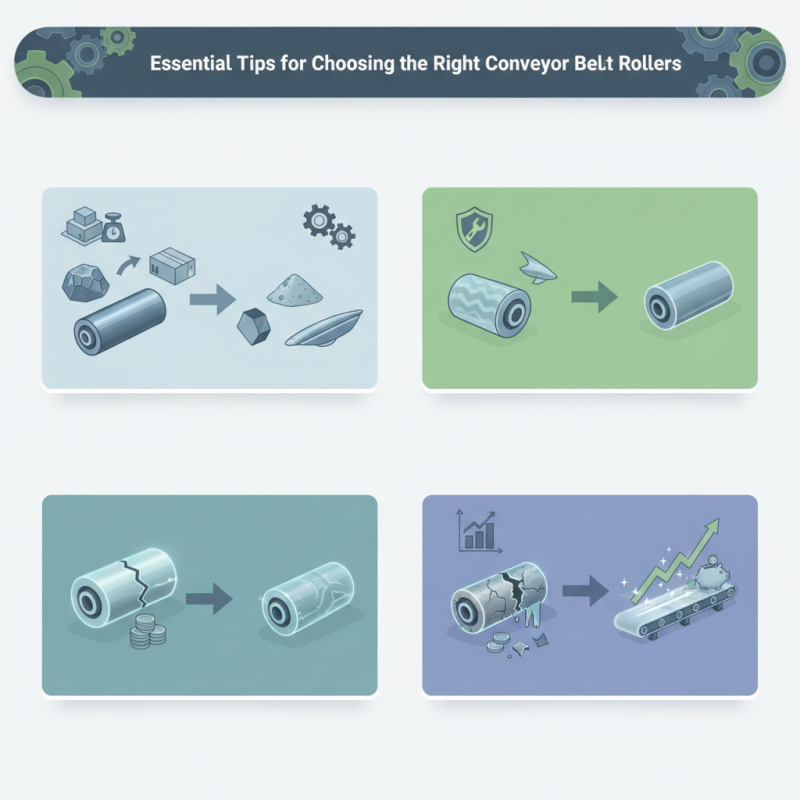
Consider the type of materials you are transporting. Different materials require different roller designs. For instance, heavier materials may need rollers with higher load capacities. The surface of the roller also matters. Smooth rollers can support quick transport, while textured surfaces prevent slippage.
It's essential to evaluate the materials used in roller construction. Poor quality materials can lead to rapid wear and tear. Reflect on the long-term benefits of investing in durable rollers. In the end, taking the time to choose the right conveyor belt rollers will pay off.
Understanding the Function of Conveyor Belt Rollers
Conveyor belt rollers play a crucial role in material handling systems. They are responsible for supporting the conveyor belt and ensuring smooth movement. The correct choice of rollers directly affects the efficiency of the operation. Inadequate rollers can lead to increased friction, causing wear and tear.
Several factors influence roller performance. Material is vital. Steel rollers are durable but heavy. Plastic rollers are lighter yet may not provide the same support. The size and diameter also matter. Larger rollers can handle heavier loads, while smaller ones may be more suited for lighter applications. Choosing based on load capacity is essential.
Maintenance is often overlooked. Regular inspections can prevent unexpected failures. Signs of wear or damage should be addressed promptly. Updating worn rollers can improve efficiency. A simple change can lead to significant gains. When selecting rollers, pay attention to the details. Evaluate your specific needs thoroughly.
Types of Conveyor Belt Rollers and Their Applications
When selecting conveyor belt rollers, understanding their types and applications is crucial. There are various roller types, each tailored for different functions. For instance, idler rollers support the conveyor belt and ensure smooth operation. They come in different configurations, including flat and tapered designs, helping to accommodate changes in material flow.
Drum rollers are another vital type. They drive the belt forward. These rollers often feature rubber coatings to enhance grip and reduce slippage. Moreover, the application environment matters. For instance, in dusty or wet conditions, selecting rollers with corrosion-resistant materials is essential.
Sometimes, it’s challenging to choose the right roller due to conflicting needs. You might find that a roller designed for heavy loads may not fit in tighter spaces. This means compromises may be necessary. It's important to weigh the benefits against technical constraints. An effective selection process involves not just understanding the types but also the specific needs of your operation.
Key Factors to Consider When Selecting Rollers
When selecting conveyor belt rollers, several key factors come into play. First, consider the material of the rollers. Steel, plastic, and rubber offer different benefits. Steel is durable but heavy. Plastic is lightweight but may wear down faster. Rubber provides good grip but can be less stable at high speeds. Analyze the environment where the rollers will be used. For wet or corrosive areas, material choice is crucial.
Another important factor is the roller diameter. A larger diameter allows for smoother transitions and reduces wear on the belt. Yet, too large a diameter can lead to spacing issues. Pay attention to load capacity as well. Misjudging this can result in premature roller failure. Choose rollers that can handle peak loads comfortably.
Finally, consider the maintenance needs. Some rollers require regular lubrication or cleaning. Automated systems can reduce downtime, but they may cost more upfront. Balancing cost against long-term efficiency is vital. Sometimes, the cheapest option leads to higher expenses later. Be open to learning from past purchases. Each selection is a chance for improvement.
Material Considerations for Conveyor Belt Rollers
When selecting conveyor belt rollers, material choice is crucial. Different materials have unique characteristics. Common options include metal, plastic, and rubber. Each option serves specific needs. For example, metal rollers are strong but can be heavier. This can increase energy costs. Plastic rollers are lighter and resistant to corrosion. They can also be more flexible in various environments.
According to a recent industry report, around 40% of conveyor system failures are linked to roller material quality. Subpar materials can lead to wear and reduced efficiency. In contrast, high-quality rollers can prolong system lifespan. However, many businesses still opt for cheaper materials to cut costs, often regretting this decision later.
Additionally, consider the operating environment. High temperatures or exposure to chemicals can degrade some materials. Operating in such conditions may require specialty materials, even if they come at a higher cost. Businesses need to balance budget constraints with the long-term benefits of using appropriate materials. Over time, investing in quality can reduce maintenance costs and downtime significantly.
Essential Tips for Choosing the Right Conveyor Belt Rollers
| Material Type | Weight Capacity (lbs) | Roller Diameter (inches) | Temperature Range (°F) | Corrosion Resistance |
| Steel | 5000 | 5 | -20 to 180 | Low |
| Aluminum | 3000 | 4 | -30 to 150 | Medium |
| Plastic | 2000 | 3 | -10 to 120 | High |
| Composite | 4000 | 5 | -20 to 200 | High |
Maintenance Tips for Ensuring Roller Longevity
Maintaining conveyor belt rollers is crucial for longevity and efficiency. Regular inspections are a must. Check for wear and damage. Look out for misalignment, as it can lead to faster deterioration. Even minor issues can escalate into bigger problems. Replace bearings as needed to prevent unnecessary strain on the rollers.
Proper lubrication is essential too. Use the right type of lubricant; too much can attract dirt. Too little leads to friction and heat buildup. Aim for a balanced approach. Ensure the rollers are clean, as debris can hinder performance.
Tracking the condition of your rollers is important. Create a log to document maintenance tasks. This helps in identifying patterns or repeat issues. In time, you may notice recurrent problems needing attention. Listen to operators; their feedback is invaluable. They may detect subtle changes that require further action.
 English
  Français