Top 10 Benefits of Sand Molding Process for Manufacturing?
The sand molding process is a cornerstone in modern manufacturing. It offers numerous advantages that enhance production efficiency and product quality. This technique involves creating molds from sand, which can easily be shaped and reused. Manufacturers appreciate its cost-effectiveness and versatility.
One key benefit of the sand molding process is its ability to produce complex shapes. These shapes often meet stringent design specifications. This method is particularly beneficial for casting metals, allowing for intricate designs that meet industry demands. Additionally, the process is adaptable to various materials, including aluminum and iron.
However, it's essential to recognize some limitations of the sand molding process. The quality of the mold can influence the final product's durability. Companies must continuously assess their techniques. Despite these challenges, the benefits often outweigh the drawbacks. The sand molding process remains a significant tool in the manufacturing landscape.
Introduction to Sand Molding Process in Manufacturing
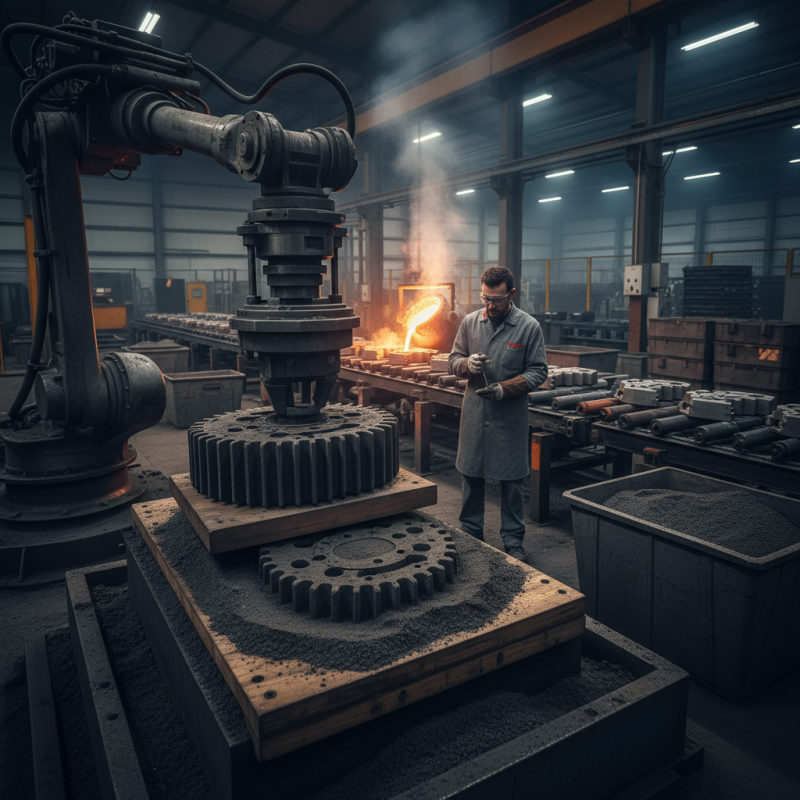
The sand molding process has a rich history in manufacturing. It involves creating a mold using sand, a simple yet effective method. Around 70% of metal casting in foundries utilizes sand molds. This technique is prized for its adaptability. Manufacturers can produce complex shapes with minimal changes to the process.
One notable advantage is cost-effectiveness. Sand is abundant and inexpensive. A report estimates that sand molds can decrease production costs by 20-30%. However, quality control remains a challenge. Variability in sand quality can lead to defects. Monitoring the sand’s composition is crucial but often overlooked.
Another point to consider is the environmental impact. Using sand can generate waste, yet research shows that 90% of used sand can be recycled. This statistic encourages better practices within the industry. Still, many facilities lag in implementing recycling methods. Adopting sustainable practices in sand molding can enhance the overall efficiency of production lines.
Advantages of Sand Molding in Product Design Flexibility
The sand molding process offers exceptional product design flexibility. This method allows manufacturers to create various shapes and sizes. According to a report from the American Foundry Society, sand molds account for nearly 90% of all metal castings. This statistic underscores the versatility of sand molding in industrial applications.
Designers cherish the ability to modify molds easily. When adjustments are needed, sand molds can be sculpted quickly. This adaptability can lead to faster prototyping. For example, engineers can alter a mold based on feedback without incurring significant costs. However, each redesign might introduce challenges, such as maintaining the mold’s integrity. This trade-off can be a source of concern.
Moreover, sand molding can support complex geometries. Intricate designs that would be difficult with other methods are achievable. The use of additives in sand can enhance performance, but consistency can sometimes be a problem. Variability in sand quality might affect mold strength. Manufacturers must remain vigilant to ensure product reliability. Balancing flexibility and reliability remains an ongoing struggle.
Top 10 Benefits of Sand Molding Process for Manufacturing
| Benefit | Description | Impact on Manufacturing |
| Cost-Effective | Lower material costs compared to other molding methods. | Reduces overall production expenses. |
| Design Flexibility | Easily adapt designs for various products and applications. | Encourages innovation in product design. |
| Short Lead Times | Faster process from design to production. | Speeds up time-to-market for new products. |
| High Precision | Allows for detailed and complex shapes to be formed. | Improves product quality and performance. |
| Reusability of Materials | Used sand can be reclaimed and reused in multiple cycles. | Minimizes waste and lowers production costs. |
| Large Production Volumes | Suitable for mass production of metal parts. | Enhances overall efficiency in manufacturing operations. |
| Material Compatibility | Works well with a wide range of metals and alloys. | Provides versatility in product offerings. |
| Environmental Benefits | Reduced environmental impact due to material reuse. | Supports sustainable manufacturing practices. |
| Custom Molds | Ability to create custom molds for specific needs. | Facilitates tailored solutions for clients. |
| Ease of Scaling | Simple adjustment of production levels as needed. | Allows for responsive manufacturing capabilities. |
Cost Efficiency of Sand Molding Compared to Other Methods
The sand molding process offers significant cost efficiency compared to other manufacturing methods. According to a recent industry report, sand casting can reduce production costs by up to 50%. This is primarily due to lower material costs and the ability to reuse sand. Unlike methods that require expensive tooling, sand molding allows for quicker setup and flexibility.
Many manufacturers find that the production cycle is shorter. Quick iterations in design lead to faster outputs. For instance, sand molds can be produced in days instead of weeks. This efficiency can be a game-changer for businesses looking to optimize budgets and timelines. However, it’s essential to reflect on the quality control aspects. While the cost savings are tempting, inconsistent mold quality may lead to increased waste.
Tips for successful sand molding include ensuring proper sand compaction. Well-compacted sand yields better mold strength. Regularly checking moisture content can optimize mold integrity. Moreover, consider investing in advanced techniques like 3D printing to enhance the process. These investments can address the limitations of traditional sand molding while maintaining cost efficiency.
Top 10 Benefits of Sand Molding Process for Manufacturing
Enhanced Surface Finish and Quality of Castings
The sand molding process significantly enhances the surface finish and quality of castings. This method achieves a smoother texture due to the fine grains of sand used in the molds. Studies indicate that sand-cast components can achieve surface finishes as fine as 80 microinches. This is vital in industries requiring precision, such as aerospace and automotive.
Moreover, the adaptability of sand molding allows for intricate designs that maintain high quality. Products made this way exhibit improved dimensional accuracy, reducing the need for secondary processes. In some cases, casting defects are reported at a rate of 2% or less with advanced sand technology. However, achieving such quality demands meticulous control and skilled labor.
Despite these benefits, some manufacturers face challenges. Variability in sand quality can affect outcomes. The need for constant monitoring is essential but can strain resources. While sand molding offers excellent potential, it requires continuous improvement in material selection and process management to fully realize its benefits.
Environmental Considerations in Sand Molding Processes
Sand molding processes are gaining attention for their environmental benefits. This method uses natural materials, reducing the reliance on synthetic components. According to recent studies, over 70% of manufacturers now consider sustainability in their production processes.
The sand molding process can minimize waste. Waste generation is a critical issue in manufacturing. The recycling rate for sand can reach up to 90%. This means less raw material extraction and a smaller environmental footprint. However, not all facilities monitor their waste efficiency closely, leading to potential inefficiencies.
Tips for reducing environmental impact: Implement a strict recycling program for sand. This can help lower costs and improve your sustainability profile. Regular audits of your processes can also identify areas for waste reduction.
In addition, emissions from sand molding can be reduced with upgraded technologies. Yet, many manufacturers still rely on outdated equipment. It's important to stay informed about advancements in this area. Being proactive can lead to better compliance with environmental regulations and reduce your overall carbon footprint.
 English
  Français