Top 10 Center Bearing FAQs You Need to Know?
The Center Bearing plays a crucial role in vehicle performance. This often-overlooked component supports the drive shaft, ensuring smooth rotation. It connects the driveshaft to the vehicle's chassis, promoting stability and balance. When it fails, the consequences can be severe.
Many drivers are unaware of the common issues linked to center bearings. Vibrations, noise, and misalignment are just a few concerns. These problems can lead to larger, costlier repairs. Understanding how center bearings work can prevent these issues.
In this article, we will dive into the top 10 frequently asked questions about center bearings. We aim to provide a clearer picture of their function and significance. Grasping this information can empower vehicle owners and reduce repair costs.
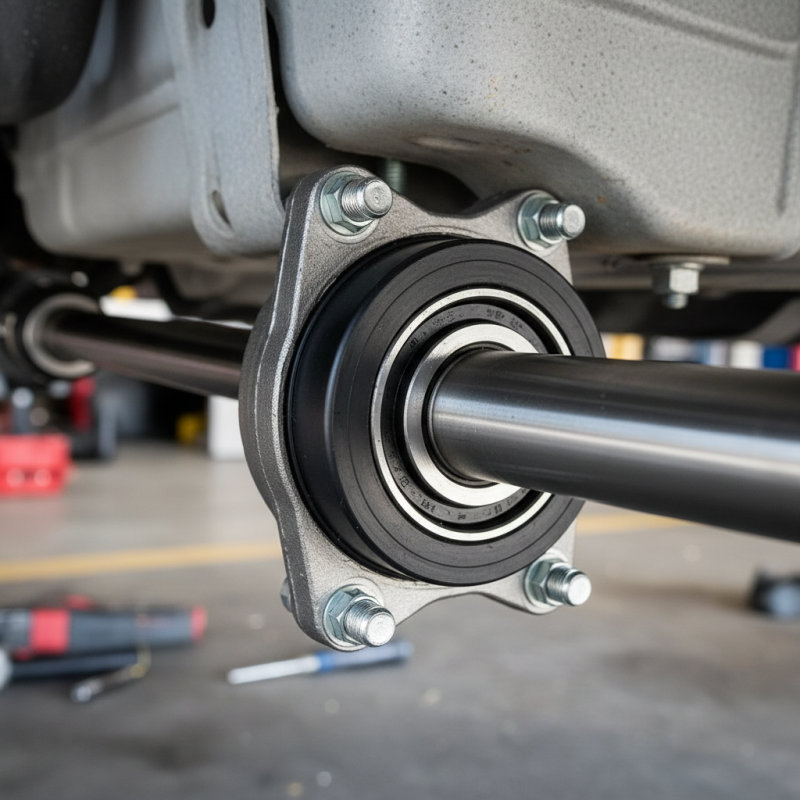
Understanding Center Bearings: Definition and Function
Center bearings play a critical role in the functionality of various vehicles. They support the drive shaft, ensuring smooth rotation. A well-functioning center bearing reduces vibrations and noise. Reports show that a malfunctioning bearing can lead to a 20% decrease in performance efficiency. This underlines their importance in vehicle maintenance.
The definition of a center bearing is straightforward. It acts as a pivot point for the drive shaft, connecting it to the vehicle's chassis. This connection allows the drive shaft to flex during operation. When a center bearing fails, it can cause uneven wear on other components. Therefore, regular inspections are vital. In some cases, drivers might overlook a small vibration. This small issue could indicate a larger problem.
Functionally, center bearings contribute to overall vehicle stability. They allow for optimal alignment and balance within the drivetrain. Research suggests that timely replacement can extend the lifespan of other driveline components. However, many owners might neglect this component. It’s essential to address any signs of wear. Small issues can escalate quickly, leading to costly repairs.
Common Signs of Center Bearing Issues to Watch For
Center bearings play a crucial role in the smooth operation of many vehicles. Recognizing signs of center bearing issues can save you from costly repairs down the line. One common sign is a noticeable vibration. This vibration often becomes more pronounced as speed increases and can be quite unsettling. If you feel a shudder in your vehicle while driving, it might indicate a problem with the center bearing.
Another indicator is unusual noises. A failing center bearing may produce clunking or grinding sounds. These noises often become louder during acceleration or when making turns. If you hear such sounds, it’s wise to have your vehicle inspected. Additionally, signs of misalignment can occur. You may notice the driveshaft may be offset or the vehicle pulling to one side. This misalignment can lead to uneven tire wear, which is a concern in its own right.
Be mindful of fluid leaks as well. If you notice any fluid pooling underneath your vehicle, it may relate to the center bearing. Fluid leaks can be a sign of wear and tear. It's essential to address any changes in your vehicle's performance promptly. Ignoring these signs can lead to more severe issues, compounding the problem. Stay vigilant and trust your instincts when something feels off while driving.
Top 10 Center Bearing FAQs You Need to Know - Common Signs of Center Bearing Issues to Watch For
| FAQ | Description | Common Signs of Issues |
|---|---|---|
| What is a Center Bearing? | A component that supports the driveshaft in vehicles. | N/A |
| What are the signs of a failing Center Bearing? | Vibrations, noise, and instability during driving. | Excessive vibrations, grinding noises. |
| How often should I inspect the Center Bearing? | At least once a year or at regular service intervals. | N/A |
| Can I replace a Center Bearing myself? | Yes, but requires mechanical knowledge and tools. | N/A |
| What causes Center Bearing failure? | Wear and tear, lack of lubrication, or misalignment. | Noise, wear marks. |
| How long does a Center Bearing last? | Typically 50,000 to 100,000 miles. | Mileage fluctuations. |
| Will a faulty Center Bearing affect my vehicle? | Yes, it can lead to driveline issues and decreased performance. | Reduced performance, safety concerns. |
| What tools do I need to check the Center Bearing? | Basic hand tools like wrenches, screws, and a jack. | N/A |
| Is it important to replace a worn Center Bearing? | Yes, for vehicle safety and performance. | Vibrations, unstable handling. |
| Can I drive with a bad Center Bearing? | It is not recommended as it may cause further damage. | Severe vibrations, noise. |
How to Properly Inspect Your Vehicle's Center Bearing
Inspecting your vehicle's center bearing is crucial for safe operation. The center bearing supports the driveshaft. It allows for flexibility and alignment between the engine and wheels. Regular checks can prevent significant failures. According to industry reports, around 30% of vehicle issues relate to drivetrain problems. Among these, center bearing failures are common yet often overlooked.
When inspecting the center bearing, look for signs of wear or damage. Check for vibrations during driving. A worn bearing might cause unusual noises. These noises could indicate misalignment or deterioration. A few minutes of observation can save you time and money later. However, many vehicle owners forget this critical step. Many feel it's unnecessary until they encounter problems.
Pay attention to the rubber cushioning around the bearing. Cracks or deterioration can indicate potential issues. These can lead to further damage if ignored. Research shows that proactive inspections can extend vehicle lifespans significantly. Regular maintenance not only keeps your car running but can also enhance safety on the road. Don't wait for a warning light. Regular checks are needed to maintain vehicle health.
Steps for Replacing a Faulty Center Bearing
Replacing a faulty center bearing can seem challenging. This crucial component supports the driveshaft and must work properly. Neglecting it leads to vibrations and premature wear. Here are some key steps to guide you through the replacement process.
Begin by safely lifting the vehicle and securing it on jack stands. Remove the driveshaft carefully. Inspect the old bearing for wear or damage. Take a moment to reflect—are your tools ready? A missing tool can delay progress significantly. Once the driveshaft is out, remove the center bearing mount. Use a suitable tool to detach the bearing.
Next, install the new center bearing. Ensure it fits snugly in its mount. Reattach the driveshaft. Remember, alignment is crucial. Misalignment can cause vibrations later on. Check all connections are tight. A final inspection can prevent future issues. Proper installation ensures longevity for the component. Take your time and double-check your work.
Frequently Asked Questions About Center Bearing Maintenance
Center bearings play a crucial role in the smooth operation of a vehicle's drive shaft. Regular maintenance is essential to ensure optimal performance. According to recent industry reports, up to 30% of vehicle vibrations can be attributed to worn or damaged center bearings. Frequent checks can help prevent more severe issues that lead to costly repairs.
One common misconception is that center bearings do not require regular inspections. However, studies indicate that over 25% of drivers neglect this aspect, resulting in reduced vehicle performance. A quick visual inspection can reveal signs of wear, such as cracking or excessive play. Furthermore, proper lubrication significantly extends the lifespan of these components. In fact, vehicles that receive timely lubrication adjustments may see a 20% improvement in bearing longevity compared to those that don't.
Ignoring maintenance can lead to detrimental effects. Vibrations that arise from a failing center bearing can cause stress to surrounding components, escalating further repair needs. Additionally, extended neglect can lead to complete bearing failure, which often requires a tow and extensive labor. Recognizing these signs and understanding maintenance importance allows drivers to save on future costs and ensure smoother rides.
English
Français