Top Types of Check Valves in China for Global Buyers?
In recent years, the demand for Check Valves has surged globally, with the market value projected to reach around USD 10 billion by 2026. This growth reflects the essential role of Check Valves in various industries, including oil and gas, water treatment, and power generation. China, as one of the leading manufacturers, plays a pivotal role in meeting global demand.
According to industry reports, China accounted for over 35% of the world's Check Valve production in 2022. The competitive landscape is marked by innovations in design and materials, enhancing efficiency and reliability. For instance, advanced materials like stainless steel and high-performance polymers have been adopted, ensuring durability under extreme conditions.
However, the market faces challenges. Quality control and varying standards can impact performance. Buyers must navigate this landscape carefully, prioritizing suppliers who demonstrate consistent quality and adherence to international standards. Understanding these nuances is vital for making informed purchasing decisions in the Check Valve market.
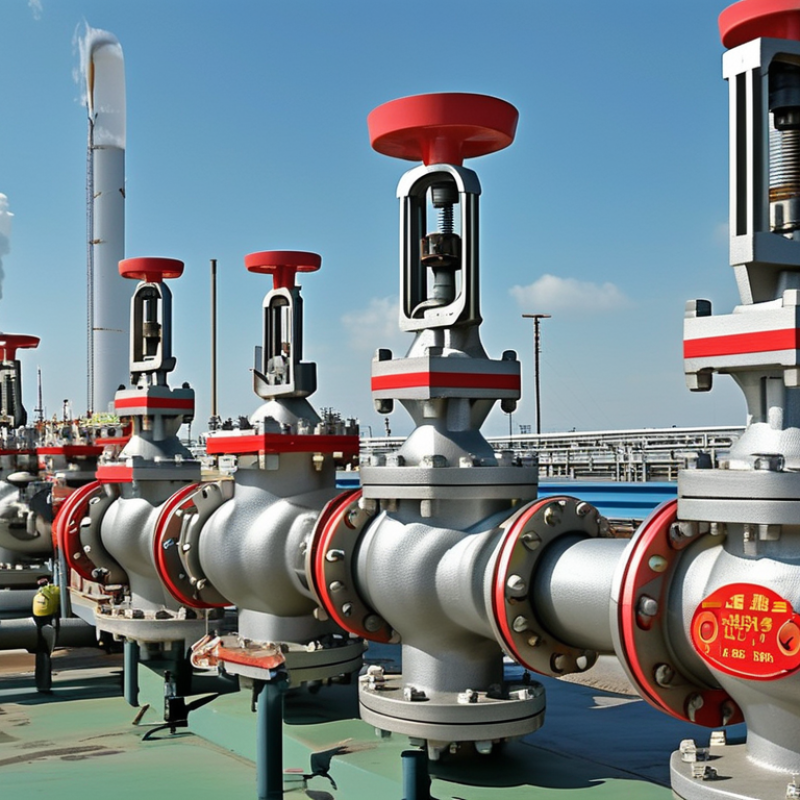
Top Types of Check Valves Used in China’s Industrial Sectors
In China’s industrial sectors, check valves are integral for ensuring fluid control in various applications. The most common types include swing check valves, lift check valves, and ball check valves. According to a recent market analysis, the demand for check valves is projected to grow at a CAGR of over 5% through 2026. This indicates a strong preference for reliable fluid management systems across various industries.
Swing check valves, favored for their simple design, allow fluids to flow in one direction. They are widely used in water treatment plants. In contrast, lift check valves operate with a disc that lifts and drops under fluid pressure. They find extensive applications in oil and gas industries. The efficiency of these valves can significantly impact energy costs. Reports show that properly installed valves can reduce operational costs by 20% over time.
However, not all check valves perform optimally. Some buyers may overlook maintenance needs, leading to frequent failures. Moreover, manufacturers sometimes compromise on materials. This can affect the durability of the valve. Conducting thorough research and analyzing user feedback is crucial. It helps buyers make informed choices and promotes better performance in system operations.
Market Trends: Demand for Check Valves in China’s Export Industry
The demand for check valves in China’s export industry has seen substantial growth. According to a report by Market Research Future, the check valve market in Asia Pacific is projected to reach $4 billion by 2025. This growth is primarily driven by increasing investments in infrastructure projects across various sectors.
Manufacturers in China are adapting to these trends. They offer a diverse range of check valves, including swings, lifts, and ball types. Each type has its advantages depending on the application. For instance, ball check valves provide reliable backflow prevention in fluid systems. This adaptability makes them popular among global buyers.
However, challenges persist. Some manufacturers struggle with quality control. Reports indicate that over 20% of exported check valves do not meet international standards. This raises concerns about reliability for overseas clients. Buyers must conduct thorough assessments before procurement. Despite these issues, the overall trend is favorable for growth. With the right strategies, Chinese manufacturers can significantly enhance their export potential in the check valve market.
Material Composition: Common Materials for Chinese Check Valves
Check valves play a vital role in fluid systems, preventing backflow. In China, various types are available, made from distinct materials. The material composition directly influences the valve's performance and durability.
Common materials for check valves include stainless steel, cast iron, and PVC. Stainless steel is often used due to its corrosion resistance and strength. The global market reflects a growing demand for stainless steel check valves, expected to reach $3 billion by 2026. Cast iron offers durability but may be prone to corrosion in aggressive environments. PVC is lightweight and resistant to certain chemicals, making it suitable for less demanding applications.
Tips: Always consider the fluid type and operating conditions. Different materials perform optimally under specific circumstances. In some cases, the choice of material can significantly impact maintenance frequency and costs. Regular evaluations can help identify potential issues early.
Top Types of Check Valves in China for Global Buyers
| Check Valve Type | Material Composition | Temperature Range | Application |
| Swing Check Valve | Cast Iron, Stainless Steel | -20°C to 120°C | Water, Oil, Gas |
| Lift Check Valve | Brass, PVC | 0°C to 60°C | Water Treatment, HVAC |
| Ball Check Valve | Stainless Steel, PTFE | -50°C to 150°C | Chemical Processing, Oil & Gas |
| Wafer Check Valve | Ductile Iron, EPDM | -10°C to 80°C | Pipelines, Water Supply |
| Dual Plate Check Valve | Stainless Steel, Nitrile | -29°C to 100°C | Pipelines, Industrial Applications |
Manufacturing Standards: Quality Control in China’s Valve Production
China's valve production has gained significant traction in global markets. Quality control remains a focal point for manufacturers, ensuring products meet rigorous international standards. According to industry reports, over 70% of valve manufacturers in China adhere to ISO 9001, a key standard for quality management systems. This compliance is crucial for maintaining reliability in the production process.
However, not all manufacturers consistently uphold these standards. Some companies prioritize quantity over quality, which can lead to inconsistencies. A recent analysis indicated that nearly 25% of Chinese valves tested did not meet endurance requirements. Such discrepancies can affect performance, especially under high-pressure conditions.
Manufacturers often implement quality control measures like regular inspections and testing protocols. These measures ensure that materials, such as cast iron and stainless steel, are sourced from reputable suppliers. Yet, the challenge remains to bridge the gap between stringent quality expectations and production efficiencies. Global buyers must remain vigilant during sourcing, as not every manufacturer prioritizes quality in their operations.
Key Players: Leading Check Valve Manufacturers in China’s Market
In the competitive landscape of China's check valve market, several leading manufacturers stand out. These key players are responsible for a significant portion of the industry’s output. Reports indicate that production in China reached approximately $1 billion in 2022. This reflects a 5% increase from the previous year, highlighting robust demand from both domestic and international markets.
Manufacturers are focusing on innovation to enhance performance and efficiency. Many of them are investing in advanced materials and technologies. According to industry experts, the adoption of high-strength alloys has improved durability in harsh environments. This has led to a reduction in maintenance costs, which is crucial for buyers.
However, challenges persist. Not all manufacturers adhere to international standards, resulting in inconsistent product quality. Some buyers have experienced delays due to supply chain issues. As global demand continues to rise, ensuring reliability will be essential for manufacturers aiming to maintain market share. The evolving landscape demands continuous improvement and responsiveness to market needs.
 English
  Français