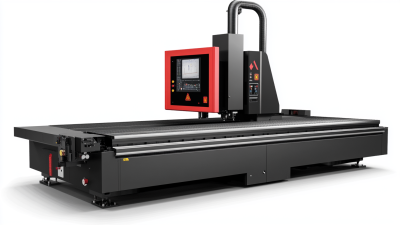
Who Are the Top CNC Cutting Machine Manufacturers in China?

    Choosing a Cnc Cutting Machine is not just a matter of comparing prices or reading a specification sheet. A shop floor tells a fuller story: how cleanly a machine cuts thick plate, how steady its motion stays, and how quickly technicians can source replacement parts. China has manufacturers serving very different needs, from compact workshops to high-volume production lines. Their machines may look similar in a catalogue. Their support, controls, and build quality may not.

    For transparency, Lin Wei below is a fictional composite expert voice, not a quoted or independently verified industry professional. The editorial principle is: “Judge a cutting machine by the consistency of its cuts, the support behind it, and the work it must perform.” That distinction matters. A plasma system suited to structural steel may not fit a precision sheet-metal shop. Laser, waterjet, and flame-cutting equipment each bring different trade-offs in material range, edge quality, operating cost, and maintenance.

    This guide examines leading Chinese manufacturers through practical buying criteria, including machine capability, customization, automation, service, and export experience. It also considers what buyers should verify directly: sample cuts, component brands, warranty terms, installation support, and spare-part availability. No shortlist is perfect. Company capabilities and product lines change, and a polished website cannot replace a factory assessment. The aim is a useful starting point, not a final verdict—because the right Cnc Cutting Machine depends on your materials, workload, tolerance needs, and local service options.
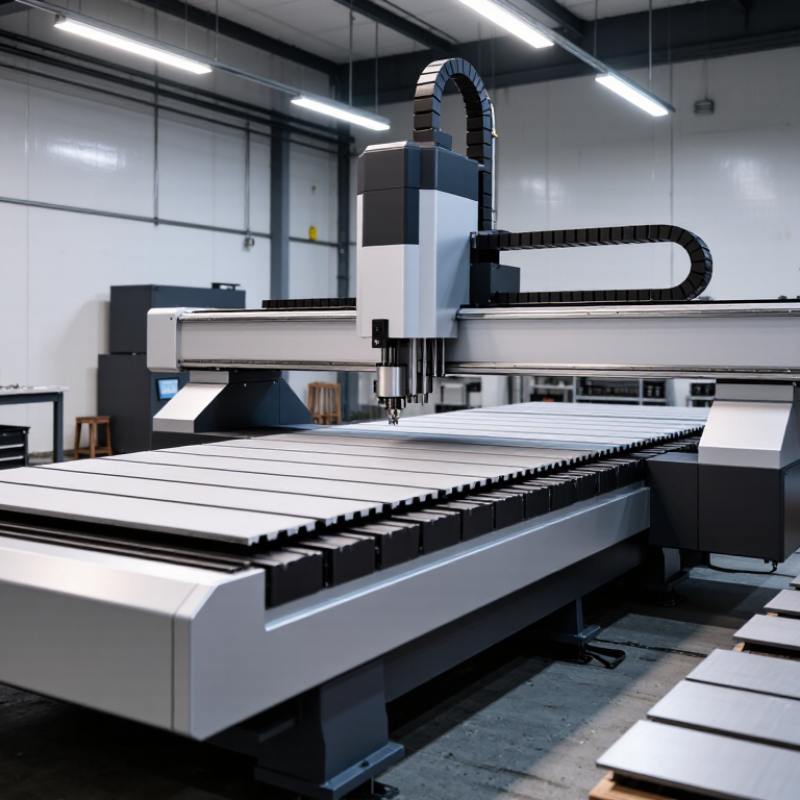
    Who Are the Top CNC Cutting Machine Manufacturers in China?

    China’s CNC Cutting Machine Industry: Scope and Development

    China’s CNC cutting machine industry spans equipment for metal, stone, textiles, composites, and woodworking. Manufacturers produce laser, plasma, waterjet, and knife-cutting systems, with machine size and cutting method shaped by material thickness, accuracy needs, and production volume. A workshop cutting thin sheet metal has different priorities from a factory processing thick plate.

    Development increasingly centers on automation, software integration, and stable motion control. Sensors can help operators monitor cutting conditions, while nesting software reduces unused material on a sheet. These features matter on the shop floor. Yet advanced controls cannot compensate for poor maintenance or unsuitable tooling. Progress is uneven.

    China’s broad manufacturing supply chain supports component sourcing and equipment customization, but capabilities vary between suppliers. Buyers should examine sample cuts, machine specifications, operator training, spare-part access, and service response times. Ask how a machine performs with your actual material, not only with a demonstration sample. Published specifications may look precise, but they rarely describe every production condition. That gap matters. Evaluating total operating costs and local support gives a more realistic picture of the industry’s strengths—and its remaining challenges.

    Main Types of CNC Cutting Machines Made in China

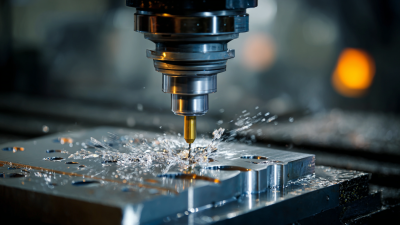
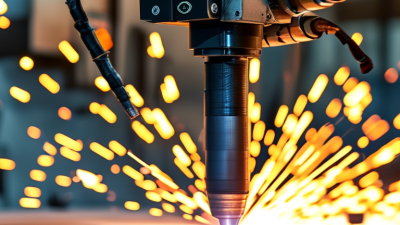
    Chinese-made CNC cutting machines cover several processes, and the right choice depends on material, thickness, and edge requirements. Fiber-laser systems cut sheet metal and tubing with narrow kerfs and little contact force. They suit repeatable parts such as electrical enclosures. Plasma machines handle thicker conductive steel quickly, though their edges may need extra cleanup. Waterjet machines cut stone, metal, glass, and composites without a heat-affected edge. They use high-pressure water, sometimes mixed with abrasive. For wood, plastics, and foam, CNC routers use rotating bits to carve or trim large panels. Digital knife tables cut textiles, leather, and gasket materials with less risk of melting.

    The global market offers useful context, but it is not a China-only measure. Grand View Research valued the laser cutting machine market at about US$6.8 billion in 2023 and forecast 7.1% annual growth from 2024 to 2030. This points to sustained interest in laser processing, not proof that every factory needs a laser. A practical comparison should include cut quality, operating cost, extraction or water handling, and service access. Ask for a sample cut in your actual material. Small details matter. Catalog labels can also blur important differences, especially between machine power ratings and real cutting speed.

    Leading Chinese CNC Cutting Machine Manufacturers

    Leading Chinese CNC cutting machine manufacturers are competing through machine rigidity, cutting accuracy, and service support. China’s manufacturing base gives buyers access to a wide range of configurations, from compact sheet-metal cutters to large-format systems. Scale alone proves little. A machine’s performance depends on its frame, drive system, control software, and the material being processed. Ask for test cuts using your own material and thickness, then inspect edge quality, heat effects, and dimensional consistency.

    Automation is also shaping the market. The International Federation of Robotics reported 276,288 industrial robot installations in China in 2023, equal to 51% of global installations in its World Robotics 2024 report. This figure covers industrial robots, not CNC cutting machines, but it signals a strong automation environment. Buyers should still compare practical details: documented positioning accuracy, consumable costs, operator training, spare-part availability, and local response times. No brochure tells the whole story. A polished demonstration may use ideal settings, while daily production brings changing materials and tighter deadlines. Not guaranteed. Review independent test results where available, and confirm which specifications the manufacturer measures under stated conditions.

    CNC Cutting Technologies: Typical Kerf Width

    A technology-focused comparison to help evaluate CNC cutting machine capabilities.

    Kerf width is the material removed during cutting. The ranges shown are typical examples, not guaranteed specifications; actual results vary with material, thickness, tooling, and machine settings.

    Products and Industries Served by Major Manufacturers

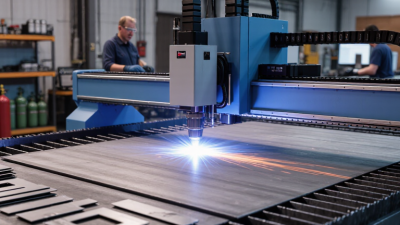
    Major Chinese CNC cutting machine manufacturers serve metalworking, vehicle production, shipbuilding, construction machinery, and sign-making. Their product ranges often include fiber-laser, plasma, oxy-fuel, waterjet, and CNC router systems. Laser machines suit sheet metal, while plasma and oxy-fuel can cut thicker plate, depending on material and power. Waterjet systems avoid heat-affected edges, which can matter when processing composites, stone, or selected metals. Router models commonly handle wood, plastics, and aluminum panels. Capabilities differ by factory.

    Industry demand increasingly favors connected production. The International Federation of Robotics’ World Robotics 2024 report recorded 276,288 industrial robot installations in China in 2023, about 51% of the global total. This measures robot installations, not CNC cutter sales, but it shows the scale of automation surrounding modern production lines. Buyers should compare table size, cutting power, positioning accuracy, nesting software, extraction, and service response. A fast demonstration can hide setup delays or inconsistent results.

    Tips: Request a sample cut using your own material and thickness. Check edge quality, dross, and repeatability. Measure twice. Ask how spare parts and operator training are handled before comparing quotations.

    How to Compare Chinese CNC Cutting Machine Manufacturers

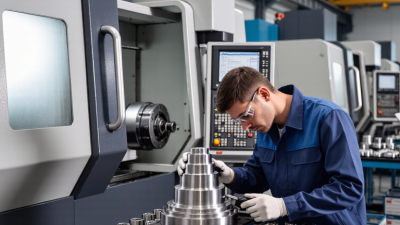
    When comparing Chinese CNC cutting machine manufacturers, start with the material and thickness you actually process. A machine suited to thin sheet may struggle with thicker plate or long production shifts. Ask each supplier to cut your sample material, then inspect the edge, burrs, and finished dimensions. Real parts matter more than a polished brochure. Request specifications for positioning accuracy, repeatability, cutting speed, and compatible file formats. Check how each figure was measured; test conditions can vary.

    Tips: Bring a simple drawing and your typical material to a factory demonstration. Record the settings and compare the same cut across suppliers. Small differences show up clearly.

    Also assess the service behind the machine. Ask who handles installation, operator training, troubleshooting, and replacement parts, and request response-time details in writing. Review the machine’s guarding, controller interface, and maintenance access during a visit or live video tour. Speak with a recent customer if possible. One caveat: a low quote is not automatically poor value, and a high price does not prove better performance. Compare the full configuration and support terms. I would still leave room for doubt until the machine has run your own workload for several hours.

    Who Are the Top CNC Cutting Machine Manufacturers in China? — How to Compare Chinese CNC Cutting Machine Manufacturers

    Comparison Dimension What to Evaluate Evidence to Request Why It Matters
    Cutting Technology Confirm whether the machine uses a router, laser, plasma, waterjet, or oscillating knife. Match the process to the material and required edge quality. Process description, sample cuts using your material, and details of any required extraction, assist gas, or water-treatment equipment. Different processes suit different materials and can produce different edge finishes, kerfs, and operating requirements.
    Material and Thickness Range Check the stated material types and thickness limits for the exact machine configuration, rather than relying on general product claims. Model-specific specifications and a test cut on material matching your production job. Cutting performance depends on the process, tooling, power, material composition, and setup.
    Working Area Compare the usable cutting area with the largest workpiece or sheet you need to process. Check whether the machine supports a conveyor or loading system if required. Dimensioned drawings showing the working area, table size, clearance, and loading arrangement. The nominal table size may not be identical to the usable cutting area.
    Accuracy and Repeatability Review the manufacturer’s definitions for positioning accuracy and repeatability, and check the measurement conditions. Model-specific test results, stated measurement method, and a sample part inspection against your tolerances. Figures are only comparable when their definitions and test conditions are clear.
    Motion System and Structure Inspect the frame, guides, drive components, spindle or cutting head, and the way the machine is assembled and protected from dust or debris. Component specifications, machine drawings, maintenance instructions, and a live demonstration where possible. Machine construction and maintenance requirements affect suitability for the intended workload and environment.
    Control System and Software Check supported file formats, nesting or toolpath workflow, language options, user access, and compatibility with your design software. A software demonstration using one of your own files, plus a list of included and optional software features. A compatible workflow can reduce setup friction and help avoid file-conversion problems.
    Safety and Compliance Verify guarding, emergency stops, electrical safety provisions, laser or dust protection where applicable, and the standards relevant to the destination market. Applicable declarations, certificates, test documentation, and photographs or videos of the delivered configuration. Requirements vary by machine type and destination country; documentation should match the actual model and configuration.
    Factory and Quality Process Assess whether the supplier can explain production, assembly, inspection, and pre-shipment testing for the machine being quoted. Factory audit or live video tour, inspection checklist, serial-number records, and a documented acceptance test. Verifiable processes provide more useful assurance than broad quality claims alone.
    Installation and Training Clarify who handles installation, commissioning, operator training, and troubleshooting, including whether support is remote or on-site. Written service scope, training plan, language availability, and response-time commitments. Clear commissioning arrangements help define the customer’s responsibilities and the supplier’s support obligations.
    Warranty, Spare Parts, and Total Cost Compare warranty coverage, exclusions, spare-parts availability, shipping terms, consumables, and required utilities—not just the machine price. Itemized quotation, warranty document, recommended spare-parts list, and a written list of installation and operating requirements. The purchase price alone does not show the full cost of installing and operating a CNC cutting system.

    Note: CNC cutting machines differ by process and configuration. Compare model-specific documentation and test results; this table provides evaluation criteria rather than a ranking of individual manufacturers.