Top Types of Gate Valve Seats in 2026?
Gate Valve Seats may look like small components, yet they shape how a valve seals, operates, and performs over time. In 2026, choosing a seat still begins with the service conditions—not a product label or a broad material claim. Fluid composition, operating temperature, pressure, cycling frequency, and expected leakage limits all matter. A resilient seat can provide tight shutoff in suitable applications. A metal seat may better tolerate heat, abrasive particles, or demanding service, though it may allow more leakage than a soft seat. Small details matter.
This guide examines common seat arrangements and materials, including resilient and metal seats, replaceable rings, and integral designs. These categories can overlap: a replaceable ring, for example, may have either a resilient or metal sealing surface. That distinction is easy to miss in catalog descriptions. The right comparison should consider more than the seat alone; body materials, trim, pressure class, installation, and maintenance access also affect performance. Check manufacturer data against the actual operating envelope, and confirm applicable test requirements before specifying a valve. Not every chart agrees.
There is no universally best seat. A water line with frequent operation may call for different priorities than a hot process line containing suspended solids. This overview offers practical selection criteria and highlights trade-offs, while recognizing that real service conditions can be less tidy than a datasheet. Use it as a starting point, then verify the details with the valve manufacturer or a qualified engineer.
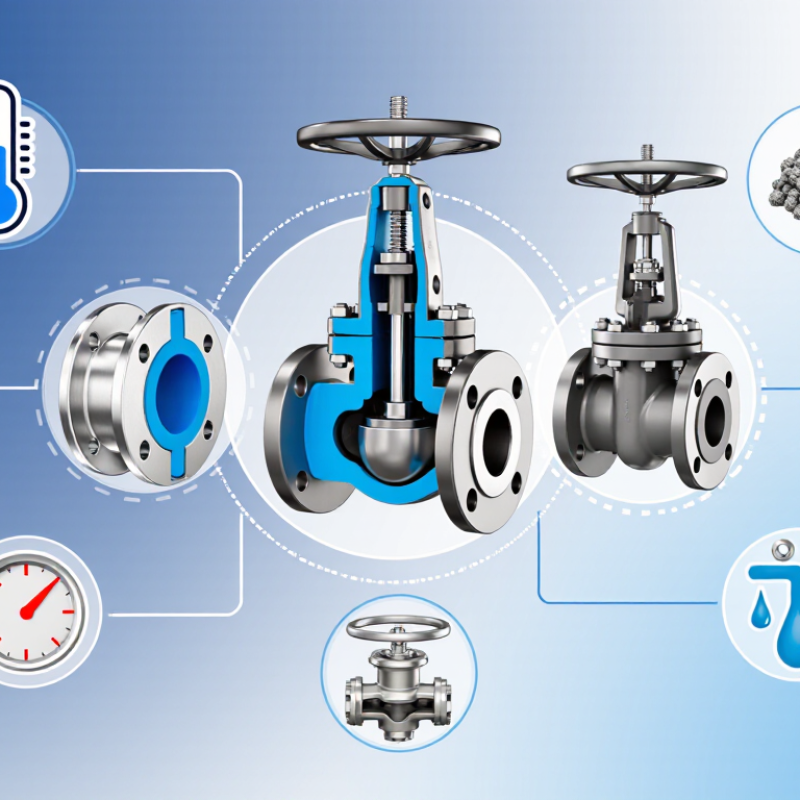
How Gate Valve Seats Function and Why Their Design Matters
Gate valve seats control how tightly the gate closes and how reliably the valve isolates flow. They create the sealing surface between the gate and the valve body. When the handwheel turns, the gate moves vertically while the seats guide its final contact. Small gaps can cause leakage, pressure loss, or difficult maintenance. Fit matters. Surface finish matters too.
Common designs include resilient seats, metal seats, wedge seats, and parallel seats. Resilient seats use an elastic insert to absorb minor surface irregularities. They often perform well with clean liquids and moderate temperatures. Metal seats tolerate heat, pressure, and abrasive particles more effectively. However, they demand accurate machining and careful alignment. Wedge seats increase contact force as the gate closes, while parallel seats depend more on precise positioning and spring or pressure-assisted contact.
Seat design also affects torque, wear, and service life. A soft insert may seal impressively during testing but deteriorate under heat, chemicals, or repeated cycling. A metal seat may survive harsh service yet leak slightly if particles scratch its surfaces. Field inspections should examine scoring, deposits, uneven contact marks, and stem operating effort. Designers should match the seat material to temperature, fluid cleanliness, pressure, and cycling frequency. This matching process is not always perfect. Operating conditions can change, and an initially correct choice may need reconsideration.
Resilient-Seated Gate Valves: Materials, Benefits, and Limits
Resilient-seated gate valves use elastomeric materials against a metal body or wedge. Common choices include EPDM, NBR, and PTFE-based compounds. EPDM suits potable water and many mild chemicals. NBR handles oil exposure better, but its temperature range is narrower. PTFE offers strong chemical resistance, although it can deform under sustained pressure.
The water sector needs dependable isolation. The 2024 UN World Water Development Report states that 2.2 billion people still lack safely managed drinking water. The U.S. EPA also estimates household leaks waste nearly one trillion gallons annually in the United States. These figures make low-leakage valve design more than a maintenance preference. Resilient seats provide tight shutoff at relatively low operating torque. They also tolerate minor body imperfections better than metal seats.
Limits appear in harsh service. Abrasive sand can score the elastomer. High temperatures may cause softening, hardening, or compression set. Disinfectants and hydrocarbons can also attack unsuitable compounds. Field inspection matters. ISO 5208 and API 598 provide leakage-testing frameworks, but testing cannot predict every aging mechanism. A valve may pass factory testing and still fail after repeated thermal cycles. That uncomfortable gap deserves attention. Material selection should match fluid chemistry, temperature, pressure, installation depth, and operating frequency—not only the purchase price.
Metal-Seated Gate Valves: Designs for Heat and Abrasion
In 2026, metal-seated gate valves remain practical for severe heat and abrasive media. Their seats use hardened alloys, usually with replaceable rings or integral hardfacing. This design tolerates hot solids, scale, and repeated cycling better than soft seats. However, it can leak slightly when particles damage the contact surfaces.
The energy stakes are substantial. The International Energy Agency reported that industry consumed about 37% of global final energy in 2022. A sticking valve can increase pumping demand, disrupt isolation, and extend maintenance downtime. Grand View Research valued the global industrial valves market at approximately USD 78.4 billion in 2023. That figure reflects broad demand, not metal-seated performance alone.
Field inspection should focus on seat scoring, stem alignment, and packing condition. A thin line of erosion near the downstream seat is an early warning. Tungsten-carbide hardfacing may improve abrasion resistance, but it does not remove thermal expansion problems. Designers should verify pressure-temperature ratings under API 600 or API 6D. Testing should follow ISO 5208 leakage procedures.
The compromise is easy to underestimate. Metal seats are not automatically maintenance-free. They often need stronger closing force and cleaner installation practices. In dusty service, a small particle can prevent full closure. That detail deserves more attention.
Top Types of Gate Valve Seats in 2026: Metal-Seated Designs for Heat and Abrasion
Typical upper service-temperature capability and relative abrasion resistance of commonly used gate-valve seat designs. Metal-seated and hardfaced designs are generally selected for high-temperature, erosive, or particle-laden services.
Ratings are indicative engineering references rather than universal limits. Actual performance depends on valve construction, pressure class, clearance, fluid chemistry, thermal cycling, and the selected hardfacing alloy. Abrasion resistance is shown on a relative 1–5 scale, where 5 represents the highest resistance.
How to Select and Maintain a Gate Valve Seat in 2026
Top Types of Gate Valve Seats in 2026?
How to Select and Maintain a Gate Valve Seat in 2026
Gate valve seats commonly use resilient materials, metal surfaces, or replaceable seat rings. Resilient seats can provide tight shutoff in clean, moderate-temperature service. Metal seats often suit hotter conditions or fluids carrying particles, though some leakage may occur. Check the valve’s temperature and pressure limits, fluid compatibility, and required shutoff performance before choosing. A seat that works in water may swell or wear quickly in another fluid. Real operating conditions can differ from a tidy specification sheet.
Tips: Look for scoring, deposits, or uneven contact during inspection. A thin smear of compatible lubricant may help some designs, but never assume every seat needs it. Follow the valve maker’s maintenance instructions.
Before servicing, isolate and depressurize the line according to site procedures. Open the valve fully when practical; this can reduce seat damage from scraping during operation. Avoid forcing a stiff handwheel, since excess torque can distort components or hide a developing fault. Clean accessible surfaces with non-damaging tools, then check alignment and sealing contact. Record leakage, cycle count, and service conditions. I have seen maintenance notes omit the fluid temperature; that small gap can make wear patterns harder to explain. Replace damaged seats with compatible parts, and verify shutoff after reassembly.
 English
  Français