
Top Plate Filter Manufacturers for Global Buyers
Choosing a Plate Filter manufacturer is not simply a matter of comparing prices or browsing product photos. Global buyers need equipment that fits their process, operating conditions, and maintenance capabilities. Small details matter. Plate dimensions, frame materials, gasket design, operating pressure, and filter-cloth compatibility can all affect performance. A polished catalog cannot show how a unit will behave during a long production shift. Request technical drawings, material specifications, test information, and practical guidance on installation and maintenance.
This guide to top Plate Filter manufacturers helps buyers compare suppliers using evidence rather than broad claims. It considers product range, customization, quality controls, communication, and access to replacement parts. Buyers should also clarify expected flow rates, solids characteristics, cleaning routines, and local service needs before requesting quotations. There is no universal best. A supplier suited to one plant may be a poor fit for another. Some specifications may look comparable on paper, yet differ in construction or testing; ask manufacturers to explain those differences clearly. Where possible, review documented performance data and speak with references whose applications resemble your own. The aim is not to promise a flawless purchase. It is to help procurement teams ask sharper questions, identify uncertainties early, and select a manufacturer whose capabilities match the real demands of their operation.
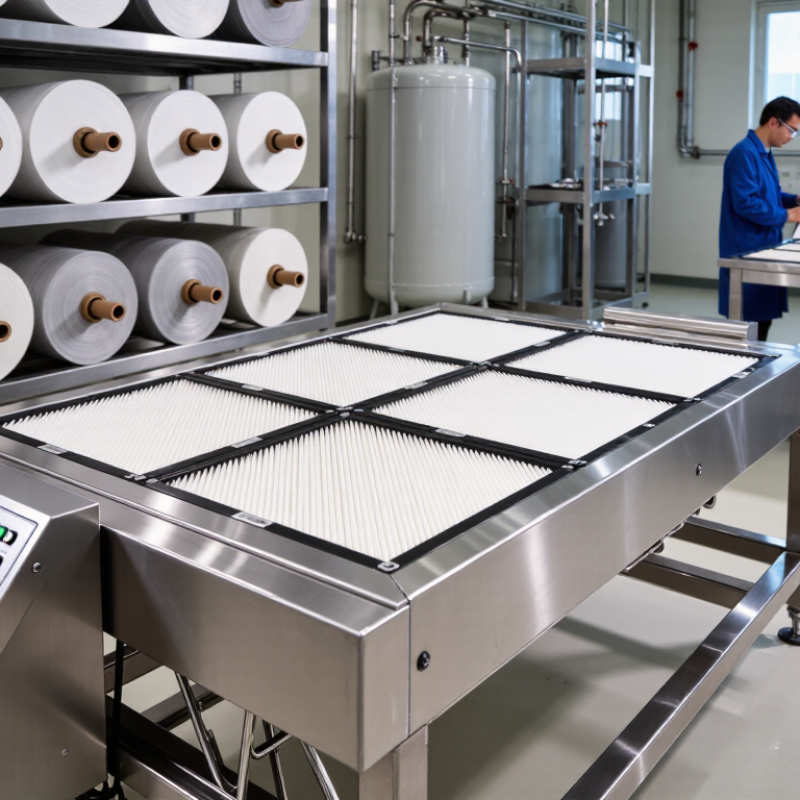
What Plate Filters Are and How They Work
A plate filter separates suspended solids from liquid by passing a mixture through filter media held between rigid plates. In many industrial systems, the plates are clamped together to form sealed chambers. Filter cloth covers each plate, while small drainage channels guide the clarified liquid toward an outlet. Simple in principle.
During operation, a pump feeds slurry into the chambers. Pressure pushes liquid through the cloth, while solid particles collect on its surface and gradually form a filter cake. The liquid, called filtrate, leaves through the plate channels. As the cake thickens, flow may slow, so operators monitor pressure and cycle time rather than relying on appearance alone.
When filtration ends, the plates separate and the cake is removed. It may feel damp or crumbly, depending on the material, pressure, cloth, and cycle settings. In practice, the first cycle is not always ideal; a cake can be uneven if the feed contains mixed particle sizes or the cloth is poorly seated. That detail matters. Selecting a plate filter requires checking the slurry’s properties, required throughput, and cleaning needs. A test run with the actual process material can reveal issues that equipment specifications alone may not show.
Key Types and Applications of Plate Filters
Plate filters use pressure to separate suspended solids from liquids, but plate design changes cake formation, moisture, and cycle time. Recessed-chamber plates suit high-solids slurries, including mineral processing and industrial wastewater. Membrane plates add a squeeze stage, which can reduce cake moisture when downstream handling matters. Plate-and-frame systems offer flexibility for batch clarification in food, beverage, and chemical processing. The right cloth matters, too. A fine weave may capture smaller particles but slow filtration and blind sooner.
The United Nations World Water Development Report 2017 estimated that over 80% of wastewater worldwide was discharged without treatment. That figure highlights a need for reliable solids separation, though a filter press alone cannot treat every contaminant.
Operators should test slurry samples and record feed concentration, filtrate clarity, and cake release before selecting plate size. Small trials reveal awkward details.
In wastewater plants, plates may dewater biological or chemical sludge before transport. In mining, they help recover process water and produce manageable tailings cakes. Food processors may use filter plates to clarify liquids, but hygienic design and compatible media are essential. A drier cake is not always the best target. Longer cycles, cloth wear, and cleaning demands can outweigh the moisture gain.
How to Evaluate Plate Filter Manufacturers
Top Plate Filter Manufacturers for Global Buyers
How to Evaluate Plate Filter Manufacturers
When evaluating plate filter manufacturers, match their equipment to your actual slurry, not a generic capacity claim. Check filtration area, plate material, operating pressure, sealing design, and compatibility with your filter cloth. Ask for drawings and tolerances. A small mismatch can cause leaks or uneven cake formation. Small details matter.
Request evidence of quality controls, such as inspection records and pressure-test procedures. Ask how the manufacturer handles replacement plates, cloth, and technical support, including typical response times. If possible, review a sample or discuss a comparable process application. A polished specification sheet helps, but it cannot prove performance in your plant. Even experienced buyers can overlook maintenance access or the space needed to open the press.
Tips: Share your slurry’s temperature, solids content, and expected cycle time before requesting a quote. Ask what assumptions shaped the proposal, and have them stated in writing. Compare total operating needs, not just purchase price. No evaluation is perfect; revise your criteria when real process data challenges them.
Top Plate Filter Manufacturers for Global Buyers - How to Evaluate Plate Filter Manufacturers
| Evaluation Dimension | What to Assess | Evidence to Request | Why It Matters |
|---|---|---|---|
| Application and process fit | Experience with the process type, slurry characteristics, required cake dryness, filtration cycle, and operating conditions. | Relevant project references, process questionnaires, and a written list of design assumptions. | A filter press must be selected for the feed and operating requirements; equipment capacity alone does not establish suitability. |
| Filtration design and sizing | Filter area, chamber volume, plate size, feed pressure, cycle time, and allowance for future capacity changes. | Technical proposal showing calculations, equipment configuration, and stated design limits. | Transparent sizing helps buyers compare proposals on a consistent basis and identify hidden assumptions. |
| Plate and cloth compatibility | Plate material, plate design, cloth construction, sealing arrangement, and compatibility with process temperature and chemistry. | Material specifications, chemical-resistance information, and recommended cloth details for the application. | Compatibility affects filtration performance, service life, leakage risk, and maintenance frequency. |
| Automation and safety | Control system, interlocks, guarding, emergency stops, operating modes, and integration with the buyer’s plant. | Control description, safety documentation, electrical drawings, and an interface list. | Clear safety and integration requirements reduce installation uncertainty and support reliable operation. |
| Quality management | Documented quality controls for design, materials, fabrication, assembly, inspection, and testing. | Quality-management documentation, inspection plans, material records, and available test reports. | Documented controls make manufacturing consistency and equipment traceability easier to evaluate. |
| Testing and acceptance | Factory inspection scope, functional tests, performance-test conditions, and acceptance criteria. | A proposed inspection and test plan with measurable criteria agreed before order placement. | Defined tests help confirm that the supplied equipment matches the approved specification. |
| Installation and commissioning | Installation guidance, commissioning responsibilities, operator training, and availability of technical support. | Service scope, commissioning schedule, training outline, and required site preparations. | Well-defined support helps coordinate delivery, startup, and knowledge transfer to operating staff. |
| Spare parts and serviceability | Availability of plates, cloths, seals, hydraulic components, and other wear or replacement parts. | Recommended spare-parts list, parts identification method, lead-time estimates, and maintenance instructions. | Parts planning can reduce avoidable downtime and make ongoing maintenance more predictable. |
| Export and project documentation | Ability to prepare documentation and packing information required for the destination, project, and installation. | Sample document index, packing details, shipping scope, and a clear list of buyer and supplier responsibilities. | Agreeing documentation and delivery responsibilities early can prevent avoidable project delays. |
| Commercial clarity | Scope boundaries, exclusions, delivery terms, warranty conditions, payment milestones, and change-control process. | Itemized quotation, written terms, delivery schedule, and a list of included and excluded services. | Comparable, clearly scoped offers make it easier to assess total project cost and contractual risk. |
Leading Plate Filter Manufacturers for Global Buyers
Leading plate filter manufacturers serve global buyers by matching equipment design to slurry behavior, not merely quoting a frame size. Experienced technical teams ask about solids concentration, particle size, temperature, and target cake moisture. They should explain plate materials, cloth weave, operating pressure, and whether recessed-chamber or membrane plates suit the application. Details matter. Request a documented trial using representative feed, with cycle time, filtrate clarity, and cake release recorded. A polished brochure cannot replace this evidence.
Reliable suppliers also make service practical across borders. Check spare-part availability, installation guidance, operator training, and response times in local working hours. Ask how dimensions, seals, and hydraulic components are inspected before shipment, and request drawings and quality records. For food, chemical, mineral, or wastewater applications, confirm materials and certifications against process needs and applicable market requirements. Do not assume one standard configuration fits every plant. It often doesn’t. Compare cloth replacement, wash-water use, energy demand, and downtime alongside purchase price. Projected throughput can change sharply when feed varies seasonally. A manufacturer willing to discuss those limits and adjust a proposal after testing gives buyers a more dependable basis for procurement.
Sourcing and Comparing Suppliers Across Markets
Comparing plate filter manufacturers across markets starts with a clear specification. Record plate dimensions, filtration area, material, operating pressure, and expected cycle time. A supplier’s quoted capacity means little without the conditions behind it. Ask for drawings and a sample inspection report, not just a product sheet. Small details matter.
Regional suppliers may differ in lead times, spare-part availability, and shipping costs. Request quotes using the same technical scope, delivery terms, and packaging requirements. Then compare what is included: cloth, seals, installation guidance, and commissioning support can change the real cost. Check whether the supplier can explain how plate design affects cake release and cleaning. Ask for references from applications similar to yours, while respecting confidentiality. Verify stated quality controls through records or a factory review where practical.
A spreadsheet helps, but it can hide uncertainty. A low price may reflect a different duty cycle, and a polished brochure cannot prove consistent production. Request a pilot plate or inspect a recent production unit when feasible. Compare response quality, too: precise answers to pressure limits and tolerances are more useful than quick promises. Not every buyer needs the same level of testing. The right comparison depends on process risk, maintenance capacity, and how costly an unplanned shutdown would be.
English
Français 