 English
 Français

Top 10 TNC Cable Assembly Suppliers for Global Buyers
Choosing a Tnc Cable Assembly supplier is not just a price comparison. Cable type, connector fit, shielding, and operating conditions all affect performance. A mismatch can show up as intermittent signal loss, poor retention, or extra work during installation. Small details matter.
Global buyers also need to assess how suppliers manage quality and delivery. Ask for clear drawings, material specifications, inspection records, and sample-testing options. Check whether the supplier can explain impedance requirements, frequency range, and environmental limits in practical terms. Vague answers deserve a closer look. So do unusually broad claims.
This guide introduces ten TNC cable assembly suppliers for buyers comparing capabilities across regions. It focuses on useful selection factors, including product range, customization, manufacturing experience, communication, and support after delivery. Supplier information can change, and a polished website is not proof of consistent production. Verify important details directly, especially lead times, test methods, and the exact assembly configuration. A sample may reveal issues that a catalog cannot. That is worth remembering.
No single supplier suits every project. A laboratory setup, outdoor radio link, and industrial installation may require different cable materials and connector features. Buyers should match requirements to evidence, not assumptions. The comparison ahead is a starting point, not a substitute for technical review. Some decisions remain uncertain until parts are tested in the intended system.
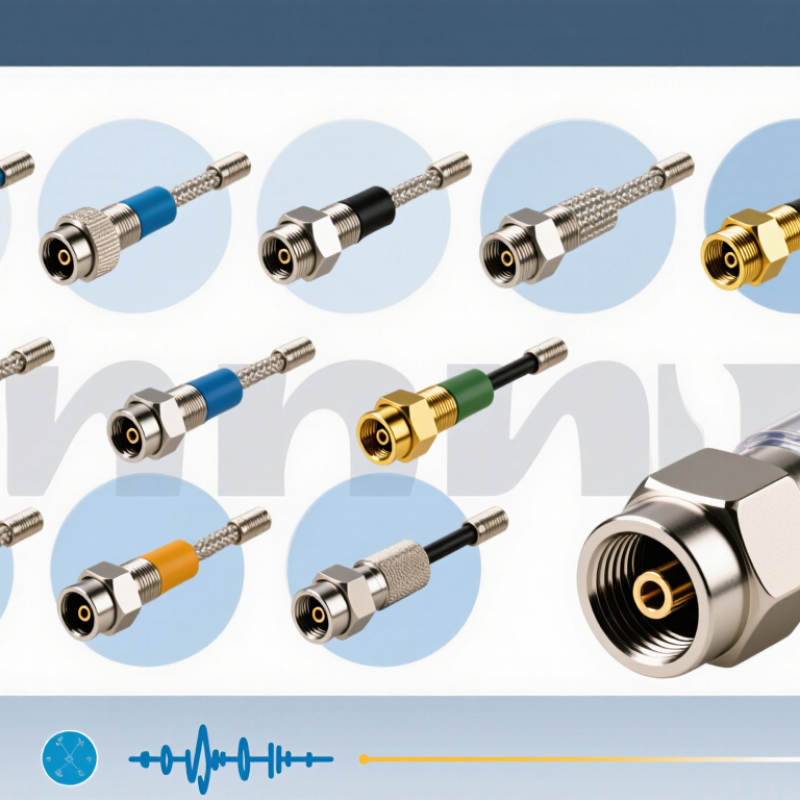
Understanding TNC Cable Assemblies and Their Applications
TNC cable assemblies connect radio-frequency equipment through a threaded interface. The coupling resists loosening better than a push-on connection when equipment experiences vibration. Most are designed for 50-ohm systems, but frequency range and power handling depend on the connector, cable, and assembly quality. Small details matter.
Typical applications include outdoor antennas, wireless infrastructure, test instruments, vehicle communications, and telemetry systems. Installers may route a cable through a crowded cabinet or along a rooftop mast, where bend radius, weather sealing, and strain relief affect performance. A poor crimp or loose connector can increase signal loss. The assembly is only as reliable as its weakest interface.
Demand for dependable RF links is growing. Ericsson’s June 2024 Mobility Report recorded a 25% year-over-year rise in global mobile network data traffic in the first quarter of 2024. Grand View Research estimated the global coaxial cable market at USD 32.66 billion in 2023, with a projected 6.3% compound annual growth rate through 2030. These figures describe broad markets, not TNC assemblies alone. Buyers should still verify insertion loss, shielding, operating frequency, and environmental ratings against the actual installation. Specifications can look reassuring on paper, yet field routing is often messier.
Top 10 TNC Cable Assembly Suppliers for Global Buyers - Understanding TNC Cable Assemblies and Their Applications
| Supplier Segment | Typical TNC Cable Assembly Offering | Common Cable Types | Typical Applications | What Buyers Should Verify |
|---|---|---|---|---|
| Custom RF cable assembly manufacturers | Made-to-order coaxial assemblies with TNC connectors, specified by cable, length, connector gender, and termination. | Common coaxial types include RG-58, RG-174, RG-316, and RG-213. | RF equipment interconnections, antennas, and communications systems. | Confirm the exact cable construction, connector interface, assembly drawing, and electrical test requirements. |
| RF connector specialists | TNC plug and jack terminations, cable-to-connector combinations, and interface-specific assemblies. | Coaxial cables selected to suit the connector’s termination range and the intended installation. | Equipment ports, antenna feeds, and RF test connections. | Check whether the interface is standard TNC or reverse-polarity TNC; these are distinct interfaces. |
| Microwave and high-frequency interconnect suppliers | Assemblies selected for defined frequency, insertion-loss, and return-loss requirements. | Low-loss or phase-stable coaxial cable options, subject to the supplier’s specifications. | RF and microwave instruments, communications equipment, and laboratory setups. | Request frequency-dependent performance data for the complete assembly, not just the connector. |
| Test and measurement cable assemblers | Bench and field test leads with TNC interfaces and specified cable lengths. | Flexible coaxial cable suited to the required routing and measurement setup. | RF testing, equipment verification, and maintenance work. | Confirm connector condition, repeatability needs, cable handling limits, and test documentation. |
| Antenna and wireless system integrators | TNC-ended coaxial leads incorporated into antenna or radio system configurations. | Outdoor or indoor coaxial cable chosen for the installation environment. | Wireless links, antennas, radio equipment, and telemetry installations. | Check system impedance, cable loss, routing, weather exposure, and antenna-side connector compatibility. |
| Telecommunications infrastructure suppliers | Standardized TNC cable assemblies for compatible RF equipment and site installations. | Coaxial cable selected for run length, signal requirements, and site conditions. | Radio infrastructure, network equipment, and communications cabinets. | Verify the required connector gender, cable length, installation method, and applicable project specifications. |
| Aerospace and defense cable assembly suppliers | Assemblies built to customer drawings and project-specific quality or traceability requirements. | Specified coaxial cable constructions appropriate to the design and operating environment. | Avionics, defense communications, and other controlled engineering programs where specified. | Confirm required approvals, material records, inspection plans, environmental limits, and change-control processes. |
| Industrial wireless cable suppliers | Durable TNC cable assemblies for equipment exposed to routine handling or industrial conditions. | Flexible or jacketed coaxial cable selected for the installation environment. | Industrial telemetry, remote monitoring, and wireless equipment connections. | Review temperature range, abrasion and chemical exposure, bend radius, and strain-relief design. |
| Coaxial cable harness manufacturers | Single or multi-branch coaxial harnesses that may include TNC terminations as specified. | One or more coaxial cable types selected for the harness design. | Equipment interconnects, control systems, and multi-antenna installations. | Check the wiring or harness drawing, branch lengths, labeling, routing, and continuity test method. |
| Value-added distributors and sourcing partners | Sourced or configured TNC assemblies, with availability depending on the product and supplier network. | Standard cable options offered by the selected manufacturer or assembly source. | Replacement parts, prototypes, maintenance, and general RF procurement. | Validate manufacturer specifications, product traceability, stock status, lead time, and substitution policy. |
TNC is a threaded coaxial connector interface commonly used in 50-ohm RF systems. Suitability depends on the complete assembly’s connector, cable, frequency, environmental, and installation specifications. Supplier segments are categories, not company rankings.